
Pruning
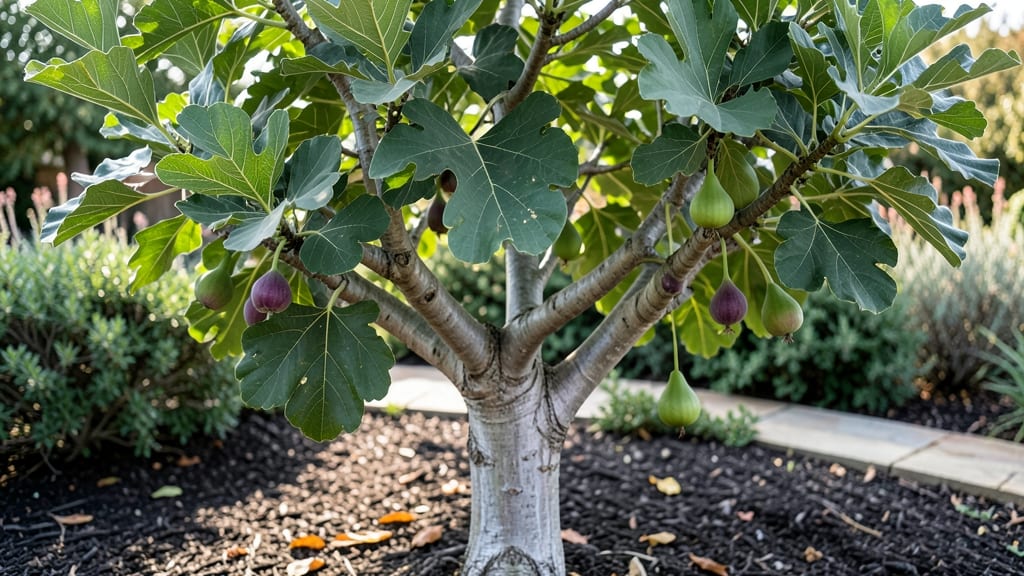
Three simple cuts can turn your fig tree into a year-round showstopper—whether you want a dramatic espalier, a tidy bush, or a classic tree shape. ✂️ I’ve shaped figs into everything from living room centerpieces to privacy screens, and the secret isn’t complicated: timing, clean cuts, and knowing when to stop.
Most gardeners over-prune, leaving bare branches and fewer fruits, but this method keeps your tree lush and productive.
The right tools and a sharp eye make all the difference. You’ll need pruning shears for small branches, loppers for thicker stems, and a clean cutting surface (rubbing alcohol works) to prevent disease.
Fig trees respond best to pruning in late winter or early spring, just as buds begin to swell—but if you’re shaping for aesthetics, you can tweak growth year-round. The key is to remove no more than 25% of the tree’s canopy at once, or you’ll shock it.
By summer, your shaped fig tree will reward you with denser foliage, better airflow, and even more fruit. A well-trained espalier against a fence becomes a living art piece, while a bush form spills over pots with cascading leaves.
The best part? Figs handle pruning better than most fruit trees—just avoid cutting into old wood, or you’ll sacrifice next year’s harvest. Think of it as sculpting with sunlight and sap.
Whether you’re working with a dwarf variety in a container or a mature tree in the yard, these techniques adapt easily. Start small—pick one shape to master first—and watch how quickly your fig transforms from an afterthought into the garden’s star.
Next up: choosing the perfect form for your space and climate.
📚 In This Guide
- What you need
- Instructions
- Tips and common mistakes
- Wrapping up and next steps
What you need
- ● Pruning shears: Bypass pruners (sharp, 6–8" blades) for clean cuts on small branches.
- ● Loppers: 1 pair (8–12" blades) for thicker branches (½–1.5" diameter).
- ● Pruning saw: 1 (for branches >1.5" thick; fine-tooth blade for clean cuts).
- ● Gloves: Heavy-duty, cut-resistant (e.g., leather or synthetic mesh).
- ● Disinfectant: 70% isopropyl alcohol or 10% bleach solution (to sterilize tools between cuts).
- ● Rope or twine: 50–100 ft (for temporary support if shaping large branches).
- ○ Marking tape or paint: (Optional) to flag branches for removal.
- ● Timing: Prune in late winter/early spring (before new growth) or summer (after fruiting). Avoid pruning in fall or extreme heat.
- ● Weather: Choose a dry, overcast day to reduce stress on the tree.
- ● Safety gear: Safety glasses (to protect from debris) and long sleeves/pants.
- ● Tree health check: Inspect for pests/disease (e.g., root rot, fig rust) before pruning.
- ● ✨ Sharpen tools first! Dull blades tear bark, inviting disease. Use a file or sharpening stone.
- ● 🌡️ Work in layers: Remove ⅓ of the canopy at a time to avoid shocking the tree.
- ● 🎯 Sterilize between trees: If you have multiple fig trees, clean tools to prevent cross-contamination.
How to sculpt your fig tree into year-round beauty
Three simple cuts will transform your fig tree from wild to stunning—no fancy tools required!
✂️ Step 1: Prune for Structure in Late Winter
Wait until after your last frost when the tree is still dormant but buds are swelling. This is the perfect time to shape your fig tree's framework. Start by removing any dead, diseased, or crossing branches at the base—these compete for energy and create weak entry points for pests. Use clean, sharp pruners to make 45-degree cuts just above outward-facing buds.
Here's the thing—fig trees grow fast, and you'll see new branches emerge from those buds within weeks. Focus on opening the center of the tree to let light reach all leaves. If you're unsure which branches to keep, imagine sunlight streaming through—every leaf should get equal access. I always step back after each cut to visualize the shape from all sides.
☀️ Step 2: Summer Light Pruning for Airflow
Once your fig tree is in full leaf, mid-summer is your second shaping window. This isn't about heavy cutting—just strategic trimming to encourage airflow and prevent fungal issues. Remove any branches growing straight inward or rubbing against others. You'll know you're doing it right when you see more sunlight reaching the center of the tree.
This is also when you shape individual branches. If a branch grows too long or leggy, cut it back by one-third to encourage bushier growth. Watch for new shoots forming at the cut—these will become your future fruit-bearing branches. Real talk: I used to skip this step, and my trees would get these ugly bare spots where branches crowded out sunlight.
✂️ Step 3: Final Shape and Fruit Stimulation in Early Spring
When you see new growth beginning (usually 4-6 weeks before last frost), do your final shaping. This is where you refine the silhouette you created in winter. Focus on maintaining an open center while encouraging outward growth. Cut back any branches that grew too aggressively over winter by one-third to one-half—this stimulates bushier, fruitier growth.
Here's what I do: I make my final cuts just as the first leaves appear. This timing ensures the tree has energy to heal while still having time to set fruit before summer heat arrives. After pruning, give the tree a deep watering to help it recover. You'll see new shoots emerge within 2-3 weeks, and those will be your most productive branches for fruit.
🌿 Step 4: Ongoing Maintenance Through the Seasons
Your work isn't done after these three cuts! Throughout the growing season, keep an eye out for suckers (those vigorous shoots at the base) and remove them immediately—they drain energy from your main tree. In late summer, after your figs have formed, do a light deadheading of spent fruit stems to redirect energy to next year's crop.
This is the moment that matters: every time you prune, you're not just shaping a tree—you're training it to grow stronger and produce more fruit. I promise, after your first full cycle of these cuts, you'll notice how much more open and healthy your fig tree looks. Plus, those figs will be bigger and sweeter because the tree isn't wasting energy on weak growth.
Tips & tricks for perfect fig tree sculpting
These game-changing tips will help you transform your fig tree into a stunning year-round beauty with confidence.
Timing is Everything: The late winter pruning window—after your last frost but before buds swell—is your golden opportunity. I learned this the hard way after pruning too early and seeing new growth get damaged by a surprise frost. Check your local frost dates and mark your calendar! This precise timing ensures your tree has energy to heal before spring growth begins.
Visualize the Sunlight: Before making any cuts, step back and look at your tree from all angles. Imagine sunlight streaming through the center—this is your goal. In Step 1, focus on removing branches that block this light. I always sketch a rough outline of my ideal shape on paper first. This prevents over-pruning and helps you visualize the transformation before you begin.
Cutting Technique Matters: Those 45-degree cuts in Step 1 aren't just for show—they direct growth away from the trunk. Make sure your pruners are sharp (dull blades crush stems) and cut just above an outward-facing bud. This simple technique ensures new growth emerges in the direction you want. I always sterilize my pruners with rubbing alcohol between cuts to prevent spreading disease.
Post-Pruning Care: After your final spring cuts (Step 3), don't forget the deep watering! This helps the tree recover and establishes new growth. I've found that adding a layer of mulch around the base helps retain moisture and keeps roots cool. Watch for those new shoots emerging within 2-3 weeks—they'll be your most productive branches for fruit production.
Pro Tips for Fig Tree Shape
- These game-changing tips will help you transform your fig tree into a stunning year-round beauty with confidence.
- Timing is Everything: The late winter pruning window—after your last frost but before buds swell—is your golden opportunity.
- Visualize the Sunlight: Before making any cuts, step back and look at your tree from all angles.
Frequently asked questions
Got questions about shaping your fig tree like a pro? Here are answers to the most common ones—so you can keep your tree healthy, productive, and stunning year-round!
How often should I prune my fig tree to maintain its shape?
Prune your fig tree three times a year for the best results: late winter (dormant season), early spring (before leafing), and after harvest (fall). Light trims between harvests encourage new growth while keeping the tree tidy. Avoid heavy pruning during active fruit production—it can stress the tree!
Can I shape my fig tree without cutting branches? Are there alternatives?
While pruning is the most effective way to shape a fig tree, you can guide growth naturally by:
- Training young branches with stakes or trellises.
- Using pruning paste on cuts to prevent disease.
- Selective thinning of dense foliage (instead of heavy cuts) to improve airflow.
However, strategic cuts are still key for long-term shape control and fruit yield.
What should I do if my fig tree’s branches start dying after pruning?
If you notice blackened, mushy, or wilting branches post-prune, act fast:
- Check for fungal/bacterial infections (common after wet cuts).
- Trim affected areas 6 inches below the damage with sterilized tools.
- Apply copper fungicide or neem oil to prevent spread.
- Avoid pruning during rainy seasons—wait for dry weather.
Most figs recover quickly if you catch it early!
Is it too late to shape my fig tree if I missed the winter pruning window?
Not at all! Fig trees are flexible—you can prune anytime except during extreme heat or frost. Focus on:
- Removing dead/diseased wood immediately.
- Light shaping in early spring (before buds swell).
- Avoid heavy cuts in summer—it can delay next year’s fruit.
Just adjust your approach based on the season!
Will pruning for shape reduce my fig harvest?
No—done correctly, strategic pruning increases fruit quality and yield! By removing:
- Overcrowded branches (boosts sunlight penetration).
- Suckers at the base (directs energy to fruit-bearing wood).
- Dead or crossing limbs (prevents disease).
You’ll get bigger, sweeter figs with better air circulation. Just avoid over-pruning—never remove more than 25% of the canopy in one session.
Wrapping up and next steps
Transforming your fig tree into a stunning, year-round masterpiece takes just three simple cuts—and the results are pure magic! 🌿✨ From shaping its natural beauty to boosting fruit production, these strategic pruning techniques ensure your tree thrives with grace and efficiency.
Whether you're a seasoned gardener or just starting, this method makes maintenance effortless and rewarding.
Now that you’re armed with the know-how, grab your pruners and get to work! Start with a fresh look this season, and watch your fig tree flourish. Happy pruning—and may your harvest be bountiful! 🍇🌟