
How Tall Do Grapefruit Trees Grow: Mature Heights by Variety and Care Tips

How To

How Tall Do Grapefruit Trees Grow: Mature Heights by Variety and Care Tips

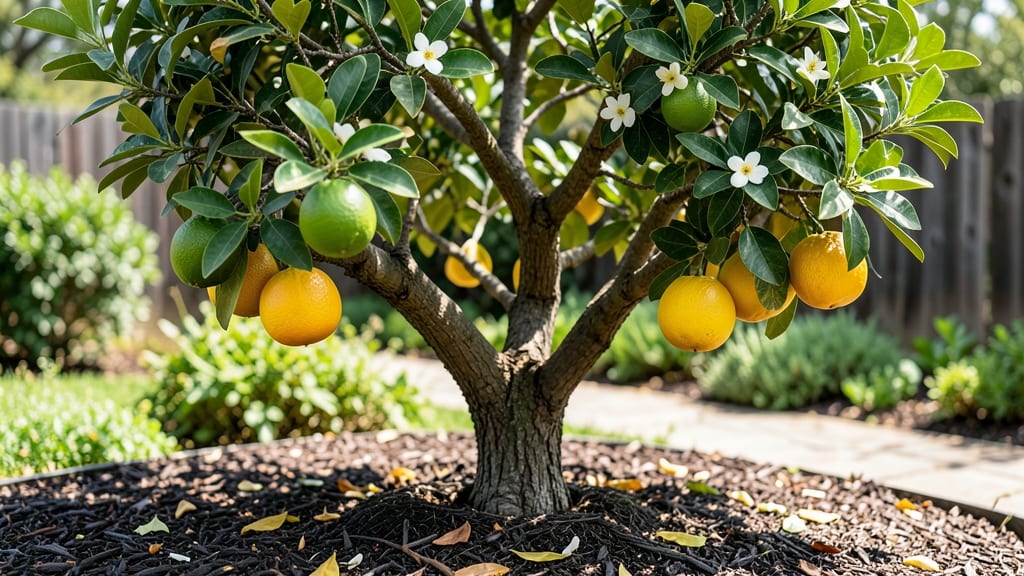
Growing a grapefruit tree 🍊 means planning for a tall citrus centerpiece—standard varieties can reach 20 to 30 feet at maturity, while dwarf types stay around 8 to 12 feet.

Wondering if your backyard can accommodate one? The height of these tropical beauties varies dramatically by variety—some stay compact enough for containers, while others tower like small trees.

Whether you’re dreaming of a backyard orchard or a patio-sized tree, the right variety and care practices can shape its growth. Below, I’ll break down how tall grapefruit trees grow by type, plus tips to control their size and keep them thriving.

You’ll also discover which varieties suit small spaces, how pruning affects height, and the secrets to faster (or slower) growth—so you can grow the perfect grapefruit tree for your garden.

Grapefruit Tree Height Range
10 ftto30 ft
0 ft 3 ft 6 ft 9 ft 12 ft
🌱 Tall Tree

Grapefruit tree mature heights by popular variety: compact vs. tall options

Grapefruit trees (Citrus × paradisi) are stunning tropical additions to any garden, but their mature heights can vary dramatically depending on the variety and rootstock. Some varieties stay under 10 feet, perfect for containers, while others reach towering heights of 30 feet or more.

Understanding these differences helps you choose the right grapefruit tree for your space and care style.

The rootstock plays a critical role in determining height—dwarf varieties grafted onto dwarfing rootstock like Swingle citrumelo stay compact, while standard varieties on seedling rootstock grow much taller. Even within the same variety, a tree's height can shift based on pruning habits, soil quality, and sunlight exposure.

Below, I’ve compared 10 popular grapefruit varieties, highlighting their mature heights and ideal growing conditions. Whether you’re dreaming of a backyard citrus grove or a container-friendly patio tree, this guide helps you pick the perfect fit.

📌 Pro Tip: Always check the rootstock when purchasing—this determines whether your grapefruit tree will stay small or grow tall.

How care practices influence grapefruit tree height and growth rate

Your grapefruit tree's height and growth rate aren't just about genetics—they're heavily influenced by how you care for it. While standard varieties can reach 20-30 feet, strategic pruning and soil management can keep them more manageable.

I've learned that dwarf varieties (like 'Mexican' grapefruit) stay under 8-12 feet when grown on specific rootstock, but even they need proper care to thrive.

One of the biggest factors is pruning technique. I always prune in late winter or early spring to shape my tree and control its height. Removing suckers and water sprouts encourages a bushier form, while selective heading back of branches keeps the canopy compact.

This isn't just about height—it's also about air circulation and fruit quality.

Soil conditions play a crucial role too. Grapefruit trees prefer well-draining, slightly acidic soil (pH 6.0-7.0). I've found that amending clay soil with compost and sand creates ideal conditions.

Poor soil drainage can stunt growth or even kill your tree, while rich, organic soil promotes faster growth rates and healthier foliage.

⚠️ callout tip 🌱 Did You Know? Grapefruit trees grow 3-5 feet in their first year but can add up to 2 feet annually with ideal care. Standard varieties reach 20-30 feet at maturity, while dwarf varieties max out at 8-12 feet.

The key to controlling height? Prune annually and use dwarfing rootstock for compact growth. 🪴

Watering schedules directly impact growth rates. Young trees need daily watering during their first year, while established trees thrive on deep weekly watering. I always water in the morning to prevent fungal diseases.

Overwatering can cause root rot, while underwatering stresses the tree and slows growth. A mulch layer helps retain moisture and regulate soil temperature.

Sunlight exposure is non-negotiable for grapefruit trees. They need 6-8+ hours of direct sun daily. In my experience, partial shade can lead to leggy growth and smaller fruit. If you're growing in containers, place them in full sun locations and rotate occasionally for even growth.

Shade cloth can protect young trees from intense afternoon sun in hot climates.

Seasonal growth patterns also affect height. Trees grow most rapidly during spring and summer when temperatures are warm. I've noticed slower growth in fall and winter, especially in cooler climates.

To encourage bushier growth, I prune after the spring flush of new leaves. This timing promotes multiple branches rather than a single tall leader.

For smaller spaces, consider container growing with dwarf varieties. I've successfully grown 'Mexican' grapefruit in 15-gallon pots using a dwarfing rootstock. The key is regular pruning and balanced fertilization to maintain compact size. With proper care, you can enjoy homegrown grapefruits without sacrificing your backyard space! 🍊

★★★★★4.7(6 reviews)
Categories How To
Variety Mature Height (ft) Rootstock Type Best For Notes
Ruby Red 20–30 ft Seedling Large gardens Classic pink-red fruit; needs space
White Marsh 15–25 ft Seedling Backyards Sweet, pale yellow fruit; cold-hardy
Orlando 12–18 ft Dwarfing Urban gardens Early ripening; compact growth
Mexican 8–12 ft Dwarfing Containers Small fruit; thrives in pots
Oroblanco 10–15 ft Semi-dwarf Small yards Sweet-tart hybrid; cold-tolerant
Thompson 18–25 ft Seedling Rural properties Large fruit; needs pruning
Duncan 15–20 ft Seedling Backyards Thick skin; disease-resistant
Melogold 12–16 ft Semi-dwarf Small spaces Golden fruit; early producer
Star Ruby 18–22 ft Seedling Large landscapes Deep red color; needs pruning
Dwarf Grapefruit (grafted) 6–10 ft Swingle citrumelo Containers/patios Best for small spaces; needs winter protection