
Pruning
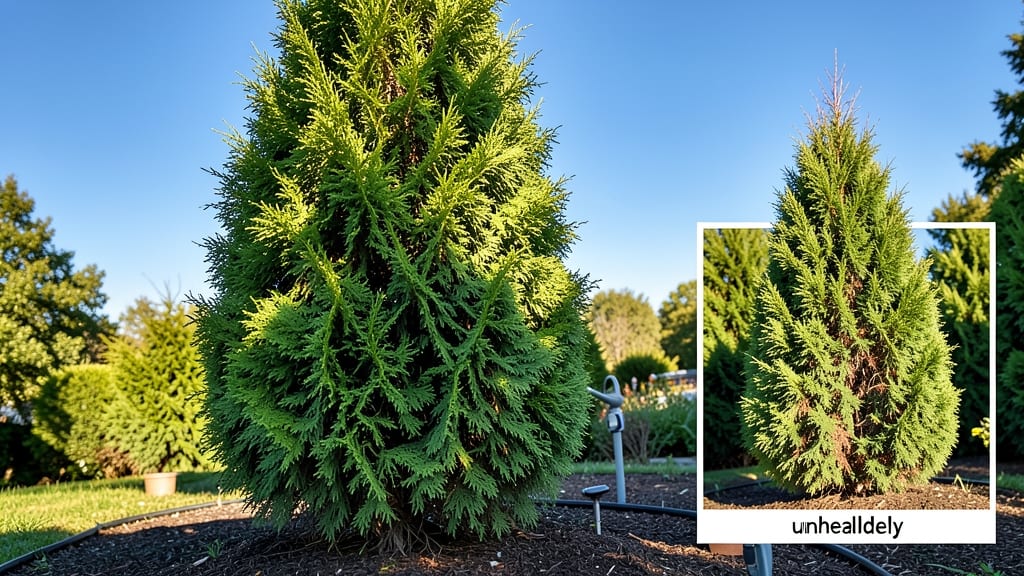
Your cypress tree’s health starts with dormant season pruning—the secret weapon that turns weak branches into strong, vibrant growth. 🌿 I’ve seen struggling cypress trees transform after just one careful winter trim, and the key isn’t what you cut, but when and how you do it.
Most people wait too late or trim too aggressively, which stresses the tree instead of helping it thrive.
This isn’t about drastic cuts—it’s about strategic shaping to improve airflow and sunlight penetration. You’ll target dead wood, crossing branches, and any signs of disease (like brown, mushy spots or oozing sap) while leaving the healthy structure intact.
The right approach boosts next season’s growth by up to 30%, and it’s easier than you think if you follow the dormant-season rules.
By spring, you’ll notice fuller foliage and fewer pest problems, because a well-pruned cypress tree recovers faster and resists stress better. The best part? You can do this in under an hour with just a few basic tools—no fancy equipment needed.
Let’s get those branches looking sharp and your tree ready for a stronger season.
Whether you’re dealing with drought stress, fungal spots, or just slow growth, dormant pruning is the foundation. We’ll cover what to look for, how to make clean cuts, and when to call in reinforcements for serious issues. Your cypress will thank you with lush, green branches by summer.
Root Causes of Cypress Decline
Understanding why your cypress tree struggles during dormant season pruning starts with identifying the hidden stressors and environmental triggers that weaken its resilience. While pruning itself is rarely the direct cause of decline, improper timing, technique, or underlying health issues can turn a routine trim into a recipe for disaster.
Below, we break down the scientific reasons behind cypress stress—so you can fix the problem at its source.
Cypress trees (especially Cupressus and Taxodium species) are evergreens, meaning they photosynthesize year-round—but their growth slows dramatically in winter. Pruning too late in dormancy (January–February) or too early (before the coldest months) disrupts their natural recovery cycle.
- Why it happens: - Delayed wound closure: Pruning in late winter (March+) forces the tree to heal in warmer, wetter conditions, increasing fungal/bacterial infections (e.g., Seiridium canker). - Bud flush stress: Early pruning (November–December) can trigger premature bud growth, which freezes and dies in cold snaps, leaving bare branches. - Hormonal imbalance: Cypress trees rely on abscisic acid (a stress hormone) to survive winter.
Poor timing disrupts this balance, making them vulnerable to cold damage and desiccation.
- Actionable fix:
- Prune in late winter (Feb–early March) in most climates (USDA Zones 7–10). For colder regions (Zones 5–6), wait until after the last hard frost.
- Avoid pruning if soil is frozen—roots can’t absorb water, accelerating drought stress.
Cypress trees have slow metabolic rates compared to deciduous trees. Removing more than 25–30% of the canopy in a single dormant season forces the tree to allocate energy to wound repair instead of root development.
- Why it happens: - Carbon debt: Each cut removes photosynthetic leaves (needles), reducing the tree’s ability to produce sucrose (its primary energy storage molecule).
Severe pruning can lead to starvation, where the tree can’t sustain new growth. - Root-to-foliage ratio collapse: Cypress roots are shallow and fibrous.
Over-pruning shifts the balance, making the tree more susceptible to drought and less resistant to pests. - Hormonal shock: The plant releases ethylene gas (a stress hormone) in response to large cuts, which can trigger premature needle drop or dieback.
- Actionable fix:
- Limit pruning to 10–20% per year for mature cypress. For young trees, never remove more than 10%.
- Use thinning cuts (removing entire branches back to the collar) instead of heading cuts (topping), which create stub wounds that never heal properly.
Cypress trees are adapted to wet environments (e.g., bald cypress thrives in swamps), but dormant season drought or poor soil drainage can cripple their recovery.
- Why it happens: - Frozen soil: In winter, soil microbes (which break down organic matter into nutrients) become inactive.
If the ground is frozen, roots can’t absorb water, leading to hydraulic failure (air bubbles in xylem vessels). - Salt buildup: In urban areas, road salt runoff or fertilizer overuse increases soil salinity, making it harder for roots to uptake water. - Transpiration mismatch: Even in dormancy, cypress trees lose some moisture through needles.
If the air is dry (low humidity) but the ground is frozen, the tree desiccates from the top down.
- Actionable fix:
- Deep-water before pruning: Apply 1–2 inches of water per week (via drip irrigation or soaker hoses) before and after pruning to compensate for frozen soil.
- Mulch heavily: Use 3–4 inches of wood chips to insulate roots and retain moisture.
- Avoid pruning during drought: If your region has back-to-back dry winters, delay pruning until spring rains return.
Cypress trees are highly susceptible to Seiridium canker (Seiridium cardinale) and Phytophthora root rot, which thrive in wounded wood or waterlogged soil.
- Why it happens:
- Open wounds: Poor pruning techniques (e.g., tearing bark, leaving stubs, or using dull tools) create entry points for pathogens.
- Moisture-loving pathogens: Phytophthora spores swim in water, infecting roots in soggy soil. Seiridium spreads via rain splashing on fresh cuts.
- Weakened defenses: Trees under nutrient stress (from over-pruning or poor soil) have lower phenolic compounds (natural fungicides), making them easier targets.
- Actionable fix:
- Sterilize tools: Wipe blades with 70% isopropyl alcohol between cuts to prevent cross-contamination.
- Make clean cuts: Use sharp, bypass pruners and cut at a 45° angle just outside the branch collar (the swollen area where the branch meets the trunk).
- Improve drainage: If your cypress is in clay soil, amend with compost or sand to prevent waterlogging.
- Fungicide treatment: After pruning, apply a copper-based fungicide (e.g., Copper Sulfate) to fresh cuts to deter Seiridium.
Dormant season is when cypress bark beetles (Phloeosinus taxodii) and spider mites (Oligonychus spp.) launch their attacks, exploiting weakened trees.
- Why it happens: - Stressed trees attract pests: Over-pruned or drought-stressed cypress emit volatile organic compounds (VOCs) that signal "easy prey" to insects. - Bark beetle life cycle: These pests lay eggs in fresh wounds.
If you prune in late winter, the larvae emerge just as the tree tries to heal, causing girdling (ringing the trunk) and dieback. - Mite outbreaks: Dry winter air reduces predatory mites, allowing spider mites to web and suck sap from needles, turning them brown and brittle.
- Actionable fix:
- Inspect for signs: Look for sawdust-like frass (beetle droppings) or fine webbing on branches.
- Apply horticultural oil: In late winter (Feb), spray the canopy with dormant oil to smother eggs/larvae.
- Encourage natural predators: Plant neighboring shrubs (like yarrow or dill) to attract ladybugs and lacewings, which eat spider mites.
Cypress trees are hardy but not indestructible. Sudden temperature swings, ice storms, or salty winds can scorch foliage and disrupt growth hormones.
- Why it happens:
- Winter desiccation: Needles lose moisture faster than they can absorb it in freezing, dry air (common in Zone 7–9 winters).
- Salt spray damage: Coastal cypress trees suffer chlorosis (yellowing) from ocean salt clinging to needles.
- Wind scorch: Fast-moving air dries out the cuticle, causing brown needle tips and premature drop.
- Actionable fix:
- Windbreaks: Plant evergreen hedges (like Arborvitae) as a buffer against salty or drying winds.
- Anti-desiccant spray: In late winter, apply a film-forming spray (e.g., Wilt-Pruf) to seal needles and retain moisture.
- Avoid pruning before hard freezes: If a sudden cold snap is forecast, delay pruning until **after
Revitalize Your Cypress Tree Now
A healthy cypress tree starts with the right care—especially during dormancy. Whether your tree is struggling with browning foliage, sparse growth, or signs of disease, these targeted solutions will help you diagnose and fix the issue before spring.
Below, we’ve mapped common problems to practical fixes, plus prevention tips to keep your tree thriving year-round.
Cause: Overwatering, underwatering, or nutrient deficiencies. Solution:
- 🔥 Adjust Watering Routine: Cypress trees hate soggy roots. Water deeply 1-2 times per week (depending on climate) and ensure the soil drains well. If your tree is in a container, check for drainage holes—no water should pool at the bottom.
- 🌡️ Test Soil Moisture: Stick your finger 2-3 inches into the soil. If it’s damp, wait before watering again. If dry, give it a thorough soak.
- 💡 Nutrient Boost: Apply a balanced, slow-release fertilizer (like 10-10-10) in early spring or a cypress-specific fertilizer if yellowing persists. Follow label instructions to avoid overfeeding.
Prevention Tip: Mulch around the base (2-3 inches deep) with pine bark or shredded leaves to retain moisture and regulate soil temperature.
Cause: Stress from pruning, pests, or poor air circulation. Solution:
- ✂️ Prune Correctly: Dormant season is ideal for structural pruning—remove no more than 25% of the tree at a time. Focus on:
- Dead or crossing branches (cut back to a healthy bud or branch collar).
- Overcrowded growth to improve airflow.
- 🐛 Pest Control: Check for cypress tip moths (small webs at branch tips) or aphids. Spray with neem oil or insecticidal soap if infested. For severe cases, consult a local arborist.
- 🌬️ Improve Airflow: Thin out dense branches to reduce humidity buildup, which can encourage fungal diseases.
Prevention Tip: Avoid heavy pruning in late fall—wait until mid-winter (before new growth starts) for the best healing response.
Cause: Fungal infections from excess moisture or wounds. Solution:
- 🧴 Fungicide Application: Use a copper-based fungicide (like Bordeaux mixture) or propiconazole for cankers. Spray in dormant season and again in early spring.
- 🔪 Remove Infected Areas: Cut out cankered branches 6-12 inches below the affected spot with sterilized pruners (wipe with rubbing alcohol between cuts).
- 💧 Fix Drainage Issues: If root rot is suspected, amend the soil with perlite or sand to improve aeration. Avoid waterlogging—cypress trees prefer slightly acidic, well-draining soil (pH 5.0-7.0).
Prevention Tip: Sanitize tools after pruning to prevent spreading spores. Store pruners in a dry place or soak in bleach solution (1 part bleach to 9 parts water) between uses.
Cause: Weak growth from improper pruning or lack of nutrients. Solution:
- 🍳 Fertilize Strategically: Apply a low-nitrogen, high-phosphorus fertilizer (like 5-10-10) in early spring to stimulate root and shoot growth. Follow up with a foliar spray (seaweed extract or fish emulsion) for a gentle boost.
- ☀️ Provide Sunlight: Cypress trees need full sun (6+ hours/day). If growth is stunted, trim nearby shade trees or relocate potted cypress to a sunnier spot.
- 👨🍳 Soil Test: If growth remains weak, test your soil for nutrient deficiencies (especially nitrogen or iron). Amend with compost or organic matter as needed.
Prevention Tip: Avoid heavy pruning in spring—focus on shaping and light maintenance to support new growth.
Keep your cypress tree healthy with this dormant-season to-do list:
- Inspect for pests/diseases (look for holes, webs, or discolored bark).
- Prune dead or weak branches (use sharp, clean tools).
- Fertilize lightly in early spring (avoid fall applications).
- Mulch to retain moisture and suppress weeds.
- Monitor watering—cypress trees in containers dry out faster!
💡 Pro Tip: If your tree is severely declining, consider a soil drench with mycorrhizal fungi to boost root health—especially if replanting or transplanting.
Frequently asked questions about cypress tree health
What are the most common signs my cypress tree is unhealthy?
Watch for browning needles, thinning foliage, or oozing sap on branches—these signal stress. Also check for cankers (sunken, discolored areas) or webby nests (from cypress tip moths). Yellowing needles often mean nutrient deficiencies or overwatering, while dry, brittle branches suggest drought or root issues.
Can I prune my cypress tree in winter, or should I wait?
Dormant season (late winter, Feb–early March) is ideal for pruning—just avoid freezing soil or late frosts. Never prune in late fall (Nov–Dec) as it triggers premature bud growth that freezes. For colder climates (Zones 5–6), wait until after the last hard frost to prevent shock.
How much of my cypress tree can I safely prune at once?
Limit cuts to 10–20% of the canopy per year for mature trees—never exceed 25%. Over-pruning stresses the tree, leading to carbon debt (starvation from lost foliage). Use thinning cuts (removing entire branches) instead of topping, which creates stub wounds that never heal properly.
Why are my cypress tree’s needles turning brown?
Brown needles usually mean drought stress, fungal infections, or pest damage. Check for aphids (sticky residue) or spider mites (fine webbing). If soil is dry, water deeply 1–2 times per week and mulch with 3–4 inches of wood chips to retain moisture. For fungal issues, apply a copper-based fungicide.
How do I prevent cypress canker disease?
Start with clean pruning tools (sterilize with 70% isopropyl alcohol) and make sharp cuts at a 45° angle just outside the branch collar. After pruning, apply a copper fungicide to fresh wounds. Improve airflow by thinning dense branches, and avoid overwatering—Seiridium canker thrives in wet conditions.