
Pruning
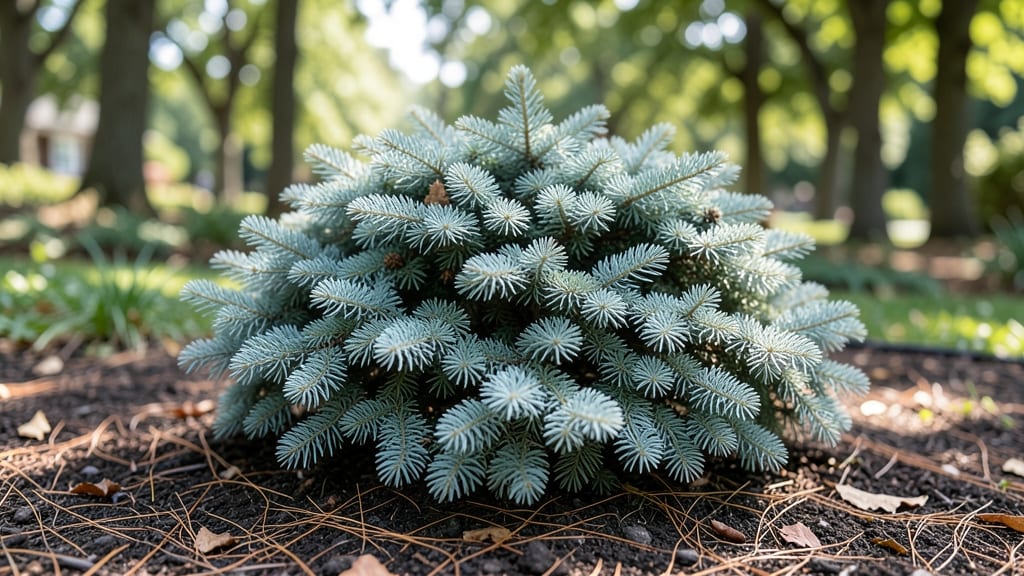
Mini cypress tree care thrives when pruned right—year-round—and I’ve pruned mine so much I can spot overgrowth from across the yard. 🌿 These trees stay compact and lush when you trim strategically, but skip the shears and they’ll stretch leggy. The key is shaping in spring, light touch-ups in summer, and protecting them in winter’s chill. Start with clean, sharp pruners and focus on the tips of branches. Cut just above a leaf joint to encourage bushier growth—never hack into the wood. My trees now have that perfect rounded shape, and the new growth is so dense it blocks weeds below. The secret? Prune after new growth appears, but never more than 25% of the tree at once. By summer, you’ll see vibrant green foliage filling every inch, and the tree will resist pests like spider mites better than unpruned ones. The scent of crushed needles after a trim? Fresh, earthy, and oddly satisfying. It’s the little details that keep these trees looking like they belong in a high-end garden center. Works for both patio pots and garden beds—just adjust watering if it’s in a container. Here’s how to keep yours thriving all year.
📚 In This Guide
- What you need
- Instructions
- Tips and common mistakes
- Wrapping up and next steps
What you need
- ● Pruning shears: Sharp, bypass-style shears (for clean cuts) or anvil-style for thicker branches. Size: 5–7 inches (ideal for delicate branches).
- ● Hand pruners: 1 pair (for precision trimming of small stems).
- ○ Loppers: Optional, but handy if your mini cypress has thicker stems (4–6 inches).
- ● Disinfectant (70% isopropyl alcohol or hydrogen peroxide): 1 small spray bottle (to sterilize tools between cuts).
- ● Gloves: 1 pair (gardening gloves with cut-resistant palms for protection).
- ○ Pruning saw: Optional, for very thick branches (if applicable to your variety).
- ● Pruning sealant: 1 small tube (for sealing large cuts to prevent disease).
- ● Mulch: 2–3 inches of organic mulch (e.g., shredded bark) to retain moisture.
- ● Slow-release fertilizer: Balanced 10-10-10 or evergreen-specific formula (check labels!).
- ● Watering can or hose with a gentle spray nozzle: For post-pruning hydration.
- ● Notebook & pen: To log pruning dates, growth notes, or before/after photos!
Step-by-Step guide to pruning your mini cypress tree
Pruning isn't just about shaping—it’s how you keep your mini cypress thriving year-round.
✂️ Step 1: Prune for Shape in Early Spring
Start as soon as new growth appears in early spring, usually March or April depending on your climate. This is when your mini cypress is most resilient and ready to respond to pruning. Use clean, sharp bypass pruners to make cuts just above a leaf node—this encourages bushier growth rather than leggy stems.
Focus on removing any dead, damaged, or crossing branches first. These are easy to spot—they’ll be brown, brittle, or growing inward. Next, trim back any branches that are growing too long or out of balance. Aim to maintain a natural, rounded shape rather than a rigid geometric form. Real talk: Mini cypresses grow slowly, so don’t rush—small adjustments over time yield the best results.
🌿 Step 2: Thin Out Interior Branches in Late Spring
About 6-8 weeks after your first pruning, head back inside the tree to thin out the interior. The goal here is to improve airflow and sunlight penetration, which prevents disease and encourages new growth. Look for branches that are growing toward the center of the tree—these compete for resources and can create a dense, shadowy core.
Remove about one-third of the interior branches, cutting them back to the main trunk or a larger branch. You’ll know you’ve done enough when you can see light filtering through the center. This step is critical for maintaining the tree’s health, especially in humid climates where stagnant air can lead to fungal issues. If a branch feels soft or mushy when touched, it’s a sign of disease—prune it immediately and dispose of it away from your garden.
☀️ Step 3: Light Pruning for Maintenance in Summer
During the summer months, switch to a lighter touch. Your mini cypress is growing actively now, so focus on shaping and tidying up rather than heavy pruning. Trim any branches that are growing too long or out of proportion, but avoid cutting back more than 10-15% of the tree’s foliage at once. This prevents stress and keeps the tree looking full and lush.
Watch for new growth at the tips of branches—this is where your tree is putting its energy. If you notice any branches that are growing too upright or sparse, you can lightly pinch back the tips to encourage a bushier habit. Avoid pruning in extreme heat (above 90°F), as this can shock the tree. Early morning or late afternoon is the best time to prune when temperatures are cooler.
⏰ Step 4: Minimal Pruning in Fall and Winter
As temperatures drop in fall and winter, your mini cypress enters a dormant phase. This is the time to avoid heavy pruning—instead, focus on removing any dead, broken, or diseased branches that have appeared over the past year. Even in colder months, you can lightly shape the tree if needed, but be cautious: Dormant trees are more susceptible to cold damage if pruned too aggressively.
If you live in a USDA Zone 7 or colder, wait until late winter (just before new growth starts) to do any significant pruning. In milder climates (Zones 8-10), you can continue light maintenance pruning throughout the winter. The key is to never prune when frost is expected—wet, frozen cuts won’t heal properly and can invite pests or disease. Here’s the thing—mini cypresses are forgiving, but a little patience goes a long way.
🌱 Step 5: Fertilize and Water After Pruning
After any significant pruning session, give your mini cypress a boost to recover. Water deeply once a week (or more often in hot, dry weather) to help the tree establish new growth. Apply a balanced, slow-release fertilizer (like a 10-10-10 formula) in early spring and again in mid-summer to support the energy it’s using to regenerate. Avoid fertilizing in fall or winter, as this can encourage tender new growth that won’t survive cold snaps.
You’ll notice new growth emerging within 4-6 weeks after pruning—this is your signal that everything is working. If you see yellowing leaves or stunted growth, it could mean your tree is stressed from over-pruning or underwatering. Adjust your approach accordingly: Less is often more with these delicate trees. With consistent care, your mini cypress will reward you with dense, vibrant foliage year after year.
Tips & tricks for perfect mini cypress tree pruning
Took me years of trial and error to figure out these game-changing strategies for keeping your mini cypress thriving.
Timing is Everything: The early spring timing in Step 1 is non-negotiable—this is when your tree's natural growth cycle aligns perfectly with its ability to recover. I've learned the hard way that pruning too early (before new growth appears) stresses the tree, while waiting too long (after buds open) can encourage leggy growth. Check for those tiny green buds at the branch tips—those are your cue to start. In colder climates, don't be afraid to wait until late April if March was unusually cold.
Tool Selection Matters: While bypass pruners are mentioned, I recommend investing in a pair with ergonomic handles for comfort during extended pruning sessions. For thicker branches (over ¼ inch), use loppers instead of pruners to avoid crushing the branch. Always sterilize your tools with rubbing alcohol between cuts—this prevents spreading disease from infected branches. I keep a small bottle in my gardening tool caddy for quick cleaning between pruning sessions.
Seasonal Adjustments: The summer maintenance step mentions avoiding extreme heat, but here's what nobody tells you—morning dew can actually help! Prune when leaves are still slightly damp from dew (early morning) to reduce stress on the tree. In humid climates, I've found that pruning during light rain showers (when temperatures are below 85°F) can be even better—it helps wash away any fungal spores that might try to take hold. Just avoid pruning when rain is forecast within 24 hours to prevent water from sitting in fresh cuts.
Visual Pruning Cues: When thinning interior branches in Step 2, aim for what arborists call "the light test"—hold your hand about 12 inches from the tree center and try to see your fingers through the foliage. If you can't, you need to remove more branches. For shaping in Step 1, imagine your tree as a dome—each cut should help create that natural rounded silhouette. I sketch a rough outline on paper first to visualize the final shape before making any cuts.
Pro Tips for Mini Cypress Tree Care
- Took me years of trial and error to figure out these game-changing strategies for keeping your mini cypress thriving.
- Timing is Everything: The early spring timing in Step 1 is non-negotiable—this is when your tree's natural growth cycle aligns perfectly with its ability to recover.
- Tool Selection Matters: While bypass pruners are mentioned, I recommend investing in a pair with ergonomic handles for comfort during extended pruning sessions.
Frequently asked questions
Got questions about keeping your mini cypress tree thriving?
Here are answers to the most common concerns—from pruning timing to troubleshooting—so you can enjoy a lush, healthy tree year-round!
When is the best time to prune a mini cypress tree?
Prune your mini cypress tree late winter or early spring (before new growth starts) for the best results. Avoid heavy pruning in fall or winter, as it can stress the tree. Light shaping in summer is fine, but skip pruning during extreme heat or drought. Pro tip: Use sharp, sterilized tools to prevent disease!
How do I care for a mini cypress tree in winter?
Mini cypress trees are cold-hardy (USDA zones 6-10), but young or potted trees may need protection. Mulch the base, water occasionally (if soil isn’t frozen), and avoid heavy snow buildup. If potted, move it to a sheltered spot or wrap the pot in burlap. Pro tip: Skip winter pruning—wait until spring!
Why is my mini cypress tree turning brown?
Brown tips or needles usually mean overwatering, underwatering, or salt buildup (from tap water). Check soil moisture—it should stay evenly moist but not soggy. If using tap water, flush the soil occasionally to reduce salt. Pro tip: Brown patches on older growth are normal; focus on new growth!
Can I prune a mini cypress tree too much?
Yes! Over-pruning can stunt growth, weaken the tree, or cause dieback. Never remove more than 1/3 of the foliage in one session. For mini cypress trees, light shaping (removing only dead or overgrown branches) is key. Pro tip: Step back often—your eye should guide you!
What’s a good alternative if my mini cypress tree isn’t thriving?
If your mini cypress struggles with pests, disease, or climate, consider dwarf Hinoki cypress, Italian cypress, or Japanese garden junipers. These are also low-maintenance, drought-tolerant, and great for pruning. Pro tip: Test soil drainage first—many cypress alternatives hate soggy roots!
Wrapping up and next steps
Caring for your mini cypress tree is all about consistency and patience—just like nurturing a tiny green friend! 🌿 With the right tools, timing, and techniques, you’ll enjoy lush, bushier growth year after year. Whether you’re trimming for shape, health, or aesthetics, remember that small, regular pruning sessions work wonders.
Now that you’re armed with expert tips, grab your shears and get pruning! Start with a quick check this weekend—your mini cypress will thank you with vibrant, thriving foliage. Happy gardening! 🌱✨