
Diseases
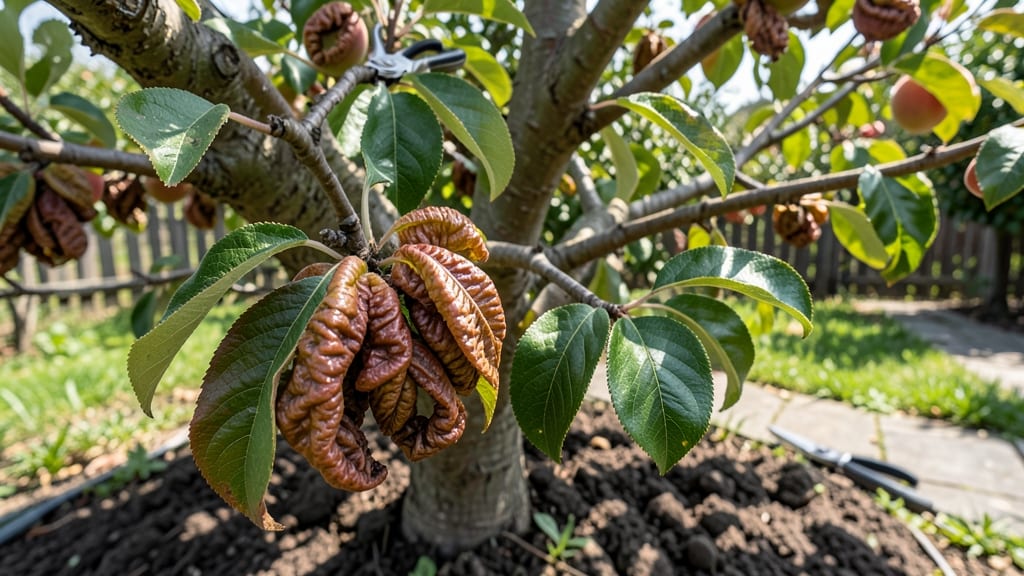
Your peach tree’s crinkled, reddish leaves aren’t just ugly—they’re a cry for help. 🌿 Leaf curl disease turns spring’s promise of sweet peaches into a battle with twisted foliage, but copper spray is the secret weapon that stops it in its tracks.
I’ve seen this disease ruin entire harvests, but with the right timing and treatment, you can save your tree—and next year’s fruit.
The problem starts when fungal spores overwinter in bark or fallen leaves, then explode in wet springs. Those puckered, red leaves? That’s the fungus feasting on your tree’s energy before it even sets fruit.
Most gardeners wait too long—by then, the damage is done. But copper spray works best when applied at bud swell, before symptoms appear, creating a protective shield that lasts through bloom.
You’ll see the first signs of recovery within 2-3 weeks of treatment: new leaves unfurling smooth and green, branches pushing out fresh growth instead of stunted, curled mess. The key is consistency—spray again after petal fall to protect developing fruit, and you’ll be back on track for a normal harvest.
No more throwing away peaches or watching your tree struggle.
This works for home orchards, backyard trees, and even container-grown peaches. The same copper spray technique stops leaf curl in nectarines and plums too. Let’s get your tree healthy before the next outbreak hits—your future peach cobbler depends on it.
Root Causes Of Leaf Curl
Peach tree leaf curl isn’t just an unsightly nuisance—it’s a fungal infection that thrives under specific conditions. Understanding why it happens is the first step to preventing it. Below, we break down the key factors that turn your peach tree’s leaves into crinkled, curled messes.
Leaf curl is caused by the fungus Taphrina deformans, a microscopic organism that infects peach, nectarine, and almond trees. Here’s how it works:
- Spore Germination: The fungus overwinters on infected buds, twigs, or fallen leaves. When spring arrives, warm temperatures (50–70°F) and moisture trigger spores to germinate and infect new growth. - Bud Infection: The fungus penetrates flower buds in late winter or early spring, disrupting normal cell development.
This forces leaves to grow abnormally thick, curled, and distorted. - Rapid Spread: Once established, the fungus spreads via wind, rain, or even pruning tools, jumping from tree to tree in your orchard.
Pro Tip: 💡 If you notice curled leaves before they fully unfurl, the fungus is already at work—acting fast with copper sprays can stop its progress.
Leaf curl doesn’t strike randomly—it loves these environmental triggers:
| Factor | How It Helps the Fungus | Prevention Tip |
|---|---|---|
| Cool, Wet Springs | Moisture softens buds, making them easier for spores to penetrate. | Plant in well-draining soil and avoid overhead watering during bud swell. |
| High Humidity | Spores thrive in damp air; humidity >70% increases infection rates. | Improve airflow with proper spacing and pruning. |
| Temperature Swings | Rapid shifts (e.g., cold nights followed by warm days) stress trees, weakening defenses. | Mulch trees to moderate soil temps and reduce stress. |
Warning: ⚠️ If your region has mild winters (like the Southeast U.S.), the fungus may survive longer, leading to earlier outbreaks.
A healthy peach tree can resist leaf curl, but stress opens the door for infection:
- Poor Nutrition: Deficiencies in zinc, nitrogen, or potassium weaken cell walls, making them vulnerable.
- Physical Damage: Frost cracks, hail, or improper pruning create entry points for spores.
- Water Stress: Over- or under-watering disrupts the tree’s ability to fight pathogens.
- Root Issues: Compacted soil or root rot reduce nutrient uptake, leaving the tree susceptible.
Action Step: 🌱 Conduct a soil test and amend with compost or a balanced fertilizer (10-10-10) in early spring to boost resilience.
Fungal spores hitchhike on:
- Pruning shears (if used on infected trees).
- Fallen leaves (which harbor overwintering spores).
- Infected nursery stock (buy only from reputable growers).
Clean-Up Checklist: ✅ Sterilize pruners with 70% rubbing alcohol or a 10% bleach solution between trees. ✅ Remove and destroy (don’t compost!) all curled leaves and mummified fruit in fall and winter. ✅ Avoid planting peach trees where infected trees grew previously without soil solarization or fungicide treatment.
Fixing Peach Tree Leaf Curl Fast
Now that you know the causes behind those unsightly crinkled, curled leaves on your peach tree, it’s time to take action! The good news? Most cases of leaf curl are manageable with the right approach.
Below, we’ve mapped out practical solutions for each common cause, along with prevention tips to keep your tree thriving. Let’s get your peach tree back to its healthy, productive self!
Fungal diseases like Taphrina deformans (the classic leaf curl pathogen) thrive in damp, cool conditions. Here’s how to tackle them:
🍳 Apply Copper-Based Fungicides (The Gold Standard) Copper sprays are the most effective way to combat fungal leaf curl. Here’s how to do it right: - When to spray: Apply copper fungicide (like copper sulfate or copper hydroxide) before buds swell in early spring (late winter/early spring).
A second application 2–3 weeks later ensures full coverage. - How to apply: Mix the fungicide according to package instructions and spray thoroughly on both sides of leaves, branches, and the trunk.
Use a pump sprayer for even distribution. - Safety first: Wear gloves and a mask—copper can be harsh on skin and lungs. Avoid spraying on windy days to prevent drift onto edible parts.
🌡️ Boost Air Circulation & Reduce Moisture Fungi love humidity, so improve airflow around your tree:
- Prune strategically: Remove crossing branches, dead wood, or overcrowded growth to let air and sunlight penetrate.
- Space trees properly: If planting new peach trees, give them 12–15 feet of space between them.
- Water at the base: Avoid overhead watering, which keeps leaves damp.
Use drip irrigation or soaker hoses instead.
🧹 Clean Up Debris & Sanitize Tools
- Rake up fallen leaves (especially in fall/winter) and destroy or compost them (don’t use them in your garden).
- Disinfect pruning tools with a 10% bleach solution (1 part bleach to 9 parts water) between cuts.
If your tree’s curl is due to cold damage, drought, or poor soil, focus on recovery and prevention:
💡 Adjust Watering Practices - Deep watering is key: Water slowly and deeply (1–2 inches per week) rather than frequent shallow watering.
Let the top 2–3 inches of soil dry out between waterings. - Mulch like a pro: Apply 2–4 inches of organic mulch (wood chips, straw) around the base (but keep it away from the trunk). This retains moisture and regulates soil temperature.
🌡️ Protect Against Late Frosts
- Cover young trees with frost cloth on cold nights (especially if buds are swelling).
- Choose cold-hardy varieties if you live in a frosty climate (e.g., ‘Reliance’ or ‘Redhaven’ peaches).
📊 Test & Amend Your Soil
- Get a soil test (check pH and nutrient levels). Peach trees prefer slightly acidic soil (pH 6.0–6.5).
- Add compost or balanced fertilizer (like 10-10-10) in early spring to boost health.
Once you’ve treated the issue, stop it from coming back with these proactive steps:
✅ Plant disease-resistant varieties (e.g., ‘Contender’ or ‘Elberta’ peaches). ✅ Monitor for early signs—catch curl before it spreads by inspecting leaves weekly in spring. ✅ Rotate fungicides if you use them yearly to prevent resistance. ✅ Avoid over-fertilizing with nitrogen—too much can weaken trees and make them more susceptible to stress. ✅ Harvest and store peaches properly—don’t leave fallen fruit on the ground (it can harbor pests/diseases).
With copper sprays + proper care, you should see new, healthy leaves within 4–6 weeks. If the problem persists:
- Reapply fungicide (sometimes a second round is needed).
- Consider a soil drench with beneficial microbes (like Trichoderma fungi) to strengthen the tree’s defenses.
Your peach tree can bounce back—just stay consistent with these fixes! 🍑💚 Once those curled leaves fall, fresh, disease-free foliage will take their place, setting your tree up for a bountiful harvest.
Frequently asked questions
What do peach tree leaf curl symptoms look like in early stages?
Early signs include tiny, puckered buds that fail to open normally, followed by thick, red-purple leaves that curl upward at the edges. The undersides may appear fuzzy or powdery. Unlike healthy growth, infected leaves stay small and distorted—often resembling tiny, crinkled pages. Check buds in late winter to catch it before leaves unfurl.
Can I use homemade remedies instead of copper spray?
While baking soda (1 tbsp per gallon of water) or neem oil (1% solution) may help mild cases, they’re not as effective as copper fungicides for leaf curl. Homemade sprays work best as a preventive supplement during dry weather, but copper remains the gold standard for stopping fungal spread. Always test remedies on a small area first.
Will pruning help if my tree already has leaf curl?
Pruning alone won’t cure leaf curl, but it reduces spread by removing infected branches. Cut out curled leaves and small twigs before buds swell (late winter), then sterilize tools with 70% rubbing alcohol. Focus on thinning dense areas to improve airflow—this helps prevent future outbreaks by keeping foliage dry.
How long does it take for copper spray to work?
You’ll see no immediate results—copper creates a protective barrier rather than curing existing infections. New growth should appear healthy within 4-6 weeks of treatment. For best results, apply before buds swell (late winter) and again after petal fall to protect developing fruit.
Can leaf curl kill my peach tree?
While rarely fatal, severe leaf curl weakens trees by reducing photosynthesis and fruit production. Chronic infections over years can stunt growth or make trees more vulnerable to other diseases. The good news? With proper copper treatments and cultural care, most trees recover fully and produce normal harvests within 1-2 seasons.