
Pruning
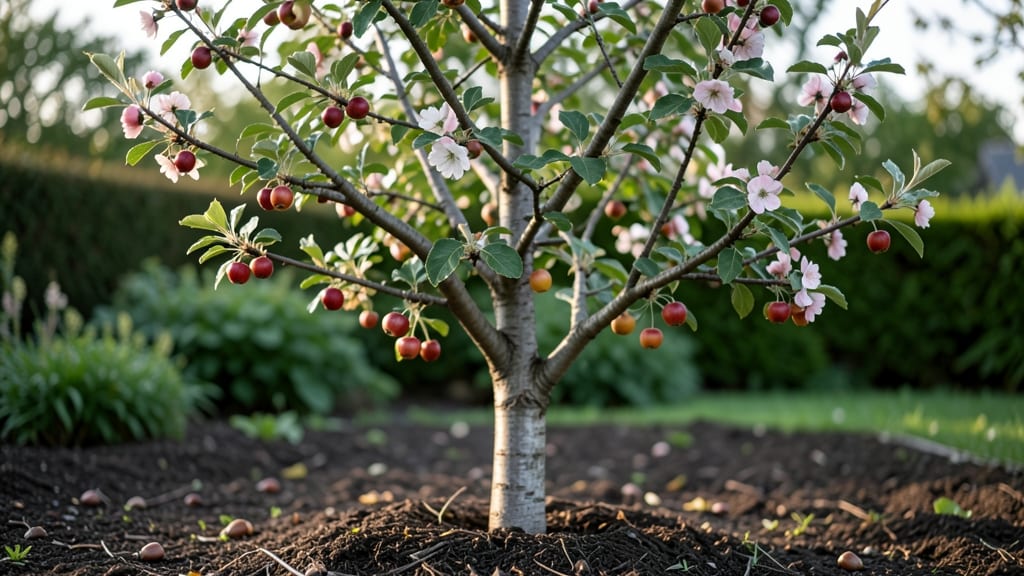
Michigan's harsh winters demand crabapple trees that won't surrender to frost. 🌳 The right variety—like the cold-hardy 'Dolgo' or 'Adams'—will reward you with spring blossoms and crisp fall fruit, even when temps dip below zero.
I've learned the hard way which cultivars survive our zone 4-6 winters without losing their charm.
The key to keeping these trees thriving in Michigan starts with proper pruning timing—late winter or early spring before buds swell. You'll shape the tree for stronger structure and better fruit production, while removing dead wood that can invite pests.
My first pruning attempt left the tree looking like a sad, lopsided mess, but now it's the showstopper of my front yard.
With each cut, you're not just trimming branches—you're encouraging next year's blooms and keeping the tree healthy for decades. A well-pruned crabapple in Michigan can live for 50+ years, providing shade, fruit for wildlife, and that signature spring floral display that makes neighbors stop and stare.
Whether you're dealing with Michigan's wind, heavy snow, or sudden temperature swings, these pruning techniques will help your crabapple stand strong. The right variety, proper timing, and sharp cuts make all the difference between a tree that survives and one that truly thrives in our climate.
📚 In This Guide
- What you need
- Instructions
- Tips and common mistakes
- Wrapping up and next steps
What you need
- ● Pruning shears: Bypass pruners (for branches Recommended: Felco F-2 or Corona 2-in-1 (sharp, ergonomic).
- ● Loppers: 1 pair (for branches ½–1½ inches thick). Look for ratcheting or bypass types (e.g., Fiskars X27).
- ● Pruning saw: 1 curved-tooth saw (for branches >1½ inches). Tip: Lubricate the blade with mineral oil for smooth cuts. 🔧
- ● Gloves: Heavy-duty leather or nitrile-coated (protects from thorns and sap).
- ● Disinfectant: 70% isopropyl alcohol or 10% bleach solution (to sterilize tools between cuts and prevent disease).
- ○ Tree wound dressing: Optional but helpful for large cuts (>2 inches). Use Tanglefoot Tree Wound Pruning Sealer or similar.
- ● Ladder: Extendable aluminum ladder (height depends on tree size; 16–24 ft recommended for mature crabapples). Safety first: Use stabilizers and never stand on the top step! ⚠️
- ● Tarps or drop cloths: 1–2 (to protect ground from debris).
- ● Work boots: Sturdy, ankle-supporting boots (Michigan’s uneven terrain + sharp tools = no excuses!).
- ● Timing: Prune dormant season (late winter/early spring, before buds swell) or immediately after flowering (May–June) to avoid silver leaf fungus.
- ● Weather: Choose a dry, calm day (no rain forecast for 24 hours). Avoid pruning in extreme cold (<20°F).
- ● Safety gear: Safety glasses (to shield from debris) and earplugs (if using a chainsaw for very large branches).
- ● Tree health check: Inspect for diseased or dead branches (look for mushroom growth, oozing sap, or hollow centers). Mark these for removal first.
- ● Local regulations: Check with your Michigan DNR or county extension office if your tree is near power lines or on a protected property.
- ● Chainsaw: Only for branches >3 inches thick (e.g., Stihl MS 200). Pro tip: Wear chaps if using a gas-powered saw! ⚡
- ● Pruning paint: Prune ‘n Seal (for sealing cuts on older trees to reduce decay risk).
- ● Tree bag: Large mesh bag (to collect fallen branches/debris for composting).
- ● Extension pole saw: For high branches (e.g., Fiskars X7).
- ● First-aid kit: Bandages, antiseptic wipes, and tweezers (for splinters or sap burns).
Step-by-step guide to pruning crabapple trees in Michigan’s climate
Michigan’s winters demand smart pruning—here’s how to keep your crabapple thriving year after year.
✂️ Step 1: Prune at the Right Time for Michigan’s Climate
Crabapples handle cold well, but timing matters. I always prune in late winter to early spring—just before buds swell but before new growth starts. This prevents disease spread and gives the tree energy to heal before summer heat arrives. If you missed that window, wait until fall (after leaf drop) to avoid stressing the tree during dormancy.
Check your local frost dates—pruning too early in harsh winters can expose fresh cuts to frost damage. Michigan’s fluctuating temperatures mean you’ll often see buds starting to swell in March, so aim to finish pruning by mid-April at the latest. If you’re unsure, wait until you see green tips on branches—then act within 5-7 days.
✂️ Step 2: Remove Dead, Diseased, or Crossing Branches First
Start with the 4 D’s: dead, diseased, damaged, and crossing branches. I grab my sterilized pruners (cleaned with rubbing alcohol) and cut back any branch that’s brown, brittle, or hollow—these won’t recover. For diseased wood, look for black spots, oozing sap, or fungal growth, and remove the entire branch 6 inches below the affected area to prevent spread.
Crossing branches (where two limbs grow toward each other) create weak crotches that split under snow or fruit weight. Cut the smaller of the two branches at the branch collar (the swollen area where the branch meets the trunk). Never leave stubs—this invites rot. If a branch is too large for hand pruners, use your loppers and make the cut just outside the branch collar.
☀️ Step 3: Thin the Canopy for Light and Airflow
Crabapples need sunlight to produce fruit and maintain their stunning fall color. Step back and look for areas where branches are too dense—you’ll see patches of shade on the ground below. Remove 10-20% of the canopy by selecting branches that are thin, weak, or growing inward. Focus on the outer third of the tree to open it up.
For each branch you remove, cut it back to a bud or side branch that grows outward. This encourages the tree to fill in gaps naturally. Avoid "topping" (cutting the main trunk)—this creates ugly stubs and weak regrowth. Instead, aim for a rounded, vase-like shape that lets snow slide off easily in Michigan’s heavy winters.
⏰ Step 4: Shape for Winter Resilience and Summer Beauty
Crabapples handle cold well, but proper shaping prevents winter damage. Remove any low-hanging branches that drag in snow or ice—these break easily and can uproot smaller trees. For larger branches, use your pruning saw and make cuts at a 45-degree angle just outside the branch collar.
Pay attention to the tree’s natural growth pattern. If branches are growing too upright, cut them back to a side bud that grows outward. This creates a stronger structure. In Michigan, where storms are common, avoid heavy pruning on one side—this can throw off the tree’s balance. Instead, make small, even cuts over 2-3 years to avoid stress.
🌿 Step 5: Clean Up and Protect for Michigan’s Harsh Seasons
After pruning, sterilize your tools again and rake up all debris—this prevents fungal spores from overwintering. I seal larger cuts (over ½ inch thick) with pruning sealant to protect against crabapple borers, a common pest in Michigan. For smaller cuts, the tree’s natural healing is usually enough.
Apply a 2-3 inch layer of mulch (but keep it 6 inches away from the trunk) to retain moisture and regulate soil temperature. In Michigan’s cold snaps, this helps roots stay stable. Water deeply once a week during dry spells in late summer to prepare the tree for winter. Avoid heavy watering in fall—this can delay dormancy and leave the tree vulnerable to frost damage.
Tips & tricks for pruning crabapple trees in Michigan’s harsh climate
Michigan’s unpredictable weather turns pruning into a delicate balance—here’s how to avoid common mistakes and keep your tree thriving.
Timing is Everything: The late winter to early spring window (just before buds swell) is critical for Michigan’s climate. If you prune too early, frost can damage fresh cuts. I check for green tips on branches as my cue—once I see them, I have about 5-7 days to finish pruning before new growth starts. For fall pruning, wait until after leaf drop but before hard frosts hit.
Tool Prep Prevents Problems: Sterilizing your pruners with rubbing alcohol between cuts is non-negotiable in Michigan’s humid summers. I also sharpen my tools before starting—dull blades tear wood instead of making clean cuts. For larger branches, use your loppers or pruning saw, but never force them. The cut should be smooth, not jagged, to prevent disease entry points.
Canopy Strategy for Michigan’s Heavy Snow: When thinning the canopy, focus on creating a rounded shape that lets snow slide off naturally. I remove branches growing inward or upward first—these are the ones that’ll snap under Michigan’s heavy snow loads. Leave the outer branches longer to maintain the tree’s strength. Remember the 10-20% rule: never remove more than that in one season, or you’ll stress the tree.
Winter Protection Secret: After pruning, seal any cuts over ½ inch thick with pruning sealant to protect against crabapple borers, Michigan’s most common tree pest. For smaller cuts, the tree’s natural healing works fine, but I still sterilize tools thoroughly to prevent fungal spread. The 2-3 inch mulch layer (kept 6 inches from the trunk) is your best friend—it insulates roots during Michigan’s cold snaps while preventing moisture buildup that leads to rot.
Pro Tips for Crabapple Tree Michigan
- Michigan’s unpredictable weather turns pruning into a delicate balance—here’s how to avoid common mistakes and keep your tree thriving.
- Timing is Everything: The late winter to early spring window (just before buds swell) is critical for Michigan’s climate.
- Tool Prep Prevents Problems: Sterilizing your pruners with rubbing alcohol between cuts is non-negotiable in Michigan’s humid summers.
Frequently asked questions
Got questions about pruning crabapple trees in Michigan’s chilly climate? You’re not alone!
Here are answers to the most common concerns—from timing tricks to troubleshooting woes.
When’s the best time to prune a crabapple tree in Michigan?
The ideal window is late winter to early spring (February–March), just before buds swell but before new growth starts. This avoids stressing the tree and minimizes disease risk. Avoid pruning in fall—it can encourage fungal infections before winter. For heavy pruning, split tasks over 2–3 years to reduce shock.
How much can I prune a crabapple tree at once?
Never remove more than 25% of the canopy in a single session. For mature trees, aim for 10–15% per year to maintain health. Focus on:
- Dead, diseased, or crossing branches ( priority #1)
- Suckers at the base
- Water sprouts (fast-growing vertical shoots)
Why are my crabapple tree’s leaves yellowing after pruning?
Yellowing can signal over-pruning, nutrient stress, or fungal issues (like apple scab). Check for:
- Thinning canopy? You may’ve removed too many leaves.
- Powdery spots on leaves? Prune in dry weather and sterilize tools with 70% rubbing alcohol.
- Root damage? Avoid compacted soil near the trunk.
Can I prune a crabapple tree in Michigan’s winter?
Yes, but only in emergencies (e.g., storm damage). Winter pruning (Dec–Jan) risks dormant season diseases and exposes fresh cuts to harsh winds. If you must, prune on dry, above-freezing days and seal large cuts with pruning sealant (though research shows this is often unnecessary for small trees).
What’s a good alternative to crabapple for Michigan’s climate?
If crabapples seem high-maintenance, consider these low-fuss Michigan natives:
- Serviceberry (Amelanchier): Cold-hardy, edible berries, and stunning fall color.
- Hawthorn (Crataegus): Drought-tolerant, supports wildlife, and thrives in poor soil.
- Dwarf Korean Lilac (Syringa meyeri): Compact, fragrant, and zero pruning needed.
Wrapping up and next steps
Growing a stunning crabapple tree in Michigan is a rewarding experience, especially when you master the art of pruning to ensure its health and beauty in cold climates. 🌳 With the right tools, timing, and techniques, you’ll help your tree thrive for years to come.
Now that you’re equipped with expert tips, take action—grab your pruners and give your crabapple tree the care it deserves!
Ready to transform your yard? Start pruning this season and watch your tree flourish with vibrant blooms and strong structure. Happy pruning! ✂️