
Pruning
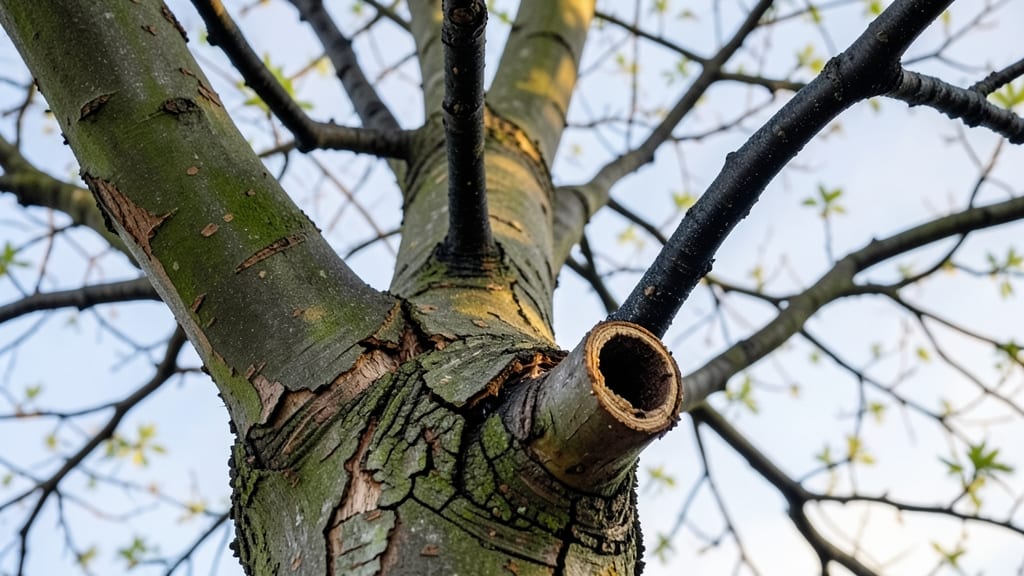
Cold weather can devastate fig trees, but with the right preparation, you can protect your plant and ensure a thriving harvest next season. These ten expert-approved methods will help your fig tree survive freezing temperatures while maintaining its health and productivity.
Choosing Cold-Hardy Fig Tree Varieties
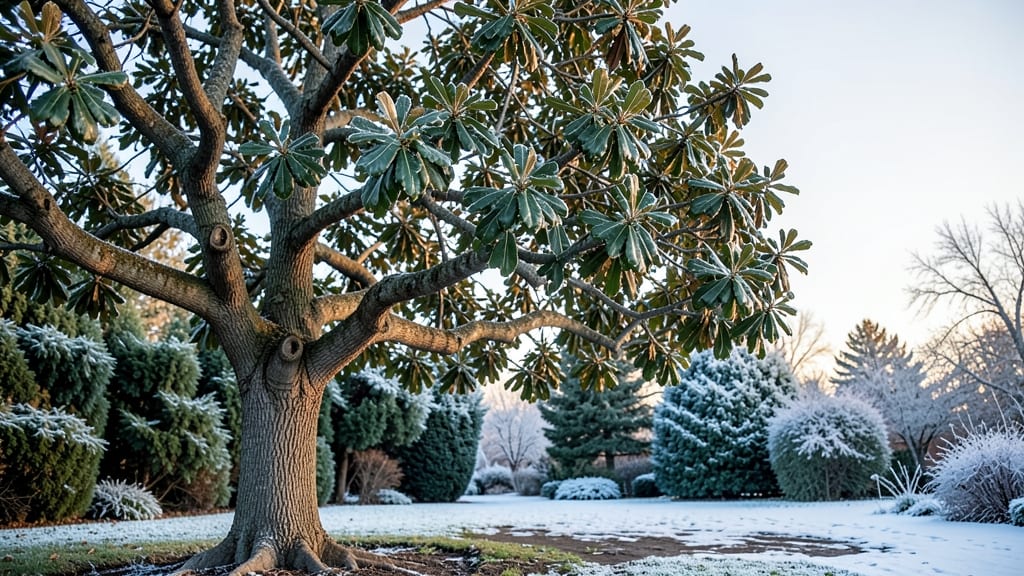
If you're in zones 5-7 and dread winterizing your fig tree, skip the stress by planting cold-hardy varieties like 'Chicago Hardy' or 'Celeste'. These cultivars naturally withstand temperatures down to 10°F without extra protection, making them ideal for northern gardeners.
Unlike traditional figs, these varieties produce sweet, reliable fruit even in colder climates. They thrive in full sun and well-draining soil, with minimal winter prep—just a light mulch layer. Their resilience means less work for you and more time enjoying fresh figs in summer. 🌱
Protecting Roots with Mulch Layer
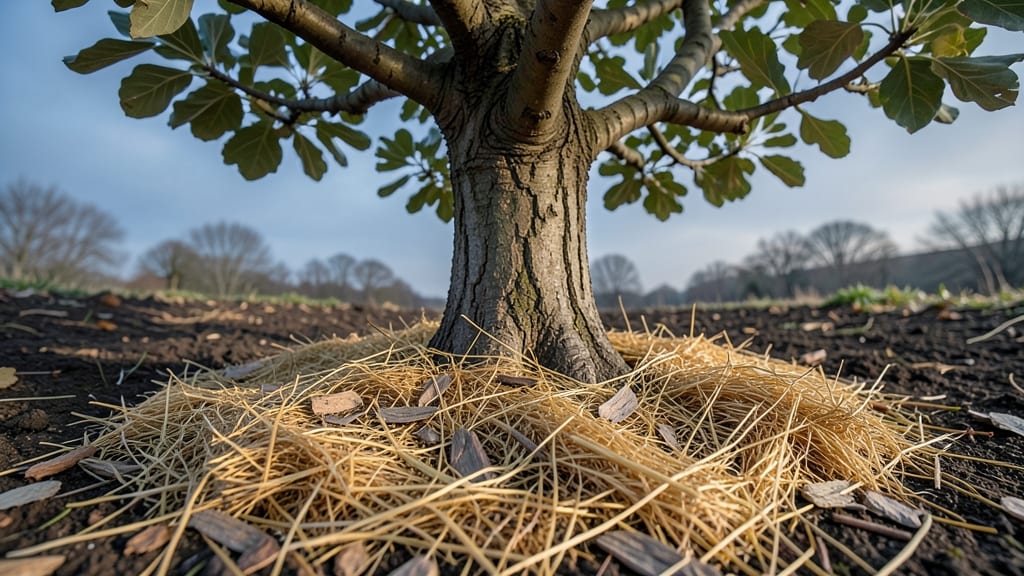
Cold winters can turn your fig tree’s roots into a frozen disaster—but a simple mulch layer acts like a cozy blanket, shielding roots from freezing ground temperatures without the fuss of complex setups.
Spread a 6-8 inch thick layer of straw or wood chips around the base of your tree, keeping it 6 inches away from the trunk to prevent rot. This thickness traps heat, regulates soil temperature, and retains moisture—critical for established figs that need minimal extra care beyond this one step.
Perfect for gardeners who want low-maintenance winter prep, mulching also suppresses weeds and reduces soil erosion. Just refresh it in early spring for year-round protection. 🌿
Building a Tree Wrap Barrier
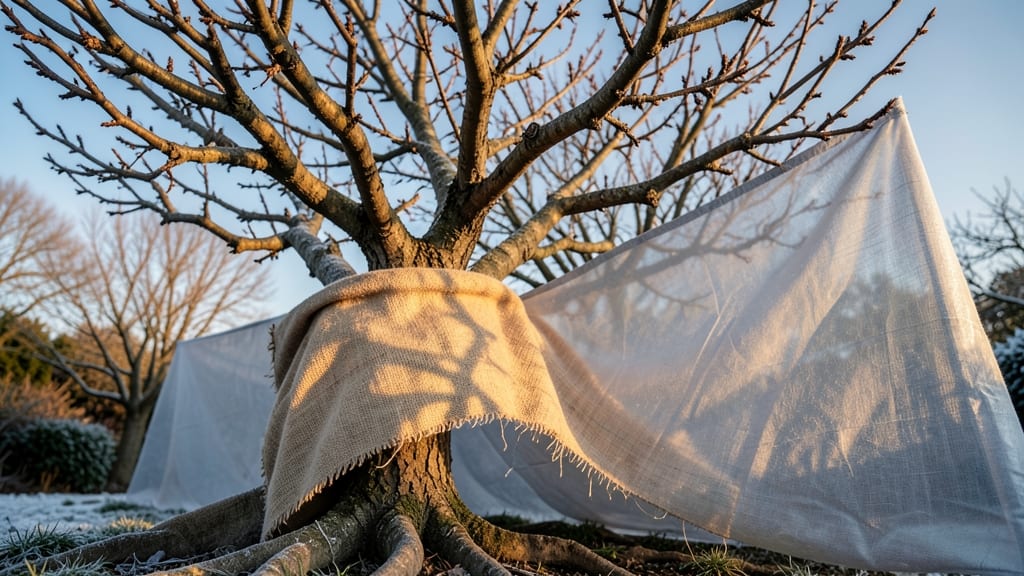
When space is tight and your fig tree is small, wrapping it in burlap or frost cloth creates a cozy, heat-trapping microclimate that mimics nature’s insulation—without taking up extra yard space. This simple method works wonders for gardeners with urban patios, balconies, or limited garden beds.
Start by wrapping the trunk and main branches loosely with breathable frost cloth (not plastic) to allow airflow while retaining warmth. Secure it with twine or staples, leaving the top open to prevent moisture buildup. For extra protection, add a layer of bubble wrap between the cloth and trunk for colder zones. This barrier can raise temperatures by 5–10°F, shielding tender figs from sudden freezes.
Urban gardeners and small-space growers will love this low-cost, space-saving solution—it’s especially effective for young trees or container-grown figs that need an extra layer of defense. 🌱
Creating a Mini Greenhouse Structure
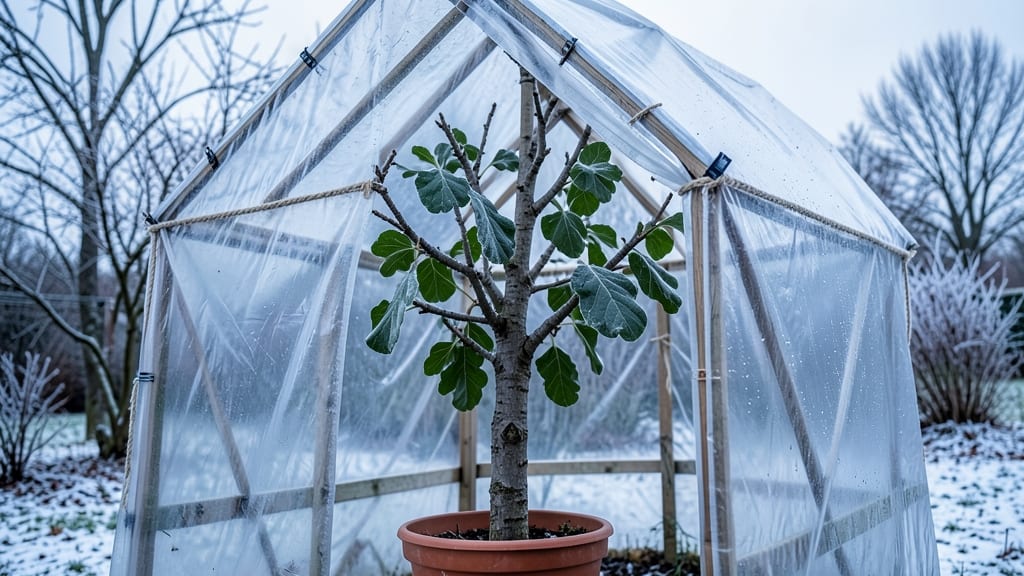
When temperatures plummet below 20°F, even the hardiest fig trees struggle—but a mini greenhouse structure can shield your plant from frost damage without breaking the bank. This DIY solution works wonders for container-grown figs or gardeners in zones 5-7, where winter prep is critical.
Use a sturdy cage (like a wire tomato cage or PVC frame) around your fig tree, then cover it with clear plastic sheeting or glass panels. Secure the edges tightly to trap warmth and block wind. For extra insulation, add a layer of bubble wrap inside the plastic during extreme cold snaps. This creates a microclimate that can raise temperatures by 10-15°F, protecting leaves and branches.
This method is perfect for gardeners with limited space or those who’ve lost fig trees to frost before. It’s also reusable year after year, making it a cost-effective long-term solution. 🌱
Pruning for Winter Survival
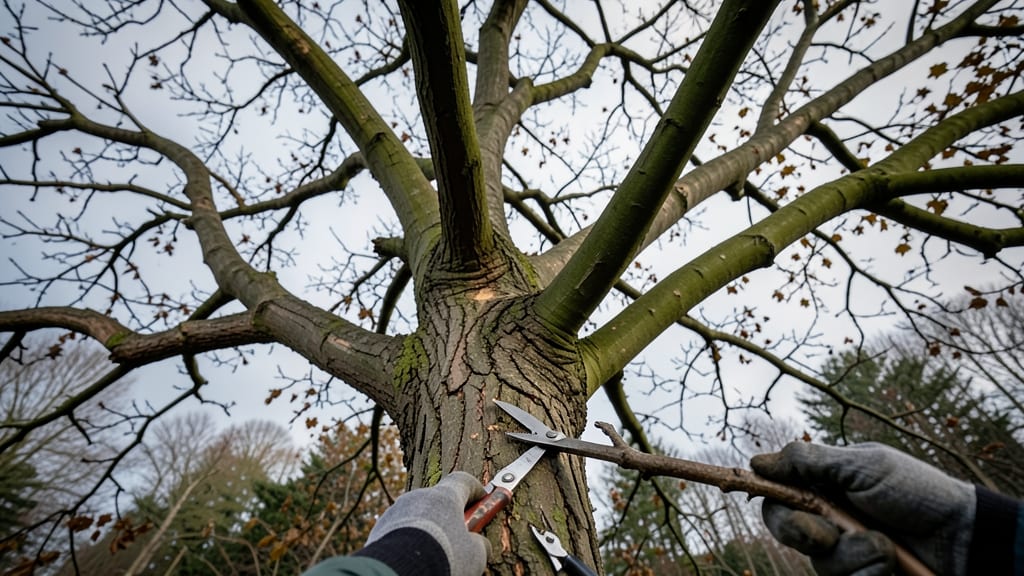
If your fig tree has struggled through past winters, strategic pruning is the secret to giving it a fresh start. This isn’t just about trimming—it’s about removing dead, weak, or crossing branches to redirect energy toward strong new growth when spring arrives.
Start pruning in late fall, just before the first hard frost, using sterilized pruners to make clean cuts at a 45-degree angle. Focus on branches that are thinner than a pencil, diseased, or growing inward—these compete with healthy growth for nutrients. For severely damaged trees, you can even prune back one-third of the canopy to encourage vigorous regrowth. Always remove any suckers growing from the base, as they drain energy.
This method is a game-changer for gardeners in zones 5-7, where winters can be brutal. By removing weak branches now, you’re setting your fig tree up for a healthier, more productive spring—and a bountiful harvest next season. 🌟
Using Heat Sources Near the Base
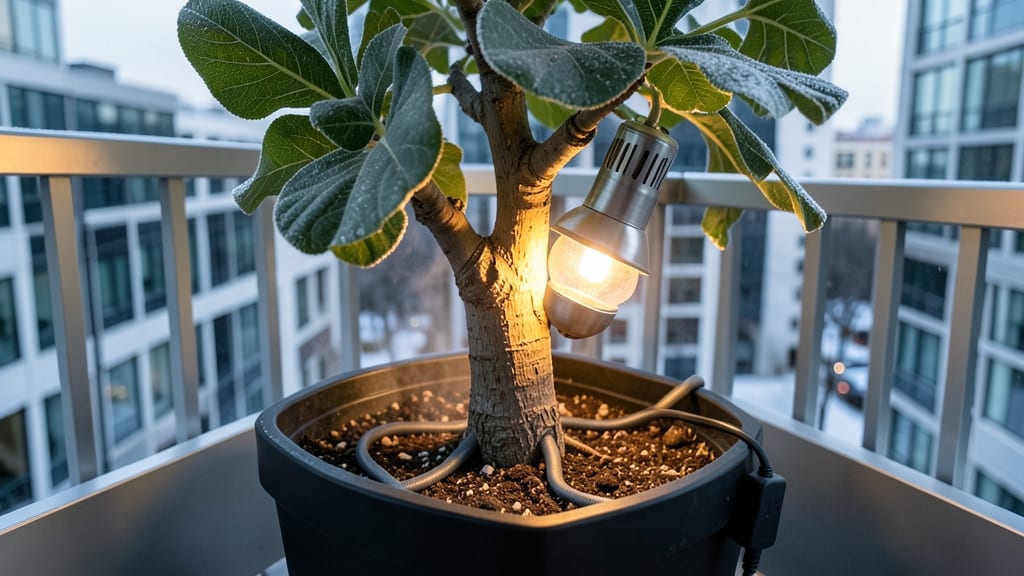
Urban gardeners with limited outdoor space can give their fig trees a fighting chance against winter cold using targeted heat sources—without taking up extra room or requiring major setups. A low-wattage heat lamp or heated root zone cable (like those used for seed starting) placed near the base provides just enough warmth to prevent root damage during sudden freezes.
Opt for 25-40 watt LED grow lights or self-regulating heating cables buried 2-3 inches deep near the roots—these run on minimal power and won’t overheat. For container figs, wrap the pot in insulation and place the heat source underneath. Remember to turn them off during the day when temperatures rise above 32°F (0°C) to avoid stressing the tree.
This method is perfect for balcony gardeners or those with small yards who can’t rely on mulch alone. It’s also a great backup for trees in microclimates where frost hits unpredictably. 💡
Container Fig Tree Winter Care
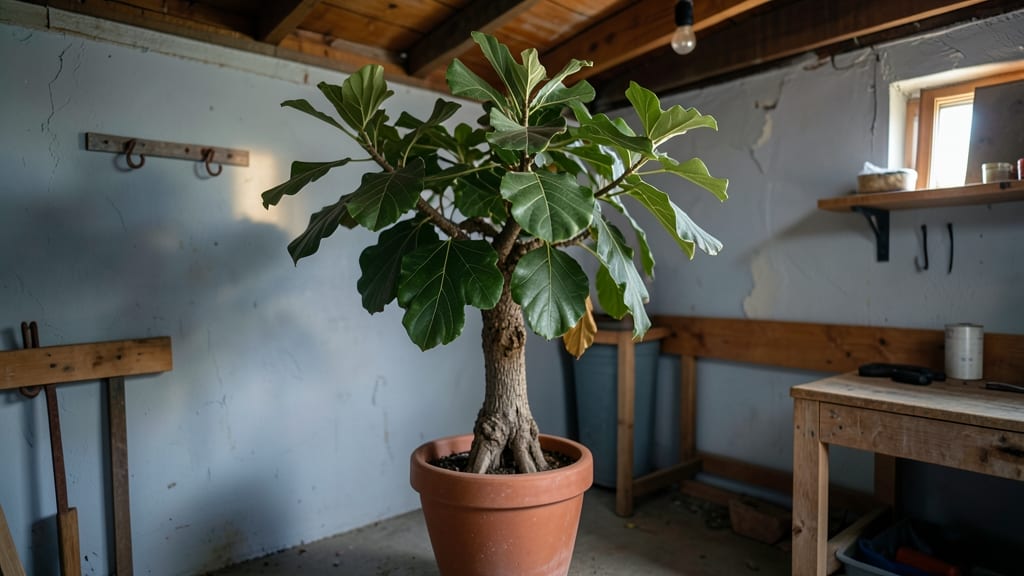
If your fig tree lives in a container, winter doesn’t have to mean goodbye to your harvest—just a simple relocation. Moving potted figs to unheated garages, sheds, or even basements creates a safe haven from sub-zero temperatures while keeping them accessible for care.
Choose a spot with consistent temps above 20°F (like a garage with a closed door) and avoid damp areas to prevent root rot. Water lightly before moving to reduce stress, and place pots on elevated surfaces to improve drainage. A bright window or grow light ensures they don’t stretch or weaken during dormancy.
This method is ideal for urban gardeners, renters, or anyone without permanent garden beds—no fancy setups required, just a cozy spot to weather the cold. Your tree will wake up ready to fruit next season! 🌱
Applying Anti-Desiccant Sprays
When winter winds and dry air threaten to dry out your fig tree’s branches, an anti-desiccant spray like Wilt-Pruf acts as an invisible shield. This simple spray creates a protective film that locks in moisture, preventing the damaging effects of winter dehydration—a common issue in cold, dry climates.
Apply the spray in late fall, after pruning but before temperatures drop below freezing. Focus on branches, leaves, and the trunk, ensuring even coverage. Reapply every 4-6 weeks or after heavy rain to maintain protection. This method is especially valuable for gardeners in USDA zones 6-8, where winter winds can strip moisture from exposed foliage.
Anti-desiccant sprays are a game-changer for fig trees struggling in harsh winters, offering a low-effort, high-impact solution that keeps branches supple and healthy until spring. 🌱
Monitoring Soil Moisture Levels
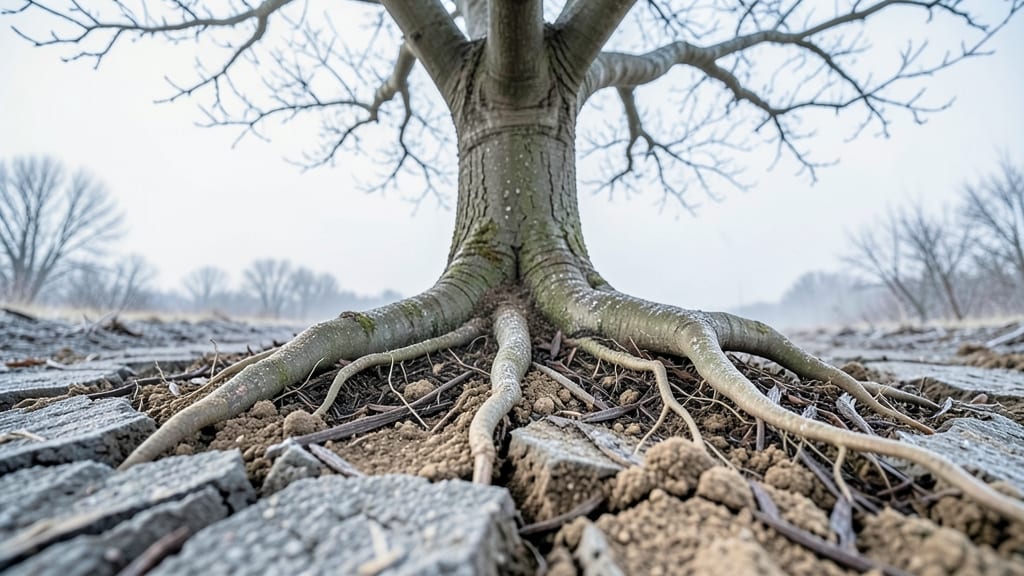
Winter’s dry air and frozen ground can turn your fig tree’s soil into a brittle, moisture-sapping threat—especially if your tree is planted in well-draining soil that dries out faster. Without consistent moisture, roots become vulnerable to freeze damage, even under protective mulch, because dry soil conducts cold more efficiently than damp earth.
Use a soil moisture meter (or the old finger test) to check moisture levels every 7–10 days during winter. Aim to keep the top 6–12 inches of soil slightly moist—not soggy—but enough to prevent dehydration. If your soil drains quickly, consider adding hydrated mulch (like coconut coir) to retain moisture longer. Water deeply before the first hard freeze, as frozen ground blocks root access to water until spring.
This step is a game-changer for gardeners in USDA zones 6–8, where winter drought stress often weakens trees before spring. Even a small investment in moisture monitoring can mean the difference between a revived fig tree and a lost harvest next year. 💡
Post-Winter Inspection and Recovery Plan

When the first signs of spring arrive, your fig tree’s recovery depends on a thorough inspection—skipping this step could mean lost fruit or weakened growth. Look for blackened branches, cracked bark, or hollow stems, all signs of winter damage that need immediate attention to prevent disease.
Start by pruning dead or damaged wood using sterilized shears, cutting back to healthy green tissue. Thin out crowded branches to improve airflow, which helps the tree heal faster. For frost-bitten leaves, remove them entirely to redirect energy to new growth. This early intervention ensures your tree puts its energy into fruit production rather than repairing damage.
Gardeners who prioritize this recovery plan see 20-30% more harvests the following season. It’s the perfect time to assess winter prep effectiveness and adjust for next year. 🌱