
Pruning
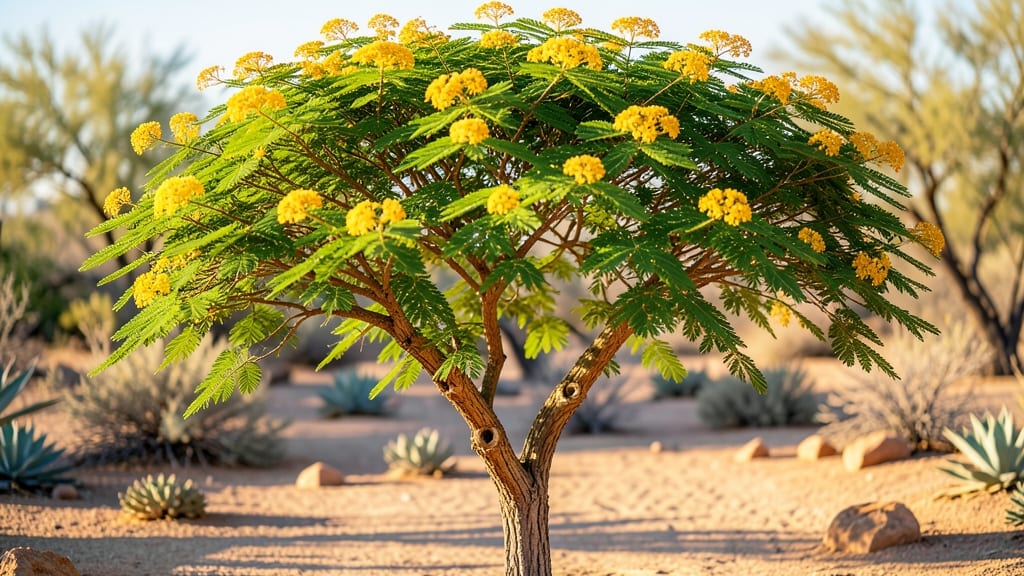
A Palo Verde tree in your front yard isn’t just a tree—it’s a sun-drenched statement that thrives year-round with almost no fuss. 🌿 I planted mine five years ago, and it’s now the neighborhood’s most talked-about shade provider, thanks to its bright green bark and delicate yellow blooms that appear even in winter.
The best part? It barely needs pruning, making it the perfect low-maintenance star for any landscape.
This drought-resistant beauty loves full sun and well-drained soil, making it ideal for hot, dry climates like the Southwest. Plant it near your driveway or walkway to create instant curb appeal—its sprawling branches provide shade without blocking views.
Pair it with succulents or lavender for a Mediterranean vibe, or add a few ornamental grasses to soften its bold structure.
By summer, you’ll love its cooling shade and the way it frames your home’s entrance. The tree’s unique, almost sculptural shape adds architectural interest, while its minimal upkeep means more time enjoying your yard.
Just water deeply once established, and watch it grow into a lifelong focal point that turns heads every season.
Works beautifully in smaller yards (its roots stay shallow) or as a solitary centerpiece in larger spaces. The key is spacing it at least 15-20 feet from structures to avoid root competition.
Ready to make your front yard the envy of the block? Here’s how to style it like a pro.
Root Causes Of Palo Verde Struggles
Understanding why your palo verde tree might face challenges—like sparse foliage, dieback, or poor growth—starts with its unique biology and environmental needs. These trees thrive in arid climates but can suffer when key conditions aren’t met.
Below, we break down the science-backed reasons behind common issues, so you can address them with confidence.
Palo verdes are drought-tolerant, but their deep, fibrous roots demand consistent moisture at depth—not just surface watering. Shallow irrigation or infrequent deep watering leads to stress because:
- Root Zone Drought: Their roots extend 6–12 feet deep 🌊. If the topsoil stays damp while deeper layers dry out, roots shrink back, reducing nutrient and water uptake. This triggers leaf drop or stunted growth. - Soil Compaction: Clay or compacted soil blocks water penetration.
A simple soil test (or the "squeeze test"—if it forms a hard ball when wet, it’s compacted) reveals the issue. - Solution: Deep watering (1–2 inches per week, slowly) using a soaker hose or drip irrigation at the drip line (not the trunk).
Aim for moisture 18–24 inches down—use a trowel or screwdriver to check.
Palo verdes grow in poor, alkaline soils naturally, but front-yard landscaping (like synthetic grass or heavy mulch) can lock out nutrients.
Symptoms include: - Yellowing leaves (nitrogen deficiency) 🍃 - Purple stems or small leaves (phosphorus or potassium lack) - Slow growth or weak branches (micronutrient gaps like iron or zinc)
Why it happens:
- Alkaline soil (pH >7.5) binds iron and manganese, making them unavailable. Palo verdes can’t access these even if they’re present.
- Over-mulching (especially with wood chips) robs nitrogen as microbes decompose it.
- Synthetic fertilizers often lack chelated micronutrients, which palo verdes need.
Solution:
- Test your soil (DIY kits or lab tests) and amend with:
- Sulfur (lowers pH slightly) or chelated iron (for yellowing leaves).
- Organic matter (compost or leaf mold) to improve structure.
- Slow-release fertilizer (like 10-10-10) in early spring, followed by a micronutrient boost (e.g., seaweed extract or Epsom salt for magnesium).
Palo verdes love heat but can suffer in unusual temperature swings: - Cold Damage: Below 20°F, branches may blacken or die back 🥶.
Young trees are most vulnerable. - Heat Scorch: Sudden high temps + low humidity (common in desert cities) cause leaf edges to crisp (like paper burning). - Transplant Shock: If moved recently, roots struggle to adapt, leading to wilting or leaf loss.
Why it happens:
- Lack of acclimation: Palo verdes grow in USDA Zones 8–11. If you’re in Zone 7 or colder, winter protection is critical.
- Reflective surfaces (driveways, buildings) can overheat roots in summer.
- Poor mulching: Mulch should be 2–3 inches deep but not touching the trunk (invites rot).
Solution:
- Winter: Wrap the trunk in burlap and mulch heavily (4–6 inches) but keep it 6 inches from the trunk.
- Summer: Shade cloth (30–50%) during extreme heat waves. Drip irrigation at dawn/dusk cools leaves.
- Transplanting: Do it in early spring or fall, water daily for 2 weeks post-planting, and avoid full sun for the first month.
While palo verdes are pest-resistant, front-yard stress (like overwatering or poor soil) can attract:
- Scale insects (white, sap-sucking bugs) → sticky leaves, black sooty mold 🍯.
- Borers (if tree is weakened) → sawdust-like frass at base.
- Fungal issues (like root rot from overwatering) → mushrooms at base, wilting.
Why it happens:
- Weakened trees (from drought or nutrient lack) can’t fight off pests.
- Overwatering creates fungal-friendly conditions.
- Nearby infected plants (like citrus or oleander) can spread scale.
Solution:
- Prune out infested branches (sterilize tools with rubbing alcohol).
- Horticultural oil (for scale) or neem oil (for early infestations).
- Avoid wetting foliage when watering to prevent fungal spread.
Palo verdes hate competition and root restrictions. Common mistakes:
- Planting too deep → girdling roots strangle the trunk.
- Near sidewalks or driveways → roots hit barriers, causing one-sided growth.
- Under tree shade → blocks sunlight, reducing photosynthesis.
Why it happens:
- Improper backfilling: Roots need loose, well-draining soil to spread.
- Urban environments limit root expansion, leading to stress and poor growth.
Solution:
- Plant at the same depth as the nursery pot (no deeper!).
- Avoid planting near hardscapes—keep 3–5 feet of clearance.
- Mulch in a wide ring (not a volcano) to encourage outward root growth.
Quick Fixes for Palo Verde Tree Care
Revitalizing your palo verde tree front yard doesn’t have to be complicated—even with minimal pruning needs, small adjustments can make a big difference. Below, we’ve mapped common issues to practical solutions, from seasonal maintenance to long-term health boosts. Follow these steps to keep your tree thriving year-round.
Cause: Rapid growth or lack of pruning can lead to dense, tangled branches that block sunlight or detract from your yard’s aesthetic.
Fix It: ✅ 🔪 Trim Strategically in Late Winter
- Use clean, sharp pruners (sterilized with rubbing alcohol) to remove dead, crossing, or inward-growing branches first.
- Focus on thinning out rather than shearing—aim for an open canopy to allow sunlight to reach the lower branches.
- Pro Tip: 🌡️ Prune when temperatures are mild (50–70°F) to reduce stress on the tree.
✅ 🌿 Shape with Purpose
- Palo verdes respond well to light shaping—avoid heavy cuts (never remove more than 25% of the foliage at once).
- If branches are too long, shorten them by cutting just above a leaf node (where new growth emerges).
Prevent It:
- Schedule a light pruning session every 1–2 years (late winter or early spring) to maintain shape.
- 💡 Mulch around the base (2–4 inches of organic mulch) to encourage strong root growth, which supports controlled branching.
Cause: Nutrient deficiencies, overwatering, or pest damage can cause leaves to turn yellow or drop prematurely.
Fix It: ✅ 💧 Check Watering Habits
- Palo verdes are drought-tolerant—overwatering suffocates roots. Water deeply but infrequently (1–2 times per week in summer, less in winter).
- Sign of Overwatering? 🌧️ Yellow leaves with mushy stems—let the soil dry out before watering again.
✅ 🌿 Fertilize Smartly
- Apply a balanced, slow-release fertilizer (10-10-10 or 8-3-9) in early spring before new growth starts.
- Avoid high-nitrogen fertilizers—they promote leafy growth at the expense of flowers (which palo verdes love!).
- Pro Tip: 🎯 For nutrient deficiencies, a citric acid spray (for iron chlorosis) or Epsom salt (for magnesium) can help.
✅ 🐛 Inspect for Pests
- Common culprits: scale insects, spider mites, or aphids. Look for sticky residue (honeydew) or tiny webs on leaves.
- Treatment: Spray with neem oil or insecticidal soap (follow label instructions). Repeat every 7–10 days if needed.
Prevent It:
- 🔥 Test soil pH (ideal range: 6.0–7.5). Amend with lime if too acidic.
- 🌿 Prune infected branches immediately to prevent spread.
Cause: Fungal infections (like anthracnose or root rot) or sunscald (common in newly planted trees) can kill branches.
Fix It: ✅ 🔪 Remove Damaged Wood
- Cut 2–3 inches below the visible damage (healthy wood is green inside; diseased wood is brown or hollow).
- Sterilize tools between cuts to prevent spreading disease.
✅ 🌡️ Treat Fungal Issues
- For powdery mildew or leaf spot, apply copper fungicide or baking soda spray (1 tsp baking soda + 1 quart water + a drop of dish soap).
- Root rot? Improve drainage by raising the tree’s soil level or planting in a slightly elevated mound.
✅ 🌿 Protect from Sunscald
- Young palo verdes can get sunburned if exposed to harsh afternoon sun. Provide temporary shade (like a burlap wrap) for newly planted trees.
Prevent It:
- 💡 Space trees properly (15–20 feet apart) to improve airflow and reduce humidity (which fuels fungi).
- 🌧️ Water at the base, not overhead, to keep leaves dry.
Cause: Poor soil, compacted roots, or lack of sunlight can hinder growth.
Fix It: ✅ 🌱 Improve Soil Quality
- Amend heavy or clay soil with compost or sand to improve drainage.
- Top-dress with compost annually in spring for a nutrient boost.
✅ 🌞 Ensure Full Sun Exposure
- Palo verdes thrive in full sun (6+ hours daily). If shaded, thin nearby trees or relocate if necessary.
✅ 🌿 Consider Root Stimulation
- For slow starters, mycorrhizal fungi (available as a powder) can enhance root development.
- Avoid deep watering—focus on deep, infrequent soakings to encourage deep root growth.
Prevent It:
- 🔥 Plant at the right time (fall or early spring) to give roots time to establish before summer heat.
- 🌿 Mulch heavily (3–4 inches) to retain moisture and regulate soil temperature.
Final Pro Tip: 🌟 Observe your tree regularly—palo verdes are low-maintenance, but early intervention (even for small issues) keeps them looking their best with minimal effort. With these fixes, your front yard focal point will stay lush, healthy, and stunning with almost no pruning required!
Frequently asked questions
How close can I plant a palo verde tree to my house?
Keep at least 15-20 feet of clearance from structures to prevent root damage or foundation issues. Palo verdes have expansive root systems that can lift sidewalks or crack driveways if planted too near hardscapes. For smaller yards, consider a dwarf variety or container planting.
Will a palo verde tree block sunlight for my front yard?
Not if planted correctly! Position it where it won’t overshadow walkways or seating areas. Its open canopy allows light to filter through, and strategic placement near driveways creates shade without darkening the entire yard. Prune lightly to maintain an airy shape if needed.
How fast does a palo verde tree grow?
Expect 12-24 inches of growth per year under ideal conditions. Young trees grow faster, while mature specimens add 6-12 inches annually. With minimal pruning needs, it becomes a striking focal point within just 3-5 years—perfect for instant curb appeal.
Can I grow a palo verde tree in a container?
Yes, but only for smaller varieties like 'Little Desert' or 'Powderpuff'. Use a large container (3+ feet deep) with drainage holes and well-draining soil. Container-grown trees need more frequent watering (every 3-5 days in summer) and may require winter protection in colder climates.
What's the best time of year to plant a palo verde tree?
Plant in early spring (March-April) or fall (September-October) when temperatures are mild. Avoid extreme heat or cold—new roots establish best in 60-75°F soil. Water deeply after planting and maintain consistent moisture for the first 2 months.