
Pruning
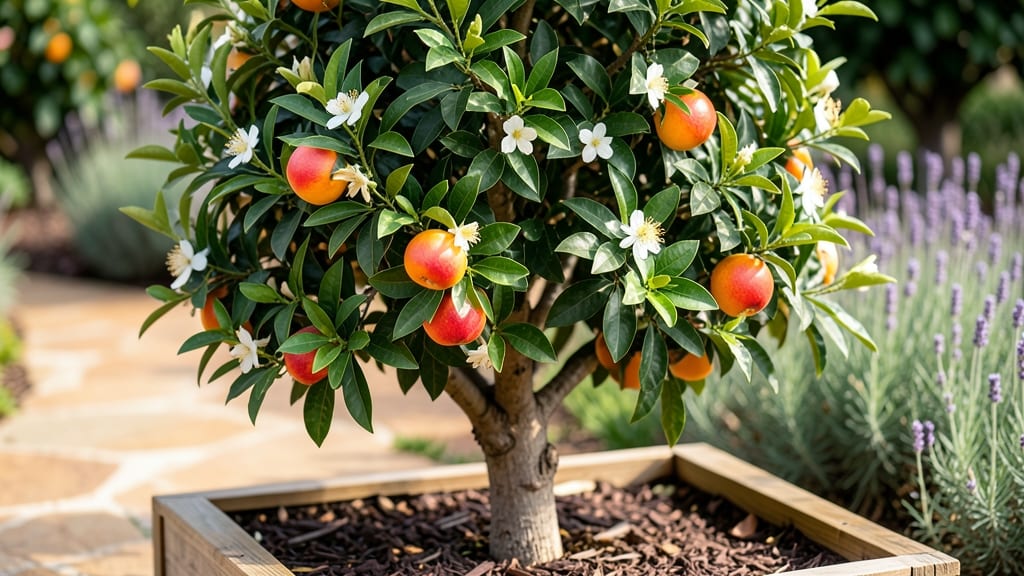
A Cara Cara orange tree's size can range from a compact 8-foot dwarf to a sprawling 20-foot standard, turning your backyard into a citrus paradise—or a space challenge.
If you've ever dreamed of fresh, pink-fleshed oranges but hesitated because of limited space, you're not alone. The key to fitting one into your garden lies in choosing the right rootstock and understanding how climate, pruning, and soil shape its growth.
In ideal conditions—like USDA Zone 9b—a standard Cara Cara 🍊 can reach heights of 15-20 feet, while dwarf varieties stay between 6-12 feet. But with the right techniques, even a small patio can host a productive tree.
Below, I’ll break down the factors that influence size, how to control growth for containers or tight spaces, and the best rootstocks for your goals—so you can enjoy homegrown Cara Cara oranges without sacrificing your yard.

Cara Cara orange tree size comparison: dwarf vs standard varieties
Choosing the right Cara Cara orange tree size starts with understanding how rootstock determines growth. The same pink-fleshed fruit can come from a 3-foot dwarf or a 15-foot standard tree—it’s all about the underlying root system you select.
For patios, dwarf varieties like Citrange Carrizo keep trees under 8 feet tall, while standard trees on Swingle Citrumelo rootstock can reach 20 feet in ideal conditions.
Your garden space and harvest goals should guide your choice. Dwarf trees produce fruit faster (often in 2-3 years) but yield smaller harvests, while standard trees take 5-8 years to mature but produce hundreds of oranges annually.
Let’s break down the key differences so you can plan your citrus orchard—whether it’s a container on your balcony or a backyard centerpiece.
🌱 Visual Comparison: Below is a side-by-side breakdown of mature heights, spread, and growth rates for the most popular rootstocks. Use this as your decision-making guide before purchasing.
If you’re growing in a container, prioritize Citrange Carrizo or Flying Dragon rootstocks—they stay compact enough for 15-25 gallon pots while still producing abundant fruit. My 5-gallon dwarf Cara Cara in a terracotta pot yields 20-30 oranges annually despite its 6-foot height.
The growth rate is another critical factor. Dwarf varieties like Citrange Carrizo grow 1-2 feet per year in their first three years, making them ideal for quick harvests.
In contrast, standard trees on Cleopatra Mandarin rootstock can shoot up 3-4 feet annually, requiring regular pruning to manage their size. Plan for vertical space if you choose a standard tree—these beauties can outgrow your garage!
Your climate zone also plays a role. In USDA Zone 9b (like Southern California or Florida), Cara Cara trees grow faster and larger due to year-round warmth. In cooler zones (Zone 8a), even dwarf varieties may stay smaller and slower-growing.
Always check your local frost dates—if you’re near Zone 8, consider container growing to move your tree indoors during winter.
For small-space gardening, I recommend topworking—grafting a Cara Cara scion onto a dwarf rootstock after the tree is established. This lets you control height while keeping the desired fruit variety. Just be patient: it takes 1-2 years for the graft to fully integrate and produce fruit.
Remember, pruning can adjust size even with standard rootstocks. By heading back (cutting new growth) in late winter, you can keep a Swingle Citrumelo tree at 10 feet tall instead of letting it reach 15 feet.
Use sharp, sterilized shears and remove suckers (shoots from the base) to maintain a clean canopy.
🌿 Pro Tip: Measure your
How to control Cara Cara orange tree size: pruning and rootstock tips
Controlling the size of your Cara Cara orange tree starts with choosing the right rootstock. This citrus variety can grow anywhere from 6 feet tall (dwarf) to 20 feet (standard), so selecting the foundation is critical.
For small spaces, dwarf rootstocks like Citrange Carrizo or Flying Dragon are ideal, while larger yards can accommodate semi-dwarf or standard rootstocks like Swingle Citrumelo.
Once planted, pruning techniques become your best tool for managing growth. Regular pruning not only keeps your tree compact but also improves airflow, reducing disease risk. Start pruning when your tree is young to establish a strong structure, and continue annually to maintain your desired size.
The key is to remove suckers, dead branches, and overcrowded growth while preserving the tree's natural shape.
- Dwarf Rootstocks: Citrange Carrizo (6-10 ft) or Flying Dragon (8-12 ft) for containers or small patios.
- Semi-Dwarf Rootstocks: Swingle Citrumelo (12-15 ft) for medium-sized backyards.
- Standard Rootstocks: Cleopatra Mandarin (15-20 ft) for large landscapes or traditional orchards.
- Container Considerations: Use dwarf rootstock and a large pot (20+ gallons) with drainage holes.
- Pruning Schedule: Light pruning in spring, heavy shaping in late winter before new growth.
- Avoid Over-Pruning: Never remove more than 25% of foliage in one session to prevent stress.
For container-grown Cara Cara trees, rootstock choice is even more critical. A dwarf rootstock combined with a large, sturdy pot (at least 20 gallons) will give you the best chance of success.
Remember to repot every 2-3 years as the tree grows, using a well-draining citrus mix with added perlite or sand. In containers, regular pruning is essential to prevent root-bound stress and maintain compact growth.
If your tree starts to outgrow its space, don't panic—corrective pruning can help. Focus on removing water sprouts (fast-growing vertical shoots) and suckers (shoots from the base). For a more open canopy, thin out crossing branches to improve light penetration.
Always use sterilized pruning shears and make cuts just above a bud or lateral branch to encourage healthy regrowth.
One often-overlooked tip is to prune for fruit production. While you want to control size, you also want a tree that produces abundant Cara Cara oranges. Prune to maintain an open center with well-spaced branches, allowing sunlight to reach the inner canopy.
This not only improves fruit quality but also makes harvesting easier. In small spaces, consider espalier training to grow your tree flat against a wall or fence, saving space while maximizing fruit yield.
Finally, remember that consistency is key. Regular monitoring and seasonal pruning will keep your Cara Cara orange tree at your desired size while ensuring it remains healthy and productive. With the right rootstock and pruning strategy, you can enjoy fresh, pink-fleshed oranges even in the smallest of gardens! 🍊