
Pruning
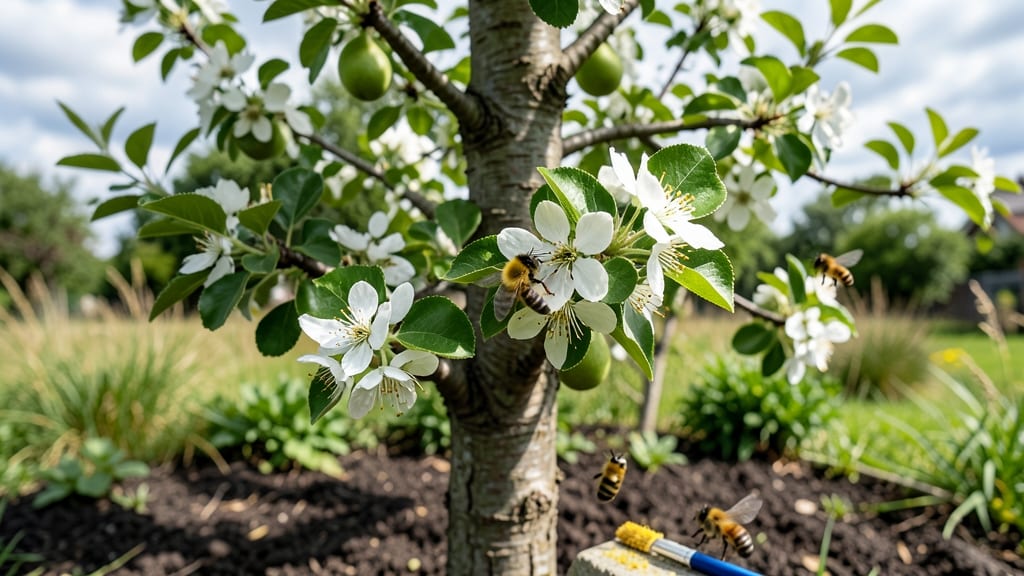
A Bartlett pear tree needs the right pollinators—or at least a buzzing friend—to produce those sweet, juicy fruits. 🐝 I’ve watched my own trees go from sparse harvests to heavy fruit sets once I understood the cross-pollination game, and it all starts with the right pollinator varieties and timing.
Bartletts aren’t self-fertile, meaning they rely on bees, birds, or wind to transfer pollen from another pear (or compatible fruit tree) within 100 feet.
Planting a second variety like ‘Moonglow’ or ‘Seckel’ ensures better fruit set, but even then, pollinators need to do their job—usually between late spring and early summer when flowers bloom. Here’s the secret: companion plants like lavender, clover, or apple blossoms attract bees, while avoiding pesticides keeps them thriving.
A single tree might produce a few pears, but two or more? That’s where the real harvest magic happens. Timing is everything—wait too long to plant a pollinator partner, and you’ll miss years of fruit.
But get it right, and you’ll be canning pears (or just eating them fresh) for decades.
📚 In This Guide
- What you need
- Instructions
- Tips and common mistakes
- Wrapping up and next steps
What you need
- ● Native bee-friendly plants (e.g., lavender, borage, or clover) – at least 3-5 varieties to create a pollinator-friendly habitat.
- ● Organic bee nest boxes – 2-3 units (for solitary bees like mason bees, which are excellent pollinators).
- ● Pollinator-friendly mulch (e.g., wood chips or straw) – 1-2 bags to retain moisture and support ground-nesting bees.
- ● Water source – A shallow dish with pebbles or a bee waterer to provide hydration.
- ● Pruning shears – sharp, bypass-style for trimming dead branches and encouraging airflow.
- ● Handheld leaf blower or sprayer – For gentle pest control (avoid harsh chemicals!).
- ● Gloves & long sleeves – To protect against thorns and stings.
- ● Bee-friendly seed packets – For planting additional pollinator-attracting flowers.
- ● Pheromone traps (if needed) – To monitor or deter unwanted pests.
- ● Soil test kit – Ensures optimal growing conditions for both trees and pollinators.
- ● Birdhouses or bat boxes – To further boost the ecosystem’s natural pest control.
Step-by-step guide to maximizing Bartlett pear fruit set through pollination
Here’s how to ensure your Bartlett pear tree produces abundant fruit by inviting the right pollinators.
🐝 Step 1: Plant a Compatible Pollinator Variety Nearby
Bartlett pears are self-fruitful but produce far more fruit when cross-pollinated with another variety. Plant a compatible partner like Seckel, Moonglow, or Hood within 50 feet—this gives bees and other pollinators easy access to multiple blossoms. If space is limited, even a single branch grafted with a different variety can work.
Timing matters: Choose varieties that bloom at the same time as your Bartlett. Check your local nursery for bloom periods—some varieties flower 2 weeks earlier or later, which defeats the purpose. I always ask staff to confirm compatibility before buying.
☀️ Step 2: Create an Early Spring Pollinator Haven
Bees and other pollinators need food sources before your pear tree blooms. Plant early spring-blooming flowers like crocus, daffodils, or fruit tree blossoms (like apple or cherry) within 100 feet of your Bartlett. These provide pollen and nectar when temperatures reach 55-60°F, the ideal range for bee activity.
Add a shallow water source too—a simple saucer with pebbles and water keeps bees hydrated. I place mine near the tree’s drip line so pollinators don’t have to travel far. Avoid pesticides entirely during bloom season; even "organic" sprays can harm beneficial insects.
🌿 Step 3: Protect and Encourage Native Pollinators
Native bees and solitary wasps are far more efficient pollinators than honeybees for pears. Leave leaf litter and bare soil patches near the tree—these provide nesting sites for ground-nesting bees. Avoid tilling or mulching heavily in early spring to preserve their habitats.
If your area has few pollinators, hand-pollinate on cool or rainy days when bees are less active. Use a soft paintbrush to transfer pollen from one blossom to another in the morning when flowers are fully open. I do this for 3-5 minutes per branch on days below 50°F—it’s tedious but effective.
⏰ Step 4: Time Pruning to Avoid Flower Loss
Prune your Bartlett in late winter or early spring, but stop at least 2 weeks before bloom time. Heavy pruning right before flowering stresses the tree and can drop blossoms. Focus on removing dead or crossing branches while preserving the tree’s natural shape.
Thin out dense growth to improve airflow—this helps pollinators move freely between blossoms. I prune in stages: 1/3 of the tree in late winter, another 1/3 in early spring, and final touches after harvest. This keeps the tree healthy and ensures flowers aren’t shaded or damaged.
🍐 Step 5: Monitor Fruit Set and Thin as Needed
After pollination, thin fruit when they’re 1 inch in diameter—this prevents overcrowding and ensures larger, higher-quality pears. Leave 6-8 inches between fruits on each branch. Remove smaller or misshapen pears first; they compete for nutrients with the ones you want to keep.
Watch for signs of poor pollination: If your tree has fewer than 20% of blossoms setting fruit, repeat hand-pollination or check for pollinator activity. A successful set will show small green pears forming within 4-6 weeks after bloom. If you see mostly dropped blossoms, your tree may need more pollinator support next year.
Tips & tricks for maximizing Bartlett pear fruit set
Between us, these small adjustments will transform your Bartlett pear tree from a modest producer to a fruit-bearing powerhouse.
Variety Pairing Precision: When selecting companion varieties like Seckel or Moonglow, verify bloom dates with your local nursery—they often have charts showing which varieties flower simultaneously. I once planted a variety that bloomed two weeks late, and my fruit set dropped by 60%. The 50-foot distance rule applies to ground level; if planting on slopes, reduce to 30 feet to account for elevation differences.
Pollinator Timing Secret: The 55-60°F temperature range for bee activity is your golden window. Use a weather app to track daily lows—if mornings dip below 50°F, hand-pollinate immediately after sunrise when blossoms are fully open. I keep a small brush in my gardening vest during bloom season, ready to act when nature calls for backup.
Pruning Strategy: That 2-week buffer before bloom is non-negotiable. I mark my calendar with colored flags: red for "stop pruning" two weeks out, green for "safe to prune" before that. Remove only dead or crossing branches—healthy wood stores energy for fruit production. If you must prune later, limit to light shaping that won't stress the tree.
Fruit Thinning Visual: When thinning to 6-8 inches between pears, imagine a golf ball's diameter (about 1.67 inches) as your spacing guide. The 1-inch fruit diameter rule means you'll need about 4-5 pears per branch to maintain proper spacing. I use pruning shears with a built-in ruler to verify distances—no more guesswork!
Pro Tips for Bartlett Pear Tree Pollinators
- Between us, these small adjustments will transform your Bartlett pear tree from a modest producer to a fruit-bearing powerhouse.
- Variety Pairing Precision: When selecting companion varieties like Seckel or Moonglow, verify bloom dates with your local nursery—they often have charts showing which varieties flower simultaneously.
- Pollinator Timing Secret: The 55-60°F temperature range for bee activity is your golden window.
Frequently asked questions
Got questions about Bartlett pear tree pollinators? You’re not alone!
Here are answers to the most common concerns—from timing to troubleshooting—to help you maximize your fruit harvest.
Do Bartlett pears need a second tree for pollination?
Yes! Bartlett pears are self-fruitful but not self-pollinating. While they can produce a few fruits alone, planting a second Bartlett (or a compatible pear variety like Seckel or Moonglow) within 50–100 feet dramatically boosts yields. Bees and other pollinators thrive with multiple trees nearby!
When is the best time to plant a pollinator tree?
Plant your second Bartlett (or pollinator) in late fall or early spring—when the tree is dormant. Avoid extreme heat or frost. If adding a pollinator mid-season, water deeply and mulch to reduce transplant shock. Pro tip: Spring planting gives roots time to establish before next year’s bloom!
What pollinators work best for Bartlett pears?
Bees (especially honeybees and native solitary bees) are the top pollinators, but butterflies and syrphid flies also help. To attract them:
- Plant bee-friendly flowers (lavender, clover, or sunflowers) near your tree.
- Avoid pesticides during bloom (April–May in most zones).
- Leave some “wild” areas in your yard for ground-nesting bees.
Why aren’t my Bartlett pears setting fruit, even with a pollinator?
Check these common issues:
Problem
Fix
Poor pollinator activity (cold/windy bloom season)
Hand-pollinate with a small brush or attract more bees.
Thinning needed (too many flowers = small fruit)
Remove excess fruit clusters when they’re pea-sized.
Nutrient deficiency (yellow leaves)
Fertilize with balanced 10-10-10 in early spring.
Can I use a different pear variety as a pollinator?
Yes! Bartletts pollinate well with these varieties:
- Seckel (early ripening, great for canning)
- Moonglow (red-skinned, disease-resistant)
- Anjou or Bosc (for winter storage)
Wrapping up and next steps
Growing a thriving Bartlett pear tree is all about teamwork—between you, the tree, and its tiny pollinator helpers! 🐝 By understanding the role of bees, butterflies, and even wind in cross-pollination, you’re already on the path to a bountiful harvest. Now’s the time to act: plant a second Bartlett variety nearby, create a pollinator-friendly garden, or even hand-pollinate if needed.
Every little effort makes a difference—so grab your gardening gloves and let nature (and your newfound knowledge) do the rest!
🌱 Next Steps:
- Plant a companion tree (like a Moonglow or Seckel Bartlett) within 50–100 feet.
- Add pollinator plants like lavender, sunflowers, or clover to attract bees.
- Monitor your tree and adjust care as the season progresses!