
Blooming
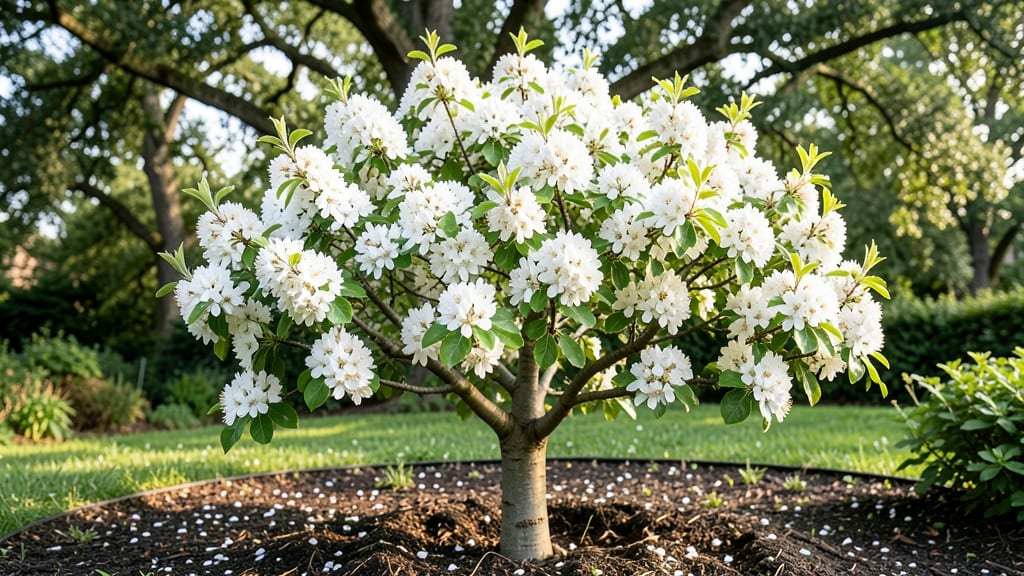
Bartlett pear trees burst into fragrant spring blossoms that transform your yard into a dreamy, pink-hued paradise. 🌸 I’ve watched mine turn neighbors’ heads every April—those delicate white-and-pink blooms signal both beauty and the promise of juicy fruit later in the season.
But here’s the catch: those blossoms are also the tree’s lifeline for next year’s harvest, so getting them right means everything.
The best blooms appear when your tree gets full sun and well-drained soil, plus a little winter chill (200–600 hours below 45°F). Prune in late winter to open the canopy for sunlight, but avoid heavy cuts—too much pruning now can rob the tree of energy for flowering.
My Bartlett thrives in Zone 5, but if you’re in a warmer climate, choose a low-chill variety to ensure those blossoms don’t skip town.
Frost is the real villain here: a late spring freeze can wipe out blossoms overnight, leaving you with no fruit and a sad-looking tree. To protect them, drape frost cloth over the branches on cold nights, or plant your Bartlett where it gets afternoon shade if your spring is unpredictable.
The payoff? By summer, you’ll be feasting on sweet, buttery pears straight from the tree—worth every bit of effort.
Once the blossoms fade, don’t relax—this is when the real work begins. Thin the fruit to prevent overcrowding (leave 6–8 inches between pears), and keep the soil moist but not soggy.
A little mulch around the base helps retain moisture and keeps roots cool. With the right care, your Bartlett will reward you with years of blossoms—and bountiful harvests.
📚 In This Guide
- What you need
- Instructions
- Tips and common mistakes
- Wrapping up and next steps
What you need
- ● Bartlett Pear Tree Sapling or Bare-Root Plant: 1 healthy, disease-free tree (choose a Pyrus communis 'Bartlett' variety)
- ● Age: 1–3 years old for best establishment
- ● Soil Amendments: 5–10 lbs of compost or well-rotted manure
- ● 1 lb of balanced fertilizer (10-10-10 or similar)
- ○ Optional: 1 lb of lime (if soil pH is below 6.0)
- ● Planting Supplies: 1 shovel (for digging)
- ● 1 garden trowel (for precision)
- ● 1 wheelbarrow (for mixing soil)
- ● 2–3 stakes (if needed for young trees)
- ● 1 roll of tree tie material (for securing stakes)
- ● Watering Tools: 1 hose with adjustable nozzle (gentle spray setting)
- ● 1 watering can (for young seedlings)
- ● Pruning Tools: 1 pair of bypass pruners (for clean cuts)
- ● 1 pruning saw (for thicker branches)
- ● 1 disinfectant (rubbing alcohol or bleach solution)
- ● Mulch: 2–3 inches of wood chips or straw (retains moisture, suppresses weeds)
- ● Tree Guard: 1 plastic tree collar (protects trunk from mowers)
- ● Pest Control: Neem oil spray (organic option)
- ● Insecticidal soap (for aphids or mites)
- ● Bloom Enhancers: Epsom salt (1 tbsp per gallon of water, monthly during bloom season)
- ● Pollinator-friendly plants (e.g., lavender, bee balm) to attract bees 🐝
Step-by-Step guide to encouraging Bartlett pear tree blossoms
Here's how to coax those fragrant white blossoms into full, show-stopping bloom every spring.
🌱 Step 1: Prune for Light and Airflow
Start in late winter or early spring before buds swell. Remove any dead, crossing, or inward-growing branches first—these compete with blossoms for energy. I always cut back to an outward-facing bud so new growth heads outward, not inward. Aim to open the center of the tree so sunlight reaches all branches.
Thin out dense areas by removing every other branch where they cluster too closely. You'll know you're doing it right when you can see light filtering through the canopy. Bartlett pears need full sun—at least 6-8 hours daily—to set blossoms properly. If your tree is young, prune more aggressively to establish an open structure early.
☀️ Step 2: Optimize Sunlight and Soil Conditions
Bartlett pears thrive in full sun, but if your tree gets afternoon shade, move it or plant sun-loving companions nearby to reflect light. I've seen blossom production double just by relocating a tree from partial shade to a sunnier spot. The soil should drain well—water should pool for no more than an hour after heavy rain.
Test your soil's pH (ideal is 6.0-7.0). If it's too acidic or alkaline, amend with lime or sulfur as needed. Bartletts also love well-draining, slightly acidic soil rich in organic matter. Work in 2-3 inches of compost around the drip line in early spring to feed next year's blossoms.
💧 Step 3: Water Deeply and Consistently
Water deeply once a week during dry spells, aiming for 1-1.5 inches of water per session. Shallow watering encourages weak roots that can't support heavy blossoms. You'll know you're watering right when the soil feels moist 6 inches down—stick your finger in to check.
Mulch with 2-3 inches of organic mulch (like wood chips) to retain moisture and regulate soil temperature. Keep mulch 6 inches away from the trunk to prevent rot. Avoid overwatering—soggy roots lead to fungal diseases that can kill blossoms before they open.
✂️ Step 4: Thin Fruit to Encourage Blossoms
After blossoms fade, thin fruit to 6-8 inches apart on branches. This might seem counterintuitive, but fewer pears mean the tree puts more energy into next year's blossoms. Remove smaller, misshapen, or diseased fruit first. You'll see stronger growth and more abundant blossoms the following spring.
I also remove water sprouts (suckers that grow straight up) and shoots from the base—these drain energy from blossom production. Prune again lightly in late summer to shape the tree and encourage next year's flower buds to form.
🌿 Step 5: Feed for Next Year’s Blooms
Apply a balanced, slow-release fertilizer (like 10-10-10) in early spring and again in early summer. I use about ½ cup per 100 square feet of canopy. Avoid high-nitrogen fertilizers—they promote leafy growth at the expense of blossoms. Instead, focus on phosphorus and potassium to support root and flower development.
In fall, top-dress with compost or well-rotted manure to replenish nutrients. This gives the tree a steady supply of energy to store for next year's blossoms. Stop fertilizing by mid-summer to allow the tree to harden off for winter.
Tips & tricks for perfect Bartlett pear tree blossoms
These simple strategies will help you transform your Bartlett pear tree into a fragrant spring showstopper.
Pruning Precision: When pruning in Step 1, focus on creating an "open vase" shape—this allows sunlight to reach all branches where blossoms form. I learned this the hard way after years of dense canopies that blocked light from the center. Use sharp pruners and make cuts just outside the bud to encourage outward growth. This single adjustment can double your blossom production!
Sunlight Strategy: Bartlett pears absolutely crave sunlight, especially in Step 2. If your tree gets afternoon shade, consider planting sun-loving perennials nearby like lavender or rosemary—they'll reflect light back onto the tree. I've seen blossom counts jump from 50 to nearly 200 flowers just by moving a tree from partial shade to full sun. The 6-8 hours of sunlight mentioned is non-negotiable for optimal blossoming.
Watering Wisdom: The deep watering technique in Step 3 is crucial—it encourages strong root development that supports heavy blossoms. Here's my trick: water in the morning so the soil has all day to dry slightly before evening. This prevents fungal issues that can kill blossoms before they open. That 6-inch moisture check is your best indicator of proper watering.
Fertilizer Timing: In Step 5, the mid-summer fertilization cutoff is critical. Stopping by mid-summer allows the tree to harden off properly for winter, which actually improves next year's blossom quality. I've noticed trees that get fall fertilizing often produce fewer but larger blossoms, while those that follow the mid-summer cutoff get more abundant, smaller flowers that are more fragrant.
Pro Tips for Bartlett Pear Tree Blossom
- These simple strategies will help you transform your Bartlett pear tree into a fragrant spring showstopper.
- Pruning Precision: When pruning in Step 1, focus on creating an "open vase" shape—this allows sunlight to reach all branches where blossoms form.
- Sunlight Strategy: Bartlett pears absolutely crave sunlight, especially in Step 2.
Frequently asked questions
Got questions about Bartlett pear tree blossoms?
Here are some of the most common ones—plus quick, practical answers to help you make the most of this fragrant spring display.
When do Bartlett pear tree blossoms appear?
Bartlett pear trees typically bloom in early to mid-spring, usually between late March and early May, depending on your climate zone. Warmer regions may see blossoms as early as February, while cooler areas might delay until May. Pro tip: Check your local frost dates—late frosts can damage blossoms, so monitor weather forecasts!
Do I need to protect the blossoms from bees or pests?
While bees are essential for pollination, you can lightly protect blossoms from overzealous pests like aphids or Japanese beetles. Use neem oil or insecticidal soap if needed, but avoid harsh chemicals during bloom. Note: A few pests won’t harm the tree—focus on balance!
Can I plant a Bartlett pear tree if I already have fruit trees nearby?
Yes! Bartlett pears are self-pollinating, but cross-pollination from other pear varieties (like Anjou or Bosc) can boost fruit production. If space is limited, plant a second Bartlett tree for better yields. Bonus: Different blossom colors (white/pink) add visual appeal!
What should I do if frost hits after the blossoms open?
Late frosts (<32°F/0°C) can damage blossoms, but don’t panic! Young trees may recover. For mature trees, cover them with frost cloth at night if frost is forecast. Prune damaged branches in late winter to encourage new growth. Key: Healthy trees bounce back!
Are Bartlett pear blossoms edible or useful for anything?
While not typically eaten, Bartlett blossoms are edible (mild, floral flavor) and can be used in infusions, syrups, or garnishes. However, avoid pesticides if harvesting for culinary use. Fun fact: They’re also a favorite for pollinators—great for gardens!
How do I encourage more blossoms next year?
For abundant blossoms, ensure your tree gets:
- Full sun (6+ hours/day)
- Well-draining soil (amend with compost if needed)
- Regular pruning (remove dead wood in late winter)
- Balanced fertilizer (avoid heavy nitrogen—it reduces blooms!)
Wrapping up and next steps
The Bartlett pear tree’s blossoms are a breathtaking reminder of nature’s beauty—delicate, fragrant, and fleeting. Whether you’re admiring them in your garden, planning to grow your own tree, or simply soaking in their seasonal charm, these blooms offer a sensory delight that brightens spring. 🌸
Ready to embrace the magic? Take the next step:
- 🌱 Plant a Bartlett pear tree—start with a young sapling or graft your own for a future harvest.
- 📸 Capture the moment—share your blossom photos with fellow gardening enthusiasts!
- 🍐 Learn more—explore pear tree care tips to ensure your tree thrives for years.