
Pruning
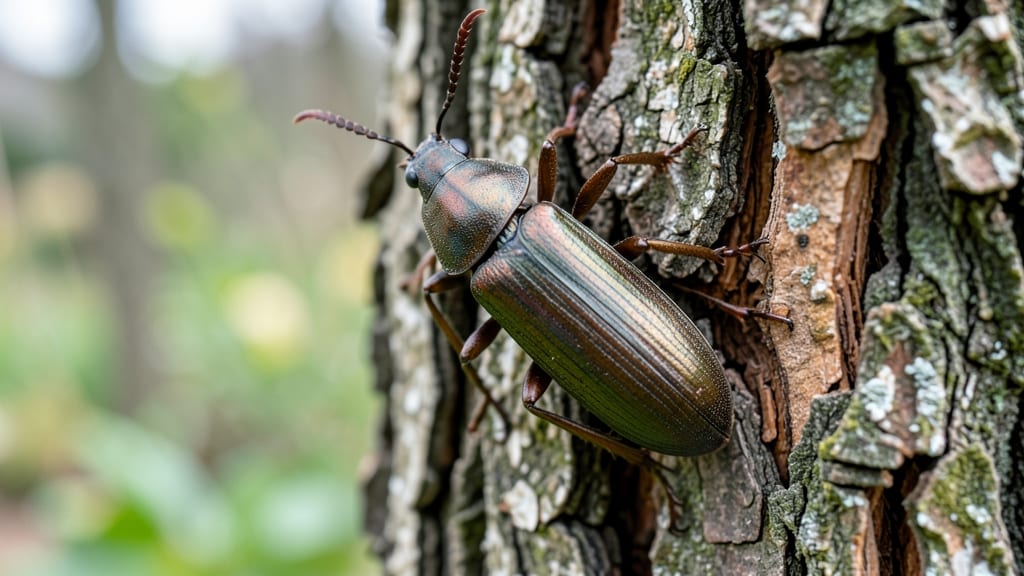
Fruit tree borers turn your orchard into a battleground—sawdust-like frass at the base of your peach tree is the first sign your tree is under siege. 🌳 I’ve seen these pests strip a healthy apple tree of its vigor in just weeks, leaving behind hollow branches and stunted growth.
The key to saving your tree isn’t harsh chemicals but a three-stage natural approach that targets the larvae before they mature.
Most infestations start when adult moths lay eggs in bark cracks or pruning wounds, and their larvae tunnel into the wood, cutting off nutrients. My first battle with borers taught me that prevention—like sealing pruning cuts with pruning paint and keeping trees healthy—is just as critical as treatment.
Weak trees attract borers like a buffet, so focus on watering deeply in drought and fertilizing with compost to build natural defenses.
By the time you spot the frass, the larvae are already feeding, but you can still stop them in their tracks. A simple soap spray or neem oil treatment in early spring smothers eggs before they hatch, while drilling out visible tunnels (yes, it’s tedious) removes the worst offenders.
The real game-changer? Beneficial nematodes, which hunt larvae underground without harming your tree or the environment.
This method works for apple, peach, cherry, and even citrus trees—no matter your climate. The secret is consistency: check for fresh frass every two weeks during growing season, and act fast. With these steps, you’ll save your tree and keep your orchard thriving for years to come.
The Hidden Triggers Behind Tree Damage
Fruit tree borers don’t just appear out of nowhere—they’re drawn to specific conditions that make your trees vulnerable. Understanding these triggers is the first step to preventing an infestation. Below, we break down the key reasons why these pests target your trees, from environmental factors to tree health issues.
Healthy trees have natural defenses that repel borers, but stress weakens these barriers. When trees are compromised, they become prime targets for borer larvae looking for an easy meal.
- Drought Stress: Prolonged dry spells reduce a tree’s ability to produce resin, a sticky substance that traps and suffocates borers. Without it, borers can burrow freely.
- Poor Nutrition: Trees deficient in nitrogen, potassium, or other essential nutrients grow slowly and produce weak wood—perfect for borers to tunnel through.
- Physical Injury: Cuts from pruning, storm damage, or even animal scratches create entry points. Borers detect these wounds and lay eggs nearby, knowing the tree is already struggling.
💡 Pro Tip: Regularly inspect your trees for signs of stress, like yellowing leaves or cracked bark. A deep watering during dry spells and a balanced fertilizer can help restore resilience.
Borers thrive in environments where trees are crowded or poorly maintained. Overgrown branches and dense canopies create the perfect hiding spots for adult moths (the borers’ adult stage) to lay eggs unnoticed.
- Excessive Shade: When trees are too close together, they compete for sunlight, leading to weak growth. Shaded branches are more susceptible to borer attacks because they’re already struggling.
- Dead or Dying Wood: Borers prefer decaying wood, as it’s easier to penetrate. If you’ve neglected to prune dead branches, you’re essentially inviting them in.
- Improper Pruning Cuts: Jagged or overly large cuts leave trees vulnerable to infections and borers. Always prune at the right angle and avoid removing more than 25% of the canopy in one session.
🔥 Action Step: Thin out overcrowded branches to improve airflow and sunlight exposure. Remove any dead wood immediately—borers can detect it within hours of an egg being laid!
Borers are opportunistic pests, but they prefer specific conditions that make your trees irresistible. Temperature, humidity, and even soil type play a role in their lifecycle.
- Warm Climates: Most fruit tree borers (like the peach tree borer or flatheaded apple tree borer) are most active in warm, humid conditions. Spring and early summer are peak seasons for infestations.
- Moisture-Retentive Soil: Borers lay eggs in crevices where moisture lingers. If your soil stays damp (due to poor drainage or overwatering), you’re creating a borer paradise.
- Young or Newly Planted Trees: Borers target young trees because their bark is softer and easier to penetrate. Newly planted trees, in particular, lack the resilience of mature ones.
🌡️ Climate Hack: If you live in a warm, humid region, monitor your trees closely during spring. Mulching with coarse materials (like wood chips) can help regulate soil moisture while keeping borers at bay.
Borers don’t work alone—they multiply and spread rapidly once they find a suitable host. One infested tree can become a breeding ground, leading to a full-blown outbreak in your orchard or garden.
- Adult Moths Fly Far: Female borers can travel up to half a mile to find a new tree to lay eggs. If one tree is infested, nearby trees are at risk within weeks.
- Larvae Migrate: Once hatched, borer larvae can move between trees by crawling along branches or even hitching a ride on birds or tools.
- Firewood and Nursery Stock: Unknowingly bringing infested wood or plants into your garden is a common way borers hitch a ride. Always inspect new additions before planting.
🚨 Emergency Action: If you spot frass (sawdust-like borer droppings) or exit holes, isolate the tree immediately. Remove and destroy heavily infested branches (don’t compost them!) to prevent spread.
Natural Ways to Stop Tree-Wrecking Pests
Fruit tree borers may feel like an unstoppable force, but with the right approach, you can reclaim your trees—without harsh chemicals. The key is acting fast, combining prevention, early intervention, and organic treatments to break their life cycle.
Below, we map the most common causes of infestations to practical, step-by-step fixes, ranked from easiest to most involved.
Cause: You spotted sawdust-like frass, tiny holes, or wilting branches but no major dieback yet. Solution: Act now to starve and suffocate borers before they tunnel deeper.
- 🔥 Prune Infested Branches Aggressively
- Use sterilized pruning shears to cut 6–12 inches beyond visible damage (borers may hide inside).
- Burn or bag the cuttings immediately—do not compost (eggs can survive).
- Pro Tip: Prune on a dry, sunny day to speed up wound healing.
- 🍳 Apply Diatomaceous Earth (DE) Barrier
- Sprinkle food-grade DE around the trunk, branch cracks, and pruning wounds.
- Reapply after rain (DE needs dry conditions to work).
- Why it works: DE’s microscopic particles dehydrate borer larvae on contact.
- 👨🍳 Use Beneficial Nematodes (Microscopic Allies)
- Mix Heterorhabditis bacteriophora nematodes with water and apply to soil around the base or directly into borer holes.
- Best done in early evening (they avoid light).
- Bonus: These nematodes also target grubs and root maggots.
Cause: You see oozing sap, large exit holes, or 20–30% branch dieback. Solution: Combine physical removal + organic pesticides to weaken their hold.
- ⏰ Flood Borer Holes with Mineral Oil or Horticultural Oil
- Drill 1/8-inch holes into active tunnels (use a hand drill or ice pick).
- Fill holes with mineral oil or neem oil—this smothers larvae and disrupts their breathing.
- Warning: Do this in late summer/early fall (avoid winter—oil can freeze).
- 🔪 Install Banding Traps for Adults
- Wrap sticky tree bands (or aluminum foil) around the trunk 2–3 feet above ground.
- Check weekly and remove trapped adults (they lay eggs that hatch into borers).
- DIY Hack: Use duct tape coated in petroleum jelly as a budget-friendly alternative.
- 🌡️ Boost Tree Immunity with Mycorrhizal Fungi
- Apply mycorrhizal inoculant to roots to strengthen the tree’s defense system.
- Pair with a balanced fertilizer (high in phosphorus and potassium) to promote faster healing.
- Science Note: Healthy trees resist borers better—think of it as a natural vaccine.
Cause: You’ve eliminated current borers but want to prevent future attacks. Solution: Break their life cycle with year-round habits and smart tree care.
- 💡 Maintain Pruning Hygiene Year-Round
- Seal pruning wounds with pruning sealant (or bee’s wax) to block entry points.
- Avoid topping trees (stumps attract borers)—always make clean cuts at branch collars.
- Seasonal Tip: Prune in late winter/early spring (before borers emerge).
- 🎯 Encourage Natural Predators
- Plant borer-resistant companion plants like marigolds, basil, or lavender near fruit trees.
- Attract woodpeckers and parasitic wasps (they eat borer larvae).
- Easy Win: Leave some dead wood in your yard—it shelters predator insects.
- ✨ Soil Health = Borer Defense
- Aerate compacted soil (borers thrive in stressed trees).
- Add compost or worm castings to improve root vitality.
- Farmers’ Secret: A thick mulch ring (3–4 inches) confuses borers and retains moisture.
- ❌ Ignoring small holes → Borers tunnel deeper, making treatment harder.
- ❌ Using untreated wood chips → Old stumps/chips can harbor borer eggs.
- ❌ Over-fertilizing with nitrogen → Soft, fast growth attracts borers.
- ❌ Skipping post-treatment checks → Reapply DE/oil every 4–6 weeks in borer season (spring/summer).
Final Reminder: Borers are opportunists—they target weak, wounded, or neglected trees. By combining prevention, early action, and organic strengtheners, you can outsmart them without chemicals. 🌱🔨
Frequently asked questions
What do fruit tree borer holes look like?
Look for small, 1/8-inch diameter holes in the bark, often surrounded by sawdust-like frass (borer droppings). Active tunnels may ooze sap or have exit holes with chewed edges. Check branch crotches and trunk bases first—they’re favorite entry points.
Can I use neem oil to kill fruit tree borers?
Yes! Neem oil disrupts borer larvae by blocking their breathing and growth hormones. Mix 2 tablespoons per gallon of water with a drop of dish soap, then spray directly into borer holes and cracks during late summer when larvae are most vulnerable. Reapply every 2-3 weeks for best results.
How long does it take to see results from borer treatments?
For early-stage infestations (small holes, frass), you may see improvement in 2-4 weeks with consistent treatments. Severe cases with large tunnels or sap oozing require 6-8 weeks of combined methods (like nematodes + pruning) to fully recover. Monitor trees closely during spring/summer—that’s when borers are most active.
Are there any fruit trees less prone to borers?
While no tree is completely borer-proof, citrus trees and figs are less commonly targeted than peaches or apples. Dwarf varieties also have smaller trunks, making them harder for borers to penetrate. The best defense is maintaining tree health—strong trees naturally repel pests better than stressed ones.
What should I do if my tree is already dead from borers?
Remove the tree immediately to prevent borers from spreading to nearby plants. Burn or chip the wood (don’t compost—eggs can survive). Plant a borer-resistant replacement in the same spot, but choose a different species (e.g., if peach died, try a plum or cherry instead). Always inspect new trees before planting!