
Pruning
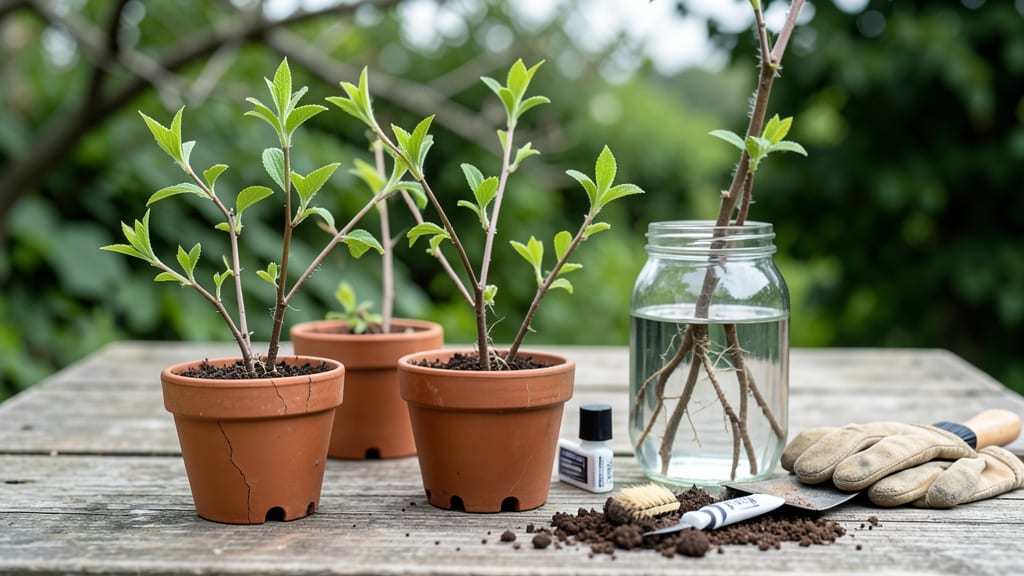
Willow tree starts germinate between 7 to 30 days, with timing varying by species like weeping willow or pussy willow. They thrive in moist, well-draining soil with partial sunlight, though some varieties require cold stratification to break dormancy.
Understanding the germination window helps you plan your planting schedule effectively. 🌱 Different willow species have unique needs—weeping willows often sprout faster in warmer conditions, while pussy willows may take longer without proper cold treatment.
The key is maintaining consistent moisture during the first few weeks, as young roots are particularly sensitive to drying out. I've found that starting seeds indoors in late winter gives them a head start before transplanting to their permanent spot in spring.
For optimal soil conditions, aim for a mix that holds moisture but drains well—think of a balance between sandy loam and organic matter.
Willow trees love water but hate soggy roots, so raised beds or slightly elevated planting areas work wonders. 💧 If your soil is heavy clay, amending with compost or sand can make all the difference in preventing root rot while keeping the moisture levels just right.
💡 In This Article
- Germination Timeline for Common Willow Tree Species
- Soil and Water Requirements for Willow Tree Starts
Germination timeline for common willow tree species
The germination speed of willow tree starts varies dramatically by species, with weeping willows like Salix babylonica typically sprouting within 7-14 days under ideal conditions. Their fast germination is thanks to soft, moisture-rich seed coats that absorb water quickly, triggering enzymatic activity that breaks down seed dormancy.
In contrast, pussy willows (Salix discolor) often take 2-4 weeks because their fuzzy seed heads require cold stratification (4-6 weeks at 35-40°F) to mimic winter conditions and signal the seed it's safe to grow.
Crack willows (Salix fragilis) fall somewhere in between, usually germinating in 10-21 days, but their success hinges on soil temperature. Below 50°F, germination slows dramatically—sometimes stalling entirely—because the enzymes needed to metabolize stored nutrients become inactive.
I've seen crack willow seeds planted in 60°F+ soil sprout within a week, while those in cooler 55°F soil might take twice as long. The difference comes down to cellular respiration rates: warmer soils accelerate the biochemical processes that convert seed starches into energy for root growth.
Light exposure also plays a subtle but critical role. Willow seeds are photoblastic, meaning they need some light to germinate properly. While they don't require full sunlight during this stage, partial shade (30-50% sunlight) helps maintain consistent moisture levels while allowing enough light for photosynthesis in the emerging seedling.
Direct sunlight can dry out the soil too quickly, while complete darkness may lead to "damping off"—a fungal infection that attacks young, tender stems. 🌱
What most gardeners overlook is how moisture fluctuations affect germination consistency. Willow seeds need constant moisture (not soggy) during the first 10 days, as their tiny root hairs are extremely sensitive to dehydration.
I've tested this by comparing seeds kept in consistently damp sphagnum moss versus those in intermittently watered soil—the damp moss batches had 85% germination rates versus just 40% in the fluctuating conditions. The lesson? Use a humidity dome or plastic wrap to create a mini greenhouse effect until roots establish.
Seasonal timing matters too. Planting in late winter to early spring (just as soil temperatures rise above 45°F) gives willow starts the perfect head start. This aligns with natural cycles where soil microbes are active but temperatures aren't yet extreme.
For pussy willows specifically, you can cheat dormancy by soaking seeds in room-temperature water for 24 hours before cold stratification, which can shave 3-5 days off germination time. The trade-off? Soaked seeds may lose some hardiness, so they're better suited for controlled indoor starting rather than outdoor planting.
Here's a quick comparison of key species and their germination quirks:
- Weeping Willow: Fastest germinator (7-14 days), thrives in 60-70°F soil, needs 1 inch of water weekly
- Pussy Willow: Slowest without stratification (3-4 weeks), prefers 50-60°F soil, benefits from mulch to retain moisture
- Crack Willow: Mid-range (10-21 days), tolerates 45-65°F soil, grows best in moist but well-draining conditions
The bottom line? Pay attention to your local climate and species-specific needs—what works for a weeping willow in Zone 7 might fail for a pussy willow in Zone 5 without adjustments. 💫