
How To
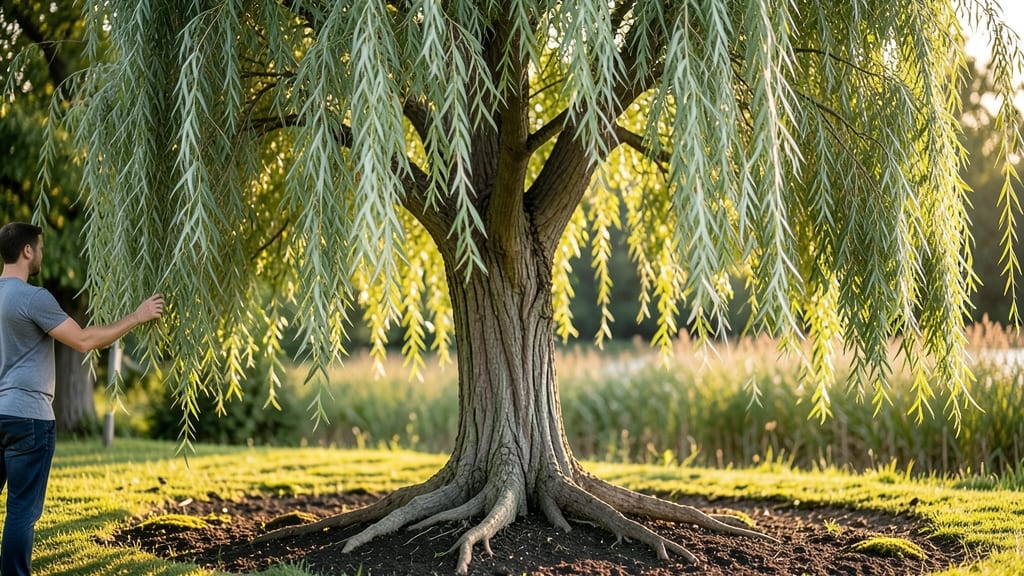
How tall does a willow tree grow? The answer might surprise you—some varieties can dwarf even the tallest buildings, with certain species reaching over 50 feet in just a few decades.
If you’ve ever imagined a tree that grows fast enough to cast shade in a single season, you’re not dreaming—willow trees like the weeping willow or crack willow can shoot up 8 feet per year under ideal conditions.
But not all willows are giants: some stay under 15 feet, making them perfect for small yards or urban spaces.
What you plant—and where—determines whether your willow becomes a towering landscape centerpiece or a manageable accent. Soil moisture, pruning habits, and even your local climate can push a tree toward its skyward limit or keep it grounded.
Below, I break down the fastest-growing species, how to control their height, and the surprising tricks that keep them from overtaking your property.
Ready to pick a willow that fits your space? You’ll find out which varieties grow the fastest, how to prune for controlled growth, and when to expect that first 30-foot milestone—plus the one mistake that turns a willow into an unruly monster.

Willow tree height by variety: fastest-growing species and their maximum heights
Willow trees are famous for their dramatic height—some varieties grow so fast they can double in height within a single growing season. But not all willows reach skyscraper status.
The weeping willow (Salix babylonica) might top 50 feet, while dwarf varieties like the pussy willow stay under 10 feet. Understanding these differences helps you choose the right willow for your space, whether you need a privacy screen or a small ornamental tree.
Below is a breakdown of 10+ willow varieties, their maximum heights, and growth rates—so you can predict how tall your willow will become and how quickly. I’ve included scientific names and common nicknames to avoid confusion, because let’s face it, willows go by a lot of names!
| Variety (Scientific Name) | Common Nickname | Mature Height Range | Annual Growth Rate | Best For |
|---|---|---|---|---|
| Weeping Willow (Salix babylonica) | Babylon Willow, Crying Willow | 40–75 ft | 3–6 ft/year | Privacy screens, ponds |
| Crack Willow (Salix fragilis) | Fragile Willow, Brittle Willow | 50–65 ft | 6–8 ft/year | Fast growth, erosion control |
| White Willow (Salix alba) | Silver Willow, Basket Willow | 40–60 ft | 2–4 ft/year | Traditional medicine, landscapes |
| Pussy Willow (Salix discolor) | Dwarf Willow, Early Willow | 6–12 ft | 1–2 ft/year | Small gardens, cut flowers |
| Purple Willow (Salix purpurea) | Purple Osier, Violet Willow | 10–15 ft | 2–3 ft/year | Ornamental, wildlife habitat |
| Coastal Plain Willow (Salix caroliniana) | Coastal Willow, Sandbar Willow | 20–30 ft | 3–5 ft/year | Wetlands, erosion control |
| Golden Willow (Salix alba 'Tristis') | Golden Weeping Willow | 25–40 ft | 2–4 ft/year | Ornamental, golden foliage |
| Black Willow (Salix nigra) | Water Willow, Swamp Willow | 30–50 ft | 2–3 ft/year | Wet soil, wildlife |
| Dappled Willow (Salix integra 'Hakuro-Nishiki') | Variegated Willow | 6–10 ft | 1–2 ft/year | Bonsai, small spaces |
| Peachleaf Willow (Salix amygdaloides) | Peach Willow, Early Willow | 20–30 ft | 3–4 ft/year | Early spring color |
The weeping willow (Salix babylonica) is the undisputed champion of height, often reaching 50–75 feet with its iconic drooping branches. If you’re dreaming of a pondside giant, this is your tree—but be warned, its roots are just as aggressive as its height.
For something more manageable, the pussy willow (Salix discolor) stays compact at 6–12 feet, making it perfect for small yards or containers.
Fastest growers like the crack willow (Salix fragilis) can add 6–8 feet per year, turning a sapling into a towering tree in just a few seasons.
This makes them ideal for quick privacy screens or erosion control along streams. However, their rapid growth means you’ll need to prune regularly to keep them in check.
If you’re in a dry climate, the white willow (Salix alba*) is a great choice, though it grows more slowly at 2–4 feet per year. Its silver bark adds winter interest, and it’s drought-tolerant once established. For colorful foliage, the purple
How fast do willow trees grow? Growth rates by age and environmental factors
Willow trees are among the fastest-growing trees on the planet, with some varieties shooting up 6–10 feet in their first year alone. Their rapid growth makes them popular for erosion control, privacy screens, and even living fences—but it also means they can quickly outgrow their welcome.
Understanding their growth rates helps you plan for their mature size and manage expectations.
Most willow species follow a predictable growth pattern: explosive early growth that slows as they mature. By year 3, they may reach 25–35 feet, and within a decade, many varieties top 40 feet.
However, environmental factors like soil moisture, sunlight exposure, and climate can dramatically accelerate or slow their ascent. Let’s break down what to expect year by year—and how to optimize conditions for the fastest growth.
- 1 Year 1: 6–10 feet (fastest growth phase; crack willows can exceed 12 feet).
- 2 Year 2: 15–20 feet (doubles height; ideal conditions add 5+ extra feet).
- 3 Year 3: 25–35 feet (growth rate slows but remains rapid; pruning can redirect energy).
- 4 Year 5: 35–45 feet (mature height for many varieties; weeping willows may exceed 50 feet).
- 5 Year 10+: 50+ feet (some crack willows hit 80–100 feet with perfect conditions).
🌱 Key Factor: Moist, sunny soil = 3x faster growth.
Soil moisture is the single biggest factor in willow growth. These trees thrive in wet or boggy soil, where their roots can absorb water efficiently.
Planting near a pond, stream, or even a well-watered garden bed can push growth rates to 8+ feet per year in crack willows (Salix fragilis). Conversely, dry or compacted soil stunts growth by 50%, leaving you with a leggy, underperforming tree.
Sunlight also plays a critical role. Willow trees need full sun (6+ hours daily) to fuel their rapid vertical growth. In shady conditions, their growth rate drops by 30–40%, and they may develop weak, sprawling branches.
If you’re growing willows in an urban setting, choose a south-facing location or supplement with grow lights to maintain speed.
Climate matters too. Willow trees grow fastest in USDA zones 5–8, where mild winters and long growing seasons allow year-round (or near-year-round) growth. In colder zones, growth slows significantly in winter, but they’ll bounce back aggressively in spring.
For example, a weeping willow in zone 6 might add 12 feet in its first year but only 3–5 feet in zone 4 due to shorter summers.
To maximize growth, combine these strategies: plant in moist, well-draining soil, ensure full sun exposure, and avoid pruning in the first 2–3 years. If you’re aiming for a privacy screen or erosion control, let them grow wild—they’ll reward you with fast, lush coverage.
Just be prepared for their skyward ambition! 🌳