
Trees
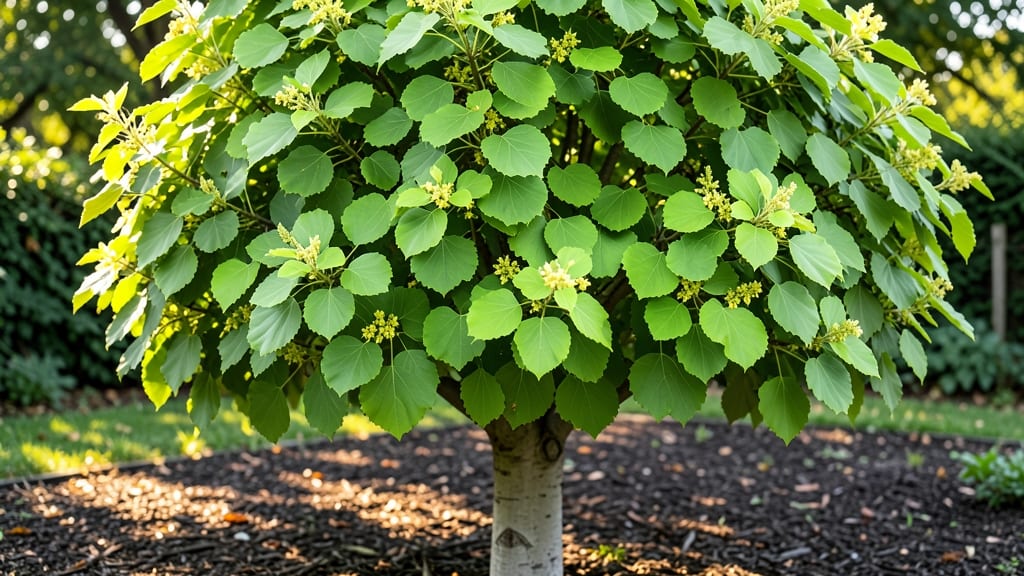
That pale lime-green glow on your tree's leaves isn't just a color—it's a message. 🌿 I've seen this telltale sign on five different species, each with its own story about what's going wrong (and how to fix it).
The first step is identifying whether it's your maple, birch, or one of the others that commonly turn this shade when stressed.
Most lime-green leaves point to nutrient deficiencies—usually nitrogen or magnesium—but pests like spider mites or environmental factors like compacted soil can trigger it too.
My birch tree turned this shade after a summer drought, and within weeks of proper watering and a balanced fertilizer, the leaves darkened back to vibrant green. The key is acting before the problem spreads to new growth.
You'll restore that rich green color by addressing the root cause: whether it's adjusting your watering schedule, applying the right fertilizer, or treating for pests. For example, lime-green on a maple often means iron deficiency, while on a birch, it's usually moisture stress.
Each species has its own triggers, but the solutions follow the same logic: feed, hydrate, and protect.
Start by examining the leaves closely—look for discoloration patterns, leaf edges, or new growth color. That's where you'll find the clues. Once you know what your tree needs, recovery is faster than you'd expect.
Your tree will be back to its healthy self in just a few weeks with the right care.
Root Causes of Unusual Leaf Color
When your tree’s leaves turn an unexpected lime green, it’s rarely a coincidence—it’s a signal from the plant itself. Whether it’s a nutrient imbalance, environmental stress, or even a sign of health, understanding the why behind this color shift helps you take the right corrective action.
Below, we break down the most common reasons your tree’s foliage might be flashing neon, along with clear explanations and actionable insights.
A bright lime-green hue is often a red flag for nutrient deficiencies, particularly nitrogen, magnesium, or iron. Trees absorb these nutrients through their roots, and when one is lacking, the leaves react by altering their chlorophyll production.
- Nitrogen Shortage (💡 The Most Common Culprit) - What’s happening? Nitrogen is the building block of chlorophyll, the pigment responsible for green color.
Without enough, leaves produce less chlorophyll and may turn pale green, yellow, or even lime-green in severe cases. - How to spot it: New growth appears lighter than mature leaves, and overall growth slows. - Fix it: Apply a balanced fertilizer (10-10-10 or 20-20-20) in early spring.
For organic options, use compost, manure tea, or fish emulsion. Avoid over-fertilizing—too much can burn roots!
- Magnesium or Iron Deficiency (🍃 The Yellow-Between-Veins Lookalike) - What’s happening? Magnesium and iron are essential for chlorophyll synthesis.
A deficiency often starts as interveinal chlorosis (yellowing between veins), but in some cases—especially in acid-loving trees like azaleas or rhododendrons—leaves may turn lime-green instead of yellow. - How to spot it: Older leaves show symptoms first, with veins staying green while tissue turns pale or lime. - Fix it: - For magnesium: Apply Epsom salt (magnesium sulfate) to the soil (1 tbsp per gallon of water, applied every 2-3 months). - For iron: Use chelated iron supplements (like iron EDTA) or sulfur-based fertilizers for acid-loving plants.
Trees are sensitive to light conditions, and extreme sun exposure or sudden shade changes can trigger a lime-green response as the plant adjusts its chlorophyll levels.
- Excessive Sunlight (🔥 Sunburn in Disguise)
- How to spot it: Leaves may also show scorch marks, crisp edges, or a glossy sheen.
- Fix it: Provide partial shade with a light fabric shade cloth (30-50%) or move potted trees to a more sheltered spot.
If placed in deep shade, they may produce small, pale, or lime-green leaves due to reduced photosynthesis. - How to spot it: New growth is spindly, weak, and lacks vibrancy. - Fix it: Relocate the tree to a sunnier spot (6+ hours of direct sun for full-sun plants).
If repotting, choose a lighter, well-draining soil to encourage root growth.
Water stress—whether from overwatering or underwatering—can disrupt nutrient uptake and lead to lime-green leaves as the tree struggles to maintain healthy chlorophyll.
- Overwatering (🌧️ Root Suffocation) - What’s happening? Too much water starves roots of oxygen, preventing them from absorbing nutrients like nitrogen and iron.
The tree compensates by producing less chlorophyll, resulting in pale or lime-green leaves. - How to spot it: Soil feels soggy, leaves may yellow at the edges, and roots smell rotten. - Fix it: - Improve drainage by amending soil with perlite, sand, or compost. - Ensure pots have drainage holes and water only when the top 2 inches of soil are dry. - Avoid watering on a schedule—check moisture levels first!
- Underwatering (🏜️ The Slow-Motion Dehydration)
- How to spot it: Leaves feel dry or crispy, soil is bone-dry, and the tree drops leaves easily.
- Fix it:
- Water
- Use mulch (2-3 inches) to retain moisture.
- For potted trees, soak the pot until water drains from the bottom.
Sometimes, insects or pathogens feed on your tree’s nutrients, leaving leaves lime-green as a distress signal.
- Sap-Sucking Pests (🐜 Aphids, Spider Mites, or Scale) - What’s happening? These pests extract sap, weakening the tree and reducing its ability to produce healthy chlorophyll.
The tree may respond with pale or lime-green leaves as it struggles to recover. - How to spot it: Look for sticky residue (honeydew), tiny webs, or black sooty mold on leaves. - Fix it: - Blast pests off with a strong spray of water. - Use neem oil or insecticidal soap (apply in the evening to avoid harming beneficial insects). - Introduce predatory insects (like ladybugs) for natural control.
- Fungal or Bacterial Infections (🍄 The Silent Invaders)
- How to spot it: Leaves may have spots, lesions, or unusual patterns alongside the color change.
- Fix it:
- Remove
- Apply copper fungicide or bactericide as a preventive spray.
- Improve air circulation by pruning dense branches.
Not all lime-green leaves are a cause for alarm! Some trees naturally produce lighter foliage due to genetics or seasonal changes.
- Variegated or Cultivar Traits (🎨 Nature’s Art Project)
- How to spot it: The color is consistent across all leaves and doesn’t worsen over time.
- Fix it: No action needed! Enjoy the unique foliage—just ensure the tree gets proper care for its specific needs.
Pro Tip: 💡 Keep a plant journal! Track when the lime-green appears, recent care changes, and environmental shifts. This helps pinpoint the exact cause faster next time.
Revive Your Tree’s Vibrant Health
When your tree’s leaves turn a striking lime green, it’s often a sign that something needs adjustment—but don’t panic! With the right approach, you can restore your tree’s natural color and vitality.
Below, we’ve mapped out practical solutions tailored to the most common causes, along with prevention tips to keep your tree thriving long-term.
Fix it: 🔥 Step 1: Check the Soil Moisture Use your fingers to test the soil 2–3 inches deep. If it feels soggy or smells musty, your tree is getting too much water. Lime-green leaves often signal root suffocation from excess moisture.
🍳 Step 2: Adjust Your Watering Routine
- Water only when the top 1–2 inches of soil are dry (stick your finger in to test).
- Reduce frequency—trees often need less water than we think, especially mature ones.
- For container-grown trees, ensure drainage holes are present and functioning.
👨🍳 Step 3: Improve Soil Drainage Amend heavy or compacted soil with organic matter like compost, coconut coir, or perlite. This helps water drain faster and prevents root rot.
🥘 Step 4: Consider Raised Beds or Mounds If your tree is in a low-lying area, create a slight mound of soil around the base to encourage better drainage.
⏰ Step 5: Monitor for 2–4 Weeks Lime-green leaves may take time to revert to normal. If yellowing or wilting persists, consult a local arborist to rule out fungal root rot.
💡 Prevention Tip: Install French drains or swales around the tree’s base if your yard is prone to pooling water. Mulch 3–4 inches deep (but keep it away from the trunk) to regulate soil temperature and moisture.
Fix it: 🔥 Step 1: Conduct a Soil Test Purchase a DIY soil test kit (available at garden centers) or send a sample to your local Cooperative Extension Service. This will reveal nitrogen (N), iron (Fe), or magnesium (Mg) deficiencies, which often cause lime-green leaves.
🍳 Step 2: Fertilize Correctly - For nitrogen deficiency: Apply a balanced fertilizer (10-10-10 or 20-20-20) in early spring. Follow package instructions for dosage. - For iron deficiency (chlorosis): Use an iron supplement like iron chelate or sulfate.
Liquid fertilizers work faster than granules. - For magnesium deficiency: Sprinkle Epsom salt (magnesium sulfate) around the base (1 tbsp per gallon of water, applied monthly).
👨🍳 Step 3: Boost Organic Matter Mix compost or well-rotted manure into the top 6 inches of soil. This improves nutrient availability naturally.
🥘 Step 4: Adjust pH if Needed Lime-green leaves can also signal alkaline soil, which locks out iron and manganese.
Test your soil’s pH: - If pH > 7.0 (alkaline): Add elemental sulfur or peat moss to lower pH gradually. - If pH < 6.0 (acidic): Mix in wood ash or crushed limestone sparingly.
💡 Prevention Tip: Feed your tree seasonally—spring and early summer are ideal. Avoid over-fertilizing, which can burn roots and worsen nutrient imbalances.
Fix it: 🔥 Step 1: Assess the Location Lime-green leaves can appear if your tree is too hot, too cold, or in direct harsh sunlight. Check for:
- Scorched edges (sunburn).
- Wilting or crispy leaves (heat stress).
- Pale, thin leaves (lack of light).
🍳 Step 2: Adjust Sun Exposure
- For sun-sensitive trees (e.g., Japanese maple, dogwood): Provide dappled shade with sheer curtains or nearby taller trees.
- For heat-loving trees (e.g., crape myrtle, oak): Ensure they’re in full sun (6+ hours/day) but water deeply during heatwaves.
👨🍳 Step 3: Protect from Extreme Conditions
- Cold snaps: Wrap young trees in burlap or use tree guards to shield from wind.
- Heatwaves: Apply a mulch ring and water deeply at the roots (not the leaves) to retain moisture.
🥘 Step 4: Acclimate Gradually If moving a potted tree, harden it off over 7–10 days before placing it in full sun or cold conditions.
💡 Prevention Tip: Choose native or climate-adapted trees for your region. They’re naturally resilient to local temperature swings!
Fix it: 🔥 Step 1: Inspect for Pests Common culprits include:
- Spider mites (tiny webs on undersides of leaves).
- Aphids (sticky residue, curled leaves).
- Scale insects (brown bumps on stems).
- Japanese beetles (skeletonized leaves).
🍳 Step 2: Treat Infestations
- For soft-bodied pests (aphids, mites): Spray with neem oil or insecticidal soap (follow label rates).
- For armored pests (scale): Use horticultural oil in dormant season.
- For beetles: Handpick or use pyrethrin-based sprays.
👨🍳 Step 3: Prune Damaged Areas Remove yellowed, spotted, or chewed leaves and destroy them (don’t compost!). Sterilize pruners with rubbing alcohol to prevent spreading disease.
🥘 Step 4: Strengthen Tree Health A healthy tree resists pests better. Ensure proper:
- Watering (deep, infrequent).
- Fertilizing (balanced nutrients).
- Mulching (3–4 inches, not touching the trunk).
💡 Prevention Tip: Encourage beneficial insects like ladybugs and lacewings by planting companion flowers (e.g., marigolds, dill). Avoid overusing broad-spectrum pesticides, which harm helpful bugs too!
- Prune strategically: Remove only dead or diseased branches to improve airflow and light penetration.
- Avoid over-pruning: Never trim more than 25% of the canopy in one season.
- Mulch properly: Use wood chips or straw, keeping it 3–4 inches deep and 6 inches away from the trunk.
- Monitor regularly: Check leaves weekly for changes in color, texture, or pests.
Remember: Lime-green leaves are often a correctable issue, not a death sentence! With patience and the right care, your tree can bounce back to its usual lush, healthy self. 🌿💚
Frequently asked questions
Why do some trees naturally have lime-green leaves?
Certain tree varieties are bred or naturally develop lime-green foliage as a genetic trait. Examples include the 'Aureomarginata' Japanese maple or 'Lime Glow' boxwood. These trees maintain their unique color year-round without any care issues. The key difference? Their leaves stay consistently pale and never darken over time.
Can lime-green leaves spread to other trees in my yard?
Not typically through direct contact, but pests or diseases causing lime-green leaves (like spider mites or fungal infections) can spread. If your affected tree has visible pests or sticky residue, treat it immediately and inspect nearby trees. Fungal spores may travel via wind or tools, so sterilize pruners between trees.
How quickly should I expect to see improvement after fixing the problem?
Results vary by cause: nutrient deficiencies show improvement in 2-4 weeks with proper fertilization, while pest treatments may take 1-2 weeks to fully eliminate symptoms. For water-related issues, recovery can happen within 7-10 days of adjusting your routine. Always monitor new growth for color changes.
Is Epsom salt safe to use on all trees with lime-green leaves?
No—Epsom salt (magnesium sulfate) should only be used if you've confirmed a magnesium deficiency through soil testing. For trees needing iron (common in alkaline soils), it can actually worsen the problem. Always test first and match treatments to your tree's specific nutrient needs.
What's the first thing I should check if my tree develops lime-green leaves?
Start with a soil moisture test—stick your finger 2-3 inches deep. If soggy, you're overwatering; if dry, it's underwatering. Next, inspect leaves for pests (tiny webs, spots) or signs of sunburn (scorched edges). This quick check helps narrow down the most likely cause before testing soil nutrients.