
Trees
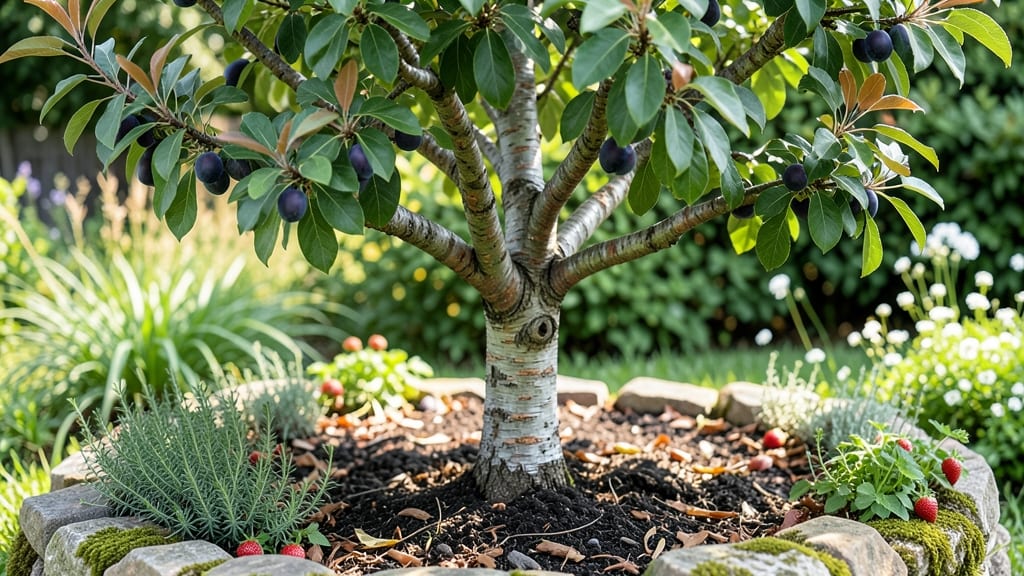
To identify plum tree leaves, focus on their oval shape with finely serrated edges and a velvety texture—here’s how to spot them accurately. 🌿 I’ve spent years distinguishing them from cherries and apricots, and the key lies in those tiny details: the leaf shape, vein pattern, and even the way they attach to the stem.
A quick look at these features will tell you whether you’re dealing with a European plum, Japanese plum, or one of the many hybrids out there.
The average plum leaf measures 2–4 inches long, with a pointed tip and a slightly asymmetrical base where it meets the stem. Look for prominent veins that branch out like a feather, and check the edges—they’re jagged but not jagged enough to confuse with a hawthorn.
Discoloration, spots, or curled edges? Those might signal pests or diseases, and knowing your plum species helps you treat it right.
Confusing plum leaves with cherry or apricot? Start with the leaf attachment—plums have a short, stubby stem (petiole), while cherries and apricots often have longer ones. Snap a photo and compare it to a plant ID app, or bring a sample to your local extension office for confirmation.
Once you’ve got it nailed down, you’ll know exactly how to prune, fertilize, and care for your tree.
This works for backyard trees, urban plantings, or even wild specimens—just grab a leaf, hold it up to the light, and let the details do the talking. No fancy tools needed, just your eyes and a little practice. Let’s get identifying!
Understanding Leaf Trouble in Plums
Plum trees are prized for their lush foliage and delicious fruit, but when their leaves start looking off, it can signal deeper issues. 🌿 Understanding the root causes—whether biological, environmental, or nutritional—helps you diagnose problems accurately and take corrective action.
Below, we break down the most common reasons plum tree leaves develop unusual colors, spots, or deformities, along with the science behind them.
Plum trees are susceptible to a variety of pathogens that thrive in moist, warm conditions. These infections often manifest as discolored patches, lesions, or premature leaf drop.
🍄 Powdery Mildew: The White Flour Dust
- What it is: A fungal disease caused by Podosphaera oxyacanthae or Sphaerotheca pannosa, which forms a white, powdery coating on leaves.
- Why it happens: Fungi like powdery mildew spread rapidly in high humidity (70-80%) and poor air circulation.
They also exploit weakened trees—stressed by drought, overcrowding, or nutrient deficiencies. - Key signs: White, talcum-like patches on upper leaf surfaces, often starting on younger leaves.
Infected leaves may yellow and curl. - Actionable fix: Prune for airflow, apply neem oil or sulfur-based fungicides (preventative), and avoid overhead watering.
🍒 Bacterial Leaf Spot: The Brown Bullseye
- What it is: Caused by Xanthomonas or Pseudomonas bacteria, leading to water-soaked spots that turn brown and crinkled.
- Why it happens: Bacteria enter through leaf wounds (e.g., from hail, pruning cuts, or insect damage) or splashing rain.
Warm, wet springs accelerate outbreaks. - Key signs: Small, greasy brown spots with yellow halos, often on older leaves. Severe cases cause leaf scorch and defoliation. - Actionable fix: Remove infected leaves immediately, sterilize pruning tools with 70% alcohol, and use copper-based bactericides as a preventative spray.
🍃 Anthracnose: The Dark, Sunken Lesions
- What it is: A fungal disease (Gloeosporium spp.) that creates dark, sunken spots with concentric rings.
- Why it happens: Thrives in cool, wet conditions (50-70°F) and attacks trees already stressed by poor drainage or compacted soil.
- Key signs: Target-like lesions (dark centers with lighter borders), often on lower leaves.
Leaves may drop prematurely. - Actionable fix: Improve drainage, mulch properly (2-3 inches of organic mulch), and apply fungicides with chlorothalonil at bud break.
Plum trees are resilient, but extreme or sudden changes in their environment can trigger leaf distress—often mimicking disease symptoms.
☀️ Heat and Sunburn: The Scorched Look
- Why it happens: Intense sunlight + high temperatures (above 90°F) cause photoxidative stress, where leaves produce excess oxygen radicals that damage cell membranes.
- Key signs: Bleached or necrotic patches on leaf edges, especially on young, tender leaves.
Trees in open, sunny areas are most vulnerable. - Actionable fix: Provide afternoon shade (use shade cloth if needed), deep watering (1-2 inches per week), and mulch to regulate soil temperature.
💧 Overwatering and Root Rot: The Drowning Effect
- Why it happens: Poor drainage + excessive water leads to anaerobic soil conditions, where roots suffocate and **fungi like Phytophthora take over.
- Key signs: Yellowing leaves with brown edges, mushy stems, and wilting despite moist soil.
Roots may appear black and mushy when dug up. - Actionable fix: Test soil drainage (dig a hole, fill with water—if it doesn’t drain in 6 hours, amend soil with sand or perlite). Reduce watering and ensure pots/drainage systems work.
🌬️ Wind and Physical Damage: The Torn and Tattered
- Why it happens: Strong winds (especially during leaf growth) cause mechanical damage, tearing leaves and exposing them to secondary infections.
- Key signs: Irregular holes, torn edges, or scorched areas where leaves have rubbed against rough bark.
- Actionable fix: Plant windbreaks (e.g., conifer hedges), stake young trees, and prune to reduce wind resistance.
Plum trees are heavy feeders, and deficiencies in key nutrients often show up as leaf discoloration before affecting fruit production.
🟢 Chlorosis: The Yellow Alert
- Why it happens: Iron, magnesium, or nitrogen deficiencies disrupt chlorophyll production, leading to interveinal yellowing (veins stay green).
- Magnesium deficiency: Yellowing appears on older leaves first (edges turn brown).
- Nitrogen deficiency: Overall pale green/yellow, stunted growth.
🔥 Potassium Starvation: The Brown Leaf Edges
- Why it happens: Low potassium weakens cell membranes, causing necrosis (dead tissue) on leaf margins, often with yellowing between veins.
- Key signs: Brown, crispy edges on older leaves, especially in hot weather.
- Actionable fix: Apply potassium sulfate or wood ash (high in potassium) in early fall for root uptake.
While not always visible, pests like aphids, mites, and borers feed on sap, inject toxins, or lay eggs that trigger leaf deformities.
🐜 Aphids and Spider Mites: The Sap-Sucking Menace
- Why it happens: These pests pierce leaves to feed, injecting saliva that disrupts plant hormones, causing curls, stunting, or sticky honeydew (leading to sooty mold).
- Key signs:
- Spider mites: Fine webbing, bronzing/yellow stippling (tiny dots).
🪲 Borers: The Wood-Eating Saboteurs
- Why it happens: Larvae of plum borers** (Saperda spp.) tunnel into branches or trunks, disrupting water/nutrient flow and causing leaf wilting or dieback.
- Key signs: Sawdust-like frass at branch bases, oozing sap, or sudden leaf drop on one side of the tree.
- Actionable fix: Prune and burn infested branches, apply borer-specific insecticides (e.g., carbaryl) in late spring/early summer, and keep mulch away from trunks.
Fixing Common Plum Tree Leaf Issues
Plum trees are stunning additions to any landscape, but their leaves can signal trouble if you don’t act quickly. Whether it’s pests, diseases, or environmental stress, addressing problems early keeps your tree thriving.
Below are practical, step-by-step solutions tailored to the most common issues—plus prevention tips to keep your plum tree healthy for years.
If your plum tree’s leaves are yellowing, wilting, or crisping at the edges, it’s often a sign of nutrient imbalance or overwatering.
🔧 How to Fix It
- 🌱 Check the Soil Moisture
- Stick your finger 1-2 inches into the soil. If it’s soggy, your tree is overwatered.
Plum trees prefer well-draining soil—water only when the top inch is dry. - Solution: Reduce watering and improve drainage by adding compost or sand to heavy clay soil.
- 📊 Test Soil pH & Nutrients - Plum trees thrive in slightly acidic to neutral soil (pH 6.0–7.0). Yellow leaves can mean iron, nitrogen, or potassium deficiency. - Solution: Apply a balanced fertilizer (10-10-10) in early spring.
For yellowing between veins (iron deficiency), use chelated iron supplements.
- 💡 Pro Tip:
- Mulch properly—keep mulch 2-3 inches deep and 6 inches away from the trunk to prevent rot while retaining moisture.
Spotting tiny holes, skeletonized leaves, or a sticky residue (honeydew) means pests like Japanese beetles, aphids, or spider mites are feasting on your tree.
🔧 How to Fix It
- 🕵️♂️ Identify the Pest
- Japanese beetles? Look for irregular holes and shiny green grubs on leaves.
- Aphids? Check for clusters of tiny insects and sticky honeydew on undersides.
- Spider mites? Inspect for fine webbing and speckled yellowing on leaves.
- 💦 Blast Off Pests with Water
- A strong spray from the hose (early morning) can knock off many pests like aphids.
- 🛡️ Use Organic or Chemical Controls
- Neem oil (mix 1 tbsp with 1 quart water + a drop of dish soap) – spray at dusk to avoid harming bees.
- Insecticidal soap works well for aphids and mites.
- For severe infestations, use pyrethrin-based sprays (follow label instructions).
- 🌿 Encourage Natural Predators
- Ladybugs, lacewings, and birds eat pests. Plant marigolds or dill nearby to attract them.
- 💡 Pro Tip:
- Prune and destroy heavily infested leaves to stop the spread. Bag and dispose of them—do not compost pest-ridden plant matter.
If your plum tree leaves have dark spots, powdery white patches, or black mildew, fungal diseases like brown rot, anthracnose, or powdery mildew may be to blame.
🔧 How to Fix It
- 🌧️ Improve Airflow & Reduce Moisture
- Thin out dense branches to allow sunlight and air circulation.
- Water at the base (avoid wetting leaves) and water early in the day so foliage dries quickly.
- 🧼 Clean Up Debris
- Remove fallen leaves, mummified fruits, and infected branches—sterilize pruners with rubbing alcohol between cuts.
- 🍄 Apply Fungicides
- Copper fungicide (for brown rot) or neem oil (for powdery mildew) can help.
- Reapply every 7–14 days during wet seasons.
- 💡 Pro Tip:
- Plant resistant varieties like Stanley or Methley plums, which tolerate diseases better.
- Avoid overhead irrigation—drip systems reduce fungal spores.
If leaves brown at the edges, curl, or fall off early, your plum tree may be struggling with heat, drought, or cold stress.
🔧 How to Fix It
- 💧 Deep Watering & Mulching
- Water deeply 1–2 times per week (not daily shallow watering).
- Mulch with wood chips (3 inches deep) to retain moisture and regulate soil temp.
- 🌞 Provide Shade in Extreme Heat
- If your area has scorching summers, temporary shade cloth can protect young trees.
- 🌡️ Protect from Late Frosts
- Cover young trees with frost cloth if spring frosts are forecasted.
- Avoid pruning in late fall—wait until dormancy to prevent frost damage.
- 💡 Pro Tip:
- Group trees with similar water needs to create a microclimate that retains humidity.
- 📅 Year-Round Care Calendar:
- Spring: Fertilize + prune for airflow.
- Summer: Monitor pests + water deeply.
- Fall: Rake leaves + apply mulch.
- Winter: Protect from frost + avoid heavy snow buildup.
- 🌱 Choose Disease-Resistant Varieties
- Santa Rosa, Larry Ann, or Shiro plums are hardier against common diseases.
- 🔍 Inspect Regularly
- Check leaves weekly for early signs of pests/diseases. Act fast—most issues are easier to fix early!
Your plum tree’s leaves are its health bar—keep them vibrant with these fixes, and your tree will reward you with beautiful blooms and sweet fruit for seasons to come! 🍑✨
Frequently asked questions
How do I tell the difference between plum tree leaves and cherry tree leaves?
Plum leaves are typically oval with serrated edges and a velvety texture, while cherry leaves are more elliptical with smooth or slightly serrated edges. Check the leaf base—plum leaves attach with a short, stubby stem, while cherries often have a longer petiole. Also, plum leaves are usually 2–4 inches long, slightly larger than many cherry varieties.
Can I use a plant identification app to confirm my plum tree?
Apps like PictureThis, PlantNet, or Google Lens can help match your leaf to known plum species. For best results, take clear photos of both the leaf shape and vein pattern, plus any flowers or fruit if available. Compare results with your local extension office for expert verification—some apps may confuse plums with similar trees like apricots or peaches.
What do healthy plum tree leaves look like compared to diseased ones?
Healthy plum leaves are glossy green with smooth edges, while diseased leaves often show yellowing (chlorosis), spots, or powdery white patches. For example, brown rot causes dark sunken spots, while powdery mildew appears as a white flour-like coating. Check the undersides of leaves—pests like aphids or mites often hide there, leaving behind sticky residue or webbing.
How can I tell if my plum tree is European or Japanese?
European plum leaves are usually smaller (2–3 inches) with a more rounded tip, while Japanese plum leaves are larger (3–5 inches) and more elongated. Another clue: European plums often have single flowers, whereas Japanese plums may have clusters of flowers. Check the fruit too—European plums are typically oval with a flat side, while Japanese plums are more round and symmetrical.
What should I do if my plum tree leaves are curling or drooping?
Curling or drooping leaves often signal pests, drought, or disease. First, check for aphids, mites, or beetles on the undersides. If no pests are found, ensure the tree is getting consistent water (1–2 inches per week) and proper drainage. For fungal issues like anthracnose, prune infected branches and apply copper fungicide to prevent spread.