
Trees
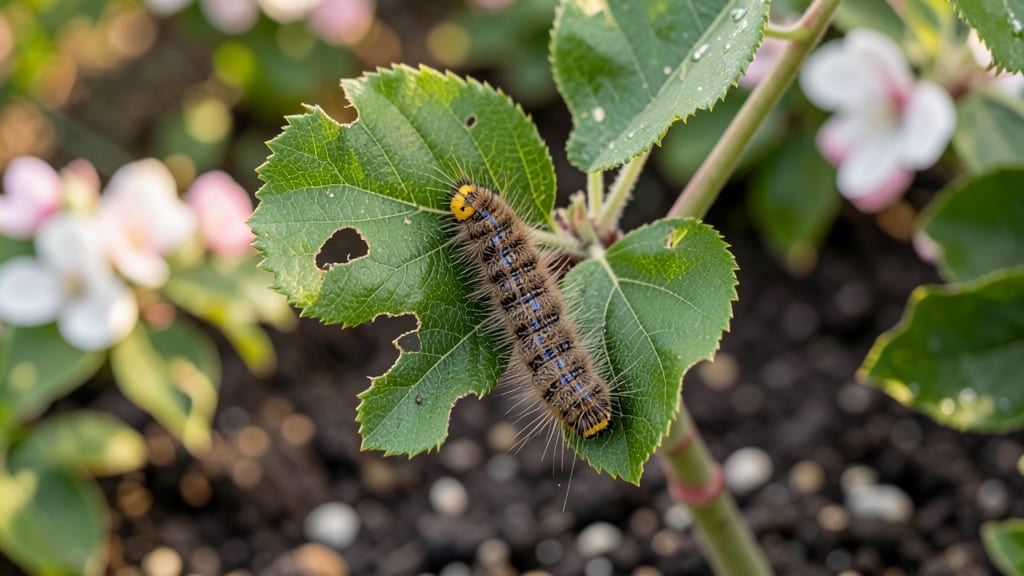
Bugs eating your apple tree leaves means fewer apples and more frustration—until you know the 3 simple steps that stop them. 🌿 I’ve watched entire orchards stripped bare by aphids, tent caterpillars, and leafrollers, but these methods work every time. The worst offenders aren’t just annoying—they multiply fast.
Aphids cluster on undersides, tent caterpillars weave silky nests, and leafrollers curl leaves into tight tubes. Without action, your tree’s energy goes to new growth instead of fruit.
You’ll learn to spot the damage early, use targeted sprays (organic or chemical), and prevent future outbreaks with one easy trick most gardeners miss. No more helplessly watching your harvest disappear. Works for backyard trees, commercial orchards, and even potted apple varieties. Let’s get your tree back on track!
Root Causes Behind Leaf Munching
Apple trees are a garden’s pride—but when bugs start feasting on their leaves, it’s not just an aesthetic problem. Understanding the why behind this behavior is the first step to stopping it.
Below, we break down the key factors driving pests to snack on your apple tree foliage, from natural survival instincts to environmental triggers.
Many insects, like aphids, tent caterpillars, or Japanese beetles, are leaf-eating specialists. Their survival depends on consuming plant material, and apple tree leaves are a nutrient-rich buffet. Here’s why they zero in on yours:
- High Sugar & Protein Content: Young, tender apple leaves are packed with sugars and amino acids—like a fast-food meal for bugs. 🍯🐛
- Soft Texture: Unlike tougher tree species, apple leaves are easy to chew, making them a low-effort snack.
- Volatile Compounds: Apple trees release chemical signals (like volatile organic compounds) that attract pests from miles away—think of it as a dinner bell. 🔔
Actionable Insight: If your tree is lush and healthy, it’s basically sending out a "Free All-You-Can-Eat Leaf Buffet" sign. Pruning to improve airflow and reducing nitrogen-heavy fertilizers can make leaves less appealing.
When apple trees grow too closely together—or are stressed by poor spacing, disease, or weak branches—they become more vulnerable to pest attacks. Here’s how:
- Weakened Defense Responses: Stressed trees produce fewer secondary metabolites (natural pest-repelling chemicals). 🛡️❌
- More Entry Points: Broken or diseased branches create hiding spots for pests like borers or sawflies, which then spread to healthy leaves.
- Moisture Traps: Dense foliage holds excess moisture, creating ideal conditions for fungal diseases (like apple scab) that attract sap-sucking insects.
Actionable Insight: Thin out branches to improve sunlight penetration and reduce humidity. A well-spaced tree is harder for pests to infiltrate.
Pests don’t just appear randomly—they’re highly responsive to weather patterns. Here’s how climate influences their leaf-munching habits:
| Season | Pest Activity | Why It Happens |
|---|---|---|
| Spring | Aphids, mites, leafrollers | Warmth triggers emergence from eggs; new leaves are soft and nutritious. |
| Summer | Japanese beetles, tent caterpillars | Heat and drought stress trees, making them more susceptible to attacks. |
| Fall | Borers, woolly aphids | Cool nights and warm days create perfect breeding conditions for overwintering pests. |
Actionable Insight: Monitor degree-day accumulations (a measure of heat exposure) in your region—many pests become active once temperatures hit 50–60°F. Early intervention (like neem oil sprays) can prevent outbreaks.
Sometimes, well-meaning gardening practices accidentally make your apple tree a pest magnet. Common culprits:
- Over-Fertilizing with Nitrogen: Leads to soft, fast-growing leaves that pests love. 🌱💥
- Ignoring Pruning: Dead wood and dense canopies provide hiding spots for eggs and larvae.
- Using Broad-Spectrum Pesticides: Kills natural predators (like ladybugs), leading to pest explosions. 🦋🚫
- Planting Near Wild Hosts: Apple trees near crabapple trees or wild roses can attract pests that then migrate to your orchard.
Actionable Insight: Switch to balanced fertilizers (like 10-10-10) and encourage beneficial insects (like lacewings) by planting companion flowers (e.g., dill, yarrow).
Fungal infections (like apple scab or powdery mildew) and bacterial diseases (fire blight) create open wounds and nutrient deficiencies, making trees easier targets.
Pests like: - Codling moths (larvae burrow into fruit but start by skeletonizing leaves). - Scale insects (which thrive on weakened sap flows).
Actionable Insight: Preventative sprays (copper fungicides, horticultural oil) in early spring can block disease entry points before pests arrive.
Bugs don’t eat apple leaves out of spite—they’re following evolutionary cues (food, shelter, stress signals). By addressing nutritional imbalances, structural weaknesses, and environmental triggers, you can make your tree less appealing to pests naturally. 🚀
(Next: How to Spot the Culprits—and what to do about them!)
How to Treat Leaf-Eating Pests
Now that you’ve identified the culprits—whether it’s voracious caterpillars, sap-sucking aphids, or chewing beetles—it’s time to take action! The good news? You don’t need harsh chemicals to save your apple tree.
With a mix of natural remedies, cultural fixes, and targeted interventions, you can restore your tree’s lush foliage and protect next year’s harvest. Below, we’ll break down practical, step-by-step solutions tailored to the most common pests, plus prevention tips to keep your orchard thriving long-term.
Signs: Skeletons of leaves, silk webbing, or chewed edges.
🔥 Step 1: Manual Removal (Best for Small Infestations)
- 👨🍳 When to do it: Early morning (pests are sluggish) or after rain (they’re hydrated and easier to spot).
- How to do it:
- Wear gloves and long sleeves—some caterpillars have irritating hairs.
- Shake branches over a bucket of soapy water (1 tbsp dish soap per gallon) to drown them.
- For tent caterpillars, tear open their silk tents with a stick and dispose of them in sealed bags.
- Pro tip: 💡 Check the soil—many caterpillars pupate underground.
Rake up debris around the tree in late fall to disrupt their life cycle.
🍳 Step 2: Natural Sprays (Organic & Effective)
- 🌿 Bacillus thuringiensis (Bt): A bacteria-based spray (like Dipel or Xentari) that’s safe for bees and humans but deadly to caterpillars.
Reapply every 7–10 days during outbreaks. - 🥘 Neem Oil Solution: Mix 2 tbsp neem oil + 1 tsp mild soap per gallon of water, spray evenly on both leaf sides at dusk.
Works as a repellent and growth inhibitor. - 🔪 Horticultural Oil: Apply in early spring (before buds swell) to smother overwintering eggs.
⏰ Step 3: Trap & Disrupt Breeding
- 🌙 Pheromone Traps: Hang gypsy moth or codling moth traps (available at garden centers) to reduce mating success.
- 🌳 Prune Strategically: Remove heavily infested branches (sterilize pruners with rubbing alcohol) and thin out dense foliage to improve airflow.
Signs: Sticky residue (honeydew), yellowing leaves, or tiny moving dots on undersides.
🔥 Step 1: Blast Them Off
- 💦 Strong Water Jet: Use a hose with a nozzle to dislodge aphids and mites from leaves.
Do this early in the morning when pests are still. - 🌿 Soap Spray: Mix 1 tbsp castile soap or insecticidal soap per quart of water, spray directly on pests (avoid flowers to protect pollinators).
🍳 Step 2: Introduce Beneficial Predators
- 🐞 Ladybugs & Lacewings: Release purchased beneficial insects (available online or at garden stores) or plant companion flowers (like dill, fennel, or marigolds) to attract them naturally.
- 🕷️ Parasitic Wasps: For scale insects, tiny wasps lay eggs inside them—no action needed once established!
🥘 Step 3: Systemic & Preventative Care
- 🌡️ Monitor Humidity: Spider mites thrive in dry conditions.
Use a hose to mist leaves on hot days. - 🎯 Reflective Mulch: Cover the soil with silver mulch (or aluminum foil) to confuse aphids and reduce egg-laying. - 🍎 Organic Systemic Spray (Last Resort): If infestations persist, use azadirachtin (derived from neem) or kaolin clay as a protective barrier.
Signs: Irregular holes, wilting branches, or sawdust-like frass near the trunk.
🔥 Step 1: Handpick & Trap
- 🕵️♂️ Japanese Beetles: Drop them in soapy water—they’re easy to spot (green with copper wings).
- 🌳 Beer Traps: Fill a jar with beer + water, bury it near the tree—beetles drown trying to drink.
🍳 Step 2: Barrier Methods
- 🛡️ Floating Row Covers: Use lightweight fabric over young trees to block adult beetles from laying eggs.
- 🔪 Prune & Burn: Remove infested branches (especially near the trunk) and burn or bag them to kill borers.
🥘 Step 3: Soil & Tree Health Boosters
- 💪 Healthy Soil = Stronger Trees: Amend soil with compost and mycorrhizal fungi to boost tree resilience.
- 🌡️ Avoid Overwatering: Borers love stressed trees—water deeply but infrequently to encourage deep roots.
Want to minimize future damage? Follow these proactive strategies:
- 🌿 Plant Companion Plants:
- Chives, garlic, or catnip repel many pests.
- Herbs like thyme and oregano attract beneficial insects.
- 🕰️ Timely Pruning:
- Remove dead/diseased branches in late winter to reduce hiding spots.
- Thin the canopy to improve airflow (pests hate dry, breezy conditions).
- 📅 Seasonal Maintenance:
- Fall: Rake up leaf litter (many pests overwinter here).
- Spring: Apply horticultural oil before buds swell to smother overwintering eggs.
- 🐝 Protect Pollinators:
- Avoid spraying when bees are active (early morning or late evening).
- Skip neonicotinoids—they harm beneficial insects.
If your tree is severely stressed, oozing sap, or showing signs of disease (like cankers or fungal growth), it’s time to consult an arborist. Some infestations (like apple maggot flies) may require professional-grade traps or sprays.
Remember: 🌟 Patience and consistency are key—most pests can be managed without chemicals if you act early. With these targeted solutions, your apple tree will bounce back stronger, and next season’s leaves (and fruit!) will stay lush and pest-free.
Frequently asked questions
What are the most common bugs that target apple tree leaves?
The top offenders include tent caterpillars (which create silky nests), leafrollers (that curl leaves into tubes), aphids (tiny clusters on undersides), and Japanese beetles (with iridescent green bodies). These pests multiply rapidly, so early identification is key to stopping outbreaks.
How do I tell if my apple tree has a pest problem?
Look for chewed edges, skeletonized leaves, sticky honeydew (aphid residue), or silk webbing between branches. Check leaf undersides and branch crevices—many pests hide there. Compare affected leaves to healthy ones on the same tree for clear signs.
When is the best time to treat apple tree pests?
Act early spring (before buds swell) to smother overwintering eggs with horticultural oil. For active infestations, treat late afternoon when beneficial insects are less active. Avoid spraying during bloom to protect pollinators—focus on leaves and branches instead.
Will chemical pesticides actually work better than natural remedies?
Chemicals like carbaryl can kill pests quickly, but they also harm beneficial insects and may leave residues. Natural options (neem oil, Bt spray) are safer for ecosystems and often just as effective when applied consistently. Start with organic methods—reserve chemicals for severe, persistent infestations.
How can I prevent pests from coming back next year?
Focus on tree health: prune for airflow, use balanced fertilizers, and mulch properly. Remove leaf litter in fall (many pests overwinter there) and plant companion herbs like garlic or thyme to repel pests naturally. Regular monitoring catches problems before they spread.