
Pruning
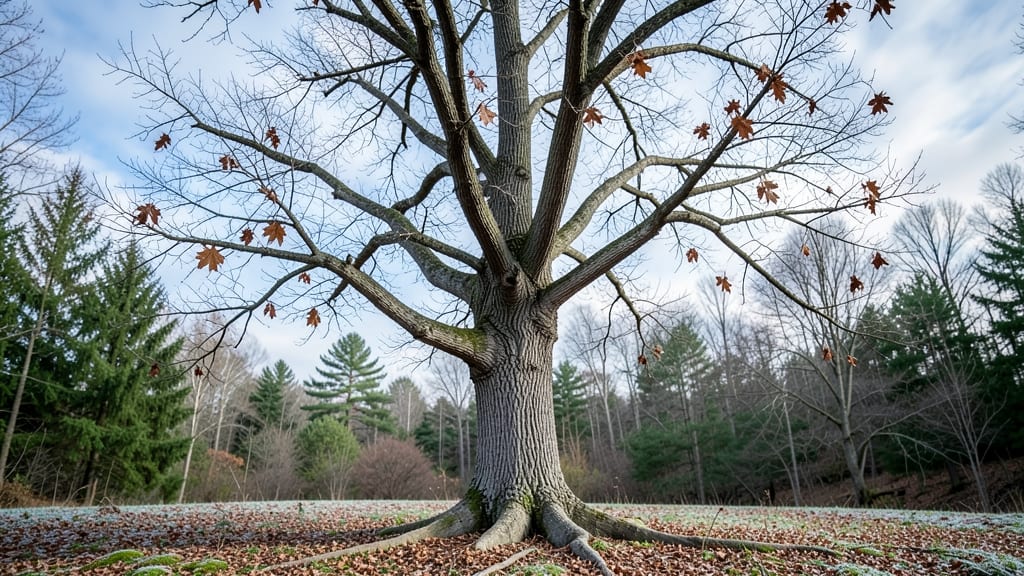
Winter pruning your sugar maple tree reveals its true potential—cleaner branches and stronger growth come spring. ✂️ I’ve learned that dormant-season cuts heal faster and shape the tree’s future better than summer trims ever could.
The key is timing: prune when the tree’s sap is down, but before winter’s harshest freeze. You’ll need sharp pruning shears, a ladder for higher branches, and a clear day with temps above freezing. Focus on removing dead wood first—it’s the easiest way to improve air circulation and sunlight penetration.
A 10% reduction in the canopy is a safe rule of thumb for mature trees. By late winter, you’ll see fresh, vibrant growth where you made cuts. The tree’s energy goes into new branches instead of repairing old wounds, and pests have fewer places to hide.
This is how you build a healthier canopy year after year. Works for both young saplings and established giants—just adjust the scale. Here’s how to do it right without stressing the tree.
📚 In This Guide
- What you need
- Instructions
- Tips and common mistakes
- Wrapping up and next steps
What you need
- ● Pruning shears: Bypass pruners (for cuts up to ½ inch thick) – 1 pair (look for sharp, stainless steel blades).
- ● Loppers: Bypass or anvil type (for cuts up to 1.5 inches thick) – 1 pair (extendable handles are a plus for taller trees!).
- ● Pruning saw: Curved-tooth or bow saw (for larger branches 2+ inches thick) – 1 saw (avoid rust—opt for aluminum or carbon steel).
- ● Ladder: Aluminum extension ladder (20–30 feet, depending on tree height) – 1 ladder (ensure it’s rated for your weight + tools).
- ● Gloves: Heavy-duty, cut-resistant (to protect hands from thorns and rough bark) – 1 pair (waterproof fabric is ideal).
- ● Safety gear: Safety glasses (to shield eyes from debris).
- ● Ear protection (if using a chainsaw for stubborn branches).
- ● Long sleeves/pants (to prevent scratches and sap burns).
- ● Disinfectant: 70% isopropyl alcohol or pruning sealant (to sterilize tools between cuts and prevent disease spread).
- ● Heavy-duty trash bags: (for collecting branches and debris) – 2–3 bags (knot them securely!).
- ● Chainsaw: Gas or electric (for thick, woody branches—only if comfortable using one!).
- ● Tree wrap: (to protect freshly cut areas from sunscald or pests).
- ● Marking spray: (to tag branches for removal before cutting).
- ● First-aid kit: (for minor cuts or scrapes—better safe than sorry!).
- ● Assistant: (a second person to hold the ladder or hand up tools—teamwork makes the dream work!).
Step-by-step guide to pruning a sugar maple in winter
Winter’s dormancy is the perfect time to shape your sugar maple—here’s how to do it safely and effectively.
⏰ Step 1: Time Your Pruning for Maximum Success
Prune your sugar maple between late fall and early spring, while the tree is fully dormant but before buds swell in late February or March. This timing minimizes stress and disease risk. I always check for frost-free days—wait until temperatures stay above 20°F for at least a week to avoid damaging the tree’s vascular system.
Cold weather also helps wounds heal faster because the tree isn’t actively growing. If you prune too early, you risk encouraging disease; too late, and you’ll remove next year’s growth. Watch for buds starting to plump—that’s your cue to stop pruning.
✂️ Step 2: Gather the Right Tools and Safety Gear
Use sharp, clean pruning tools to make precise cuts without tearing bark. For sugar maples, I recommend a pruning saw for branches over 2 inches thick and bypass pruners for smaller limbs. Sterilize your tools with 70% isopropyl alcohol to prevent spreading disease between cuts.
Wear gloves, safety glasses, and sturdy boots—maple branches can be heavy and sharp. I also bring a ladder or extension pole if the tree is tall, and a bucket or tarp to collect fallen branches. Never work alone near large trees; have someone spot you in case limbs fall unexpectedly.
☀️ Step 3: Identify and Remove Problem Branches First
Start by removing dead, diseased, or crossing branches—these compete for resources and weaken the tree. Look for bark that’s cracked or peeling, limbs with no leaves or buds, or branches growing toward the center of the canopy. These should go first, even if they’re small.
Next, target water sprouts (fast-growing vertical shoots) and suckers (shoots from the base). These drain energy from the tree. Use your pruners to cut these at the base, making a clean, angled cut just outside the branch collar (the swollen area where the branch meets the trunk).
🌿 Step 4: Thin the Canopy for Better Airflow and Light
Thin the canopy by removing 20-30% of the smallest branches to improve airflow and sunlight penetration. Focus on branches that rub against others or grow inward. Aim to create an open, vase-like shape—this reduces disease risk and encourages stronger growth.
For larger branches, use the three-cut method: Make the first cut 1-2 feet out from the trunk, then a second cut just outside the branch collar, and finally remove the limb by cutting downward from the notch you created. This prevents bark from tearing and protects the tree’s vascular system.
🪴 Step 5: Clean Up and Protect the Tree
Remove all pruned branches from the area to prevent pests and diseases from lingering. I like to burn or chip larger branches immediately, but at least haul them away from the tree’s base. Avoid piling them under the canopy, where moisture can trap fungi.
After pruning, apply a wound dressing only if the cut is large (over 4 inches)—research shows most trees heal better without it. Instead, focus on watering deeply if winter is dry, and mulching lightly around the base to retain moisture. Monitor the tree for oozing sap or fungal growth in the weeks after pruning.
Tips & tricks for perfect sugar maple winter pruning
Winter pruning reveals the secrets to a healthier sugar maple—here's how to avoid common pitfalls and elevate your technique.
Timing is Everything: The window between late fall and late February is non-negotiable for sugar maples. I've learned the hard way that pruning too early (when temperatures dip below 20°F) can shock the tree's vascular system, while waiting until buds swell means you're removing next year's growth. Check for at least a week of frost-free days above 20°F before you start—this is your green light to prune safely. The tree's dormancy helps wounds heal faster, but you still want to avoid extreme cold snaps.
Tool Precision Matters: Don't settle for dull tools—sharp bypass pruners and pruning saws make all the difference when cutting sugar maple branches. I sterilize my tools between cuts with 70% isopropyl alcohol to prevent spreading disease. For branches over 2 inches thick, the pruning saw gives you the clean cuts needed to avoid tearing bark. Remember, a proper cut at the branch collar (that swollen area where the branch meets the trunk) promotes faster healing than a jagged cut that leaves bark hanging.
Canopy Architecture Tip: When thinning the canopy, aim for that open vase-like shape that lets sunlight penetrate to the lower branches. I focus on removing 20-30% of the smallest branches first—these are often the ones growing inward or rubbing against others. The three-cut method for larger branches prevents bark tearing and protects the tree's vascular system. Think of it as creating a balanced silhouette where each branch has room to grow without competing for resources.
Post-Pruning Care: After you've finished, don't just leave the branches piled around—remove them immediately to prevent pests and diseases from lingering. I either burn larger branches or haul them away completely. For the tree itself, skip the wound dressing unless you're dealing with a cut over 4 inches wide (research shows most trees heal better without it). Instead, focus on deep watering if winter is dry and light mulching around the base to retain moisture. Keep an eye out for any oozing sap or fungal growth in the weeks after pruning—this is your signal that something might need attention.
Pro Tips for Sugar Maple Tree In Winter
- Winter pruning reveals the secrets to a healthier sugar maple—here's how to avoid common pitfalls and elevate your technique.
- Timing is Everything: The window between late fall and late February is non-negotiable for sugar maples.
- Tool Precision Matters: Don't settle for dull tools—sharp bypass pruners and pruning saws make all the difference when cutting sugar maple branches.
Frequently asked questions
Got questions about pruning your sugar maple in winter? You’re not alone! Here are answers to the most common concerns—so you can tackle the job with confidence.
When is the best time to prune a sugar maple in winter?
The ideal window is late winter, after the coldest temperatures but before buds swell (typically February–March in most zones). Pruning during dormancy minimizes stress on the tree and reduces disease risk. Avoid pruning during freezing spells—tools can become brittle, and sap flow slows.
Can I prune a sugar maple if it’s still covered in snow?
Nope! Wait until the snow melts and the ground isn’t frozen. Pruning through snow can compact soil around roots, and frozen branches may snap unexpectedly. A light dusting of snow is fine, but never prune when ice or heavy snow is present.
How do I know which branches to cut on a sugar maple?
Focus on:
- Dead, diseased, or crossing branches (rubbing branches create wounds).
- Suckers (sprouts at the base)—remove these to direct energy upward.
- Water sprouts (fast-growing vertical shoots).
- Branches growing toward the center (thins the canopy for airflow).
What if my sugar maple bleeds sap after winter pruning?
Sap bleeding (especially from large cuts) is normal but can be messy. To minimize it:
- Prune on warmer winter days (above 40°F).
- Use sealing pruning paint on cuts wider than ½ inch.
- Avoid pruning in early spring (March–April), when sap flow peaks.
Can I prune a young sugar maple the same way as a mature one?
Young trees (under 10 years) need gentle pruning—focus on shaping and removing only 10–20% of the canopy per year. Avoid heavy cuts, which can stunt growth. For mature trees, you can remove up to 25% of the canopy in a single dormant season, but spread large removals over 2–3 years.
What should I do if I accidentally prune too much?
Don’t panic! If you’ve removed more than 25% of the canopy, the tree may struggle. Monitor for:
- Wilting or yellowing leaves (sign of stress).
- Slow growth in spring.
Wrapping up and next steps
The winter months offer the perfect opportunity to give your sugar maple tree the care it deserves—pruning during dormancy promotes stronger growth and a healthier canopy. By following the right techniques, timing, and tools, you’ll set the stage for vibrant foliage and bountiful sap in the seasons ahead. 🌳✨
Ready to take action? Grab your pruners and schedule a session on a calm, dry winter day. Your tree—and future maple syrup harvests—will thank you!