
Pruning
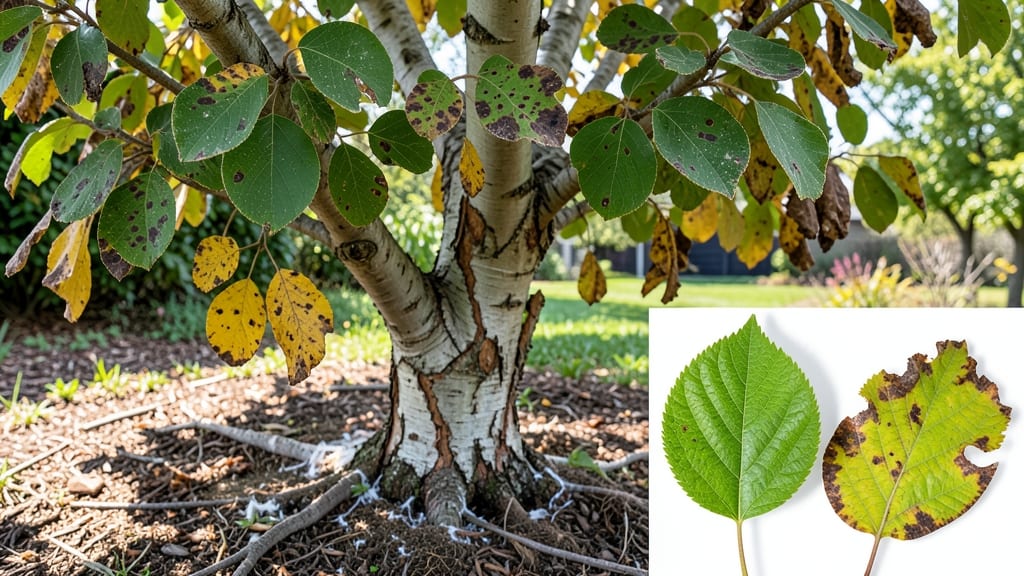
Your Oklahoma redbud tree’s dormant season is the key to stopping problems before spring—think of it like winterizing a car to avoid breakdowns. 🌱 I’ve seen these trees go from struggling to thriving in just one dormant season with the right care, and the fixes are simpler than you’d expect.
The most common issues—leaf spots, fungal infections, and pest damage—often start with overlooked winter prep or poor soil conditions.
Here’s the thing: Oklahoma’s dry winters and alkaline soil create the perfect storm for stress. Redbuds hate compacted or overly dry soil, which invites pests like spider mites and borers, while fungal infections thrive in damp, poorly drained spots.
The good news? Most fixes take 30 minutes and focus on pruning, mulching, and soil checks—no heavy equipment or expensive treatments needed.
By spring, you’ll see stronger branches, fewer spots on new leaves, and blooms that arrive earlier than ever.
The secret is working with the tree’s natural rhythm: prune dead wood now, add organic mulch to lock in moisture, and test your soil pH—Oklahoma’s clay often needs a little help staying balanced.
Works for newly planted trees or established ones that’ve been fading over the years. Let’s get your redbud back to its vibrant best before the growing season kicks in.
Understanding Root Causes
Oklahoma’s redbud trees (Cercis canadensis) are stunning in spring, but their health can take a hit during dormancy—especially in the state’s variable climate. Let’s break down the why behind common issues so you can tackle them with precision.
Oklahoma’s winters can swing from mild to brutal, and redbud trees—native to the region—are surprisingly resilient, but sudden cold snaps or prolonged freezes can still cause damage.
- How it happens: Redbuds are semi-deciduous, meaning they may hold leaves into late fall or sprout early in spring.
When temperatures drop below 10°F (-12°C), these tender tissues freeze, leading to: - Blackened or curled leaves (if leaves remain into winter). - Delayed bud break in spring (buds may shrivel if exposed to late frosts). - Cracked bark on young trees, inviting pests or disease.
- Why Oklahoma’s climate worsens it:
- Chilling winds (common in the panhandle) dry out bark faster.
- Thaw-freeze cycles (like in central OK) stress roots, disrupting nutrient flow.
- Poor soil drainage in clay-heavy soils traps cold air near the root zone.
- 💡 Pro Tip: Mulch 3–4 inches deep with shredded bark or pine straw in late fall to insulate roots. Avoid piling mulch against the trunk—keep it 6 inches away to prevent rot.
Oklahoma’s winter rains (especially in the eastern part of the state) create the perfect storm for fungal pathogens like anthracnose or powdery mildew, which thrive in cool, damp conditions.
- How it happens:
- Fungi overwinter in fallen leaves, bark crevices, or infected wood.
- When sustained moisture (e.g., 4+ days of rain or high humidity) occurs during dormancy, spores reactivate and spread.
- Redbuds show signs in spring as dark, sunken lesions on branches or grayish mold on buds.
- Why it’s worse in Oklahoma:
- High humidity in winter (especially in the Ozark region) extends the fungal window.
- Compacted or waterlogged soil (common in urban areas) stresses roots, making trees more susceptible.
- 🔥 Actionable Fix: Clean up debris in late fall—remove and dispose of (don’t compost) fallen leaves and prune out dead or infected branches with sterilized tools (70% isopropyl alcohol works).
Even when redbuds look dormant, insects like scale, borers, or spider mites are still active—often laying eggs in bark crevices or feeding on sap.
- How it happens:
- Scale insects secrete a waxy coating to survive winter, then resume feeding in spring, weakening branches.
- Redbud borers (like the redbud borer beetle) lay eggs in cracks or wounds, and larvae mine into wood, disrupting nutrient flow.
- Spider mites (yes, even in winter!) thrive in sheltered, dry microclimates under bark or in leaf litter.
- Why Oklahoma’s dry spells help them:
- Low winter moisture concentrates sap in branches, making them more attractive to pests.
- Drought stress (common in western OK) weakens trees, making them easier targets.
- 🌡️ Prevention Tip: Inspect bark for webbing, sawdust-like frass, or sticky honeydew (a sign of scale). Apply dormant oil spray in late winter (before buds swell) to suffocate eggs and overwintering pests.
Oklahoma’s alkaline soils (especially in the western half) and low organic matter can starve redbuds of essential nutrients, even in dormancy.
- How it happens:
- Iron or zinc deficiencies (common in high-pH soils) cause yellowing between veins (chlorosis) or stunted growth.
- Nitrogen starvation (from leaching rains) leads to poor bud formation for spring blooms.
- Phosphorus or potassium shortages weaken root systems, making trees vulnerable to stress.
- Why it’s a hidden issue:
- Symptoms often appear in spring, but the damage starts in winter when roots are less active but still absorbing.
- Competition from turfgrass (if planted too close) robs roots of nutrients.
- 🎯 Soil Test & Fix:
- Test soil in fall (send to OSU Extension) and amend with:
- Iron chelate (for chlorosis).
- Compost or aged manure (for organic matter).
- Slow-release fertilizer (like 10-10-10) in early spring before bud break.
- Test soil in fall (send to OSU Extension) and amend with:
Oklahoma’s thunderstorms, hail, or high winds (especially in Tornado Alley) can snap branches or uproot trees during dormancy, leaving them vulnerable to secondary infections.
- How it happens:
- Heavy ice or hail (common in winter storms) crushes buds or bark, creating entry points for disease.
- Wind throw (roots lifting from soil) disrupts the root-plate, reducing water uptake.
- Broken branches can die back, leading to unsightly stubs or fungal rot.
- Why it’s worse in OK:
- Shallow root systems (common in urban plantings) make trees top-heavy and unstable.
- Clay soils (in eastern OK) swell and shrink, loosening roots further.
- 🔪 Pruning & Support:
- Remove broken branches at the branch collar (not flush with the trunk).
- Stake young trees in high-wind areas with flexible ties (not wire).
- Mulch heavily around the root flare to prevent soil erosion from storms.
Quick Fixes for Oklahoma Redbud Trees
When your Oklahoma redbud tree starts showing signs of stress—whether it’s wilting leaves, pest infestations, or poor growth—acting fast can make all the difference. Below, we’ve broken down practical, step-by-step solutions for the most common issues, along with preventive tips to keep your tree thriving year-round.
Think of this as your redbud tree’s emergency repair manual!
🔥 Problem: Browning or Crispy Leaves (Even in Winter)
Cause: Frost damage, dehydration, or fungal infections (like powdery mildew) can turn leaves brittle and brown during dormancy.
How to Fix It:
- 🍳 Prune the Damaged Branches
- Use clean, sharp pruners (sterilize with rubbing alcohol) to trim back any brown, brittle, or dead branches. Cut just outside the branch collar (the swollen area where the branch meets the trunk).
- Pro Tip: 💡 If more than 25% of the tree is affected, prune lightly now and wait until early spring for heavier cuts to avoid stressing the tree further.
- 👨🍳 Mulch Like a Pro
- Apply 2–3 inches of organic mulch (like shredded bark or pine straw) around the base of the tree, but keep it 6 inches away from the trunk to prevent rot.
- Pro Tip: 🌡️ Mulch retains moisture and regulates soil temperature—critical in Oklahoma’s fluctuating winter weather.
- 🥘 Hydrate (Yes, Even in Winter!)
- Water deeply once a month during dry spells (check soil moisture—if the top 2 inches are dry, it’s time to water).
- Pro Tip: ✨ Use a soaker hose to deliver water slowly and avoid wetting the leaves, which can encourage fungal growth.
- 🔪 Fungal Treatment (If Needed)
- If you spot white powdery spots (powdery mildew) or black tar-like patches (sooty mold), spray the tree with a copper fungicide or neem oil solution (1 tbsp neem oil + 1 quart water + a drop of dish soap).
- Pro Tip: 🎯 Apply treatments in the late afternoon to reduce leaf burn from sunlight.
Prevention:
- Plant redbuds in well-draining soil with partial shade to reduce stress.
- Avoid over-fertilizing in late summer or fall—it encourages new growth that’s vulnerable to frost.
🍳 Problem: Aphids, Scale, or Japanese Beetles
Cause: These pests suck sap, weaken branches, and attract ants or sooty mold. They’re especially active in Oklahoma’s mild winters.
How to Fix It:
- 🔥 Blast Them Off with Water
- Use a strong stream from the hose to dislodge aphids and scale insects from branches. Repeat every few days for a week.
- Pro Tip: 💡 Do this early in the morning so the tree has time to dry out and avoid fungal issues.
- 👨🍳 Introduce Beneficial Insects
- Release ladybugs or lacewings (available at garden centers) to prey on aphids naturally.
- Pro Tip: 🌡️ For Japanese beetles, set up beer traps (bury a container filled with beer—beetles drown in it).
- 🥘 Chemical-Free Sprays
- Mix 1 tsp dish soap + 1 quart water in a spray bottle and apply directly to pests. Reapply every 5–7 days.
- For stubborn infestations, use horticultural oil (apply in dormant season when temps are above 40°F).
- 🔪 Prune and Burn Infested Branches
- Cut off heavily infested branches and burn or bag them (do not compost!) to prevent reinfestation.
Prevention:
- Inspect trees weekly in late winter for early signs of pests.
- Encourage natural predators by planting dill, fennel, or yarrow nearby—these attract beneficial insects.
🍳 Problem: Yellowing Leaves or Stunted Growth
Cause: Poor soil quality, nutrient deficiencies (like iron or nitrogen), or compacted soil.
How to Fix It:
- 👨🍳 Test Your Soil
- Get a soil test kit (available at garden centers) to check pH and nutrient levels. Oklahoma redbuds prefer slightly acidic to neutral soil (pH 6.0–7.5).
- Pro Tip: 💡 If the soil is too alkaline, amend with sulfur or peat moss to lower pH gradually.
- 🥘 Fertilize Strategically
- In early spring, apply a balanced fertilizer (10-10-10 or 20-20-20) lightly around the drip line (the edge of the tree’s canopy).
- For iron deficiency (yellow leaves with green veins), use an iron chelate spray or granules.
- Pro Tip: ✨ Avoid high-nitrogen fertilizers in late summer—they promote tender new growth that’s prone to frost damage.
- 🔪 Aerate Compacted Soil
- Use a garden fork to loosen soil around the root zone (6–12 inches deep). Mix in compost or aged manure to improve drainage and fertility.
Prevention:
- Mulch annually to maintain soil health and moisture.
- Plant redbuds in raised beds if your native soil is heavy clay—this improves drainage.
🍳 Problem: Over-Pruning or Wrong-Time Cuts
Cause: Pruning at the wrong time (like mid-winter) can stress the tree or invite disease.
How to Fix It:
- 🔥 Best Pruning Windows
- Light pruning: Late winter (February) to remove dead/damaged wood.
- Heavy pruning: Early spring (March) before new growth starts.
- Pro Tip: 💡 Avoid pruning in fall—it encourages tender growth that won’t harden off before frost.
- 👨🍳 Shape with Purpose
- Remove crossing branches, suckers, and water sprouts to improve airflow and sunlight penetration.
- Pro Tip: 🌡️ Use thinning cuts (cutting back to the branch collar) rather than heading cuts (shortening branches) to maintain the tree’s natural shape.
- 🥘 Sanitize Your Tools
- Wipe pruners with rubbing alcohol between cuts to prevent spreading disease.
Prevention:
- Map your tree’s growth each year—note where branches grow inward or rub against each other.
- Prune gradually—never remove more than 25% of the canopy in one season.
Final Thought: 🎯 Oklahoma’s redbuds are tough but need a little TLC during dormancy to bounce back stronger in spring. By addressing issues now, you’ll set your tree up for vibrant blooms and lush foliage come March. Happy pruning!
Frequently asked questions
Why are my Oklahoma redbud leaves turning brown and crispy during winter?
This is likely from frost damage or fungal infections like powdery mildew, which thrive in Oklahoma’s damp winters. Prune affected branches immediately with sterilized tools and apply copper fungicide if you see white powdery spots. Mulch 2-3 inches deep (but keep it 6 inches from the trunk) to protect roots from temperature swings.
What should I do if I find sticky residue or tiny bugs on my redbud branches?
That’s probably scale insects or aphids, common in Oklahoma’s mild winters. Blast them off with a strong hose stream in the morning, then apply a mix of 1 tsp dish soap + 1 quart water every 5-7 days. For severe cases, use horticultural oil in late winter (when temps are above 40°F) to suffocate eggs.
My redbud isn’t blooming well—could it be soil problems?
Yes! Oklahoma’s alkaline clay soils often lack iron or nitrogen, causing yellowing leaves or poor bud formation. Test your soil (OSU Extension offers kits) and amend with iron chelate for yellowing or compost + slow-release fertilizer in early spring. Avoid high-nitrogen fertilizers in late summer—they encourage frost-sensitive growth.
Is it safe to prune my redbud during Oklahoma’s winter?
Light pruning (removing dead/damaged branches) is fine in late winter (February), but avoid heavy cuts until early spring (March). Pruning in fall can stimulate tender growth that won’t survive freezes. Always cut at the branch collar and sterilize tools between cuts to prevent disease spread.
How can I protect my redbud from Oklahoma’s wind and hail storms?
Stake young trees in high-wind areas using flexible ties (not wire) and mulch heavily around the root flare to prevent erosion. For established trees, prune to remove weak branches that could snap. After storms, inspect for broken limbs and remove them at the branch collar—don’t leave stubs, which invite pests and disease.