
Trees
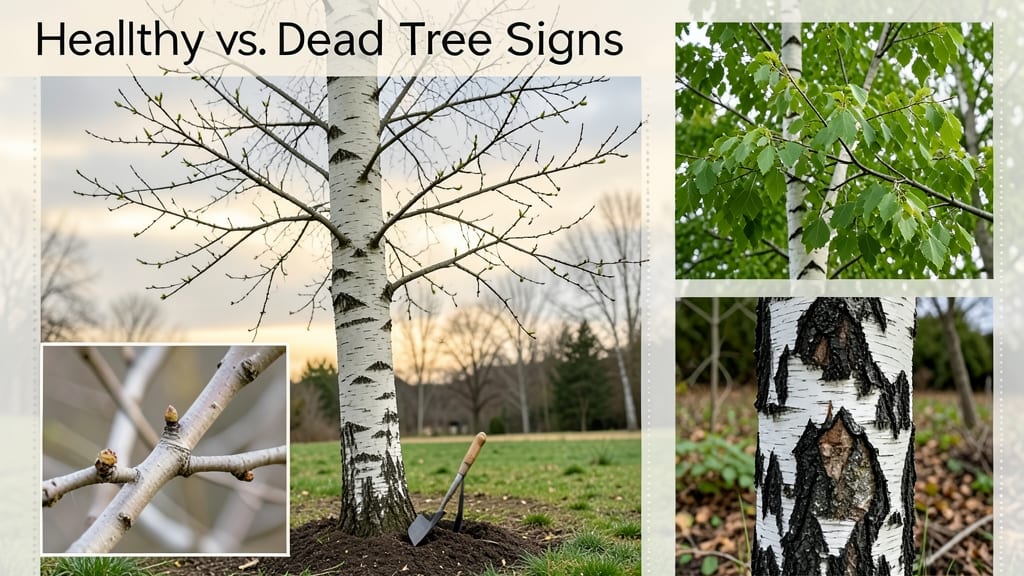
A tree that has no leaves isn’t always dead—it might just be resting. 🌳 I’ve seen this confusion every winter when neighbors panic over their bare maples and oaks. The truth? Many trees naturally shed leaves in fall, conserving energy until spring. But how do you tell dormancy from distress?
Start by checking the bark: smooth, intact bark means the tree’s alive, even without leaves. Scratch a small section—green underneath signals life, while dry or crumbly bark suggests trouble. Then look at the branches: snap a small twig—if it’s green inside, the tree’s still breathing.
You’ll often find healthy trees with winter-bare branches, especially in deciduous species like birch or cherry. Even evergreens can look sparse after drought or pests. The key is timing: if leaves return by spring, your tree’s just taking a seasonal nap.
For stressed trees, focus on watering (but not overdoing it) and mulching to protect roots. When in doubt, consult a local arborist—they’ll spot subtle signs of life (or trouble) you might miss. Most of the time, that bare tree is just waiting for spring to wake up.
Natural Causes Behind Bare Branches
When a tree sheds its leaves, it’s not always a sign of doom—sometimes, it’s just Mother Nature’s way of conserving energy. Understanding the why behind a tree’s leaf loss helps distinguish between normal seasonal behavior and serious trouble.
Let’s break down the science behind why trees go bare, starting with the most common and natural reasons.
Most trees enter a state of dormancy during fall and winter as a survival strategy. When temperatures drop and daylight shortens, trees trigger a biological shutdown to conserve water and energy. Here’s how it works:
- Hormonal Shift: Trees produce abscisic acid, a hormone that signals leaf cells to detach. This creates a clean break at the abscission layer, where specialized cells form a scar to prevent bleeding.
- Nutrient Recycling: Before shedding, trees reclaim nutrients (like nitrogen and phosphorus) from leaves, transporting them back to roots and branches for next year’s growth.
- Frost Resistance: Bare branches reduce ice buildup and wind damage, protecting the tree’s core structure until spring.
Pro Tip: 🌡️ If your tree loses leaves in autumn but retains a full canopy of buds (tiny leaf or flower nubs), it’s not dead—it’s just napping!
Extreme weather or poor growing conditions can force a tree to drop leaves prematurely, even outside of dormancy. Common triggers include:
| Stressor | How It Affects the Tree | Signs to Watch For |
|---|---|---|
| 🔥 Drought | Roots struggle to absorb water, triggering leaf drop to reduce evaporation. | Wilting, dry soil, brown leaves that crumble easily. |
| ❄️ Early Frost | Sudden cold snaps damage leaf cells, causing them to blacken and fall. | Dark, mushy spots on leaves; new growth may appear stunted. |
| 🌪️ Wind or Hail | Physical damage severs leaves or disrupts nutrient flow. | Torn leaves, exposed branches, or uneven canopy loss. |
Actionable Tip: ✨ If your tree loses leaves due to stress, mulch the base (2–4 inches of organic material) to retain moisture and protect roots from temperature swings.
Not all leaf loss is benign—pests and pathogens can strip a tree bare if left unchecked. Here’s how to spot the culprits:
- Insect Infestations:
- Gypsy Moths or Japanese Beetles devour leaves, leaving behind skeletonized foliage.
- Aphids or Scale Insects suck sap, causing leaves to yellow and drop.
- Fungal Infections:
- Anthracnose creates dark, tar-like spots that trigger premature leaf fall.
- Root Rot (from overwatering) starves the tree, leading to widespread defoliation.
Red Flag: 🚨 Look for holes in leaves, sticky residue (honeydew), or unusual spots. If you suspect pests, treat with neem oil or contact a local arborist.
Older trees or those with underlying health issues may shed leaves as a last resort. Key indicators include:
- Declining Vigor: Weak root systems or poor soil nutrition (e.g., chlorosis from iron deficiency) can’t support foliage.
- Sunburn or Scorch: Young trees or those in urban areas with limited shade may lose leaves due to excessive sunlight.
- Genetic Predisposition: Some species (like Liriodendron tulipifera, or tulip poplar) naturally drop leaves in late summer—this is not a sign of death.
Pro Tip: 💡 Test your soil’s pH and nutrient levels with a DIY kit. Amending soil with compost or fertilizer can revive a struggling tree.
Reviving a Leafless Tree: Step-by-Step Solutions
A tree without leaves isn’t always a death sentence—it could just be resting, stressed, or recovering. Whether your tree is dormant, diseased, or struggling from environmental factors, here’s how to diagnose and revive it with practical, actionable steps.
---
If your tree is simply in winter dormancy, the best solution is patience. Most deciduous trees naturally shed leaves in fall and regrow them in spring. Here’s how to support them:
- ❄️ Wait for Spring – Avoid pruning or fertilizing dormant trees in late winter.
New growth needs time to establish. - 💧 Light Watering – If the ground is bone-dry (unlikely in winter but possible in drought-prone areas), give a slow, deep watering every 4–6 weeks to prevent root stress. - ❄️ Protect from Frost – Young or weak trees may benefit from a light burlap wrap or mulch layer (3–4 inches) to insulate roots.
💡 Pro Tip: If your tree is evergreen (like pine or spruce) but looks brown and brittle, it might be winter burn. Trim dead branches in early spring and apply a balanced fertilizer to encourage recovery.
---
If your tree lost leaves due to drought, heat, or poor soil, it may still be alive but struggling. Act fast with these fixes:
- 💧 Deep Watering Schedule - How: Use a soaker hose or drip irrigation to deliver water slowly (1–2 inches per week during dry spells). - When: Early morning or late evening to reduce evaporation. - Why: Shallow watering encourages weak roots—deep watering strengthens them.
- 🌿 Mulch Like a Pro - How: Apply 3–4 inches of organic mulch (wood chips, shredded bark) around the base (not touching the trunk). - When: Spring or early fall (avoid piling mulch in winter—it can trap moisture and rot roots). - Why: Mulch retains moisture, regulates soil temperature, and blocks weeds.
- 🌡️ Shade Relief for Heat Stress - If your tree is in a hot, sunny spot, consider temporary shade cloth (30–50% coverage) during peak summer months. - Long-term fix: Plant fast-growing shade trees (like silver maple or willow) nearby to break wind and reduce heat.
---
If your tree’s bark is peeling, oozing sap, or covered in holes, it may be battling fungal infections, borers, or aphids. Act quickly with these targeted solutions:
| Issue | Signs | Fix It | |-------------------------|------------------------------------|----------------------------------------------------------------------------| | Fungal Disease | Yellowing leaves, black spots, mold | Prune infected branches (sterilize tools with 70% rubbing alcohol).
Apply copper fungicide in spring. | | Borers or Beetles | Sawdust-like frass, holes in bark | Drill & inject systemic insecticide (like imidacloprid) or call an arborist for professional treatment. | | Aphids/Scale Insects| Sticky residue (honeydew), curled leaves | Spray with neem oil or insecticidal soap (repeat every 7–10 days).
Attract ladybugs (natural predators). |
⚠️ Warning: If 50%+ of the tree’s canopy is dead, it may be beyond saving. Consult an arborist before taking drastic action.
---
If your tree’s leaves fell due to nutrient starvation, it’s often fixable with smart fertilization:
- 🌱 Soil Test First - How: Buy a DIY soil test kit ($10–$20) or send a sample to your local cooperative extension office. - Why: Over-fertilizing can burn roots—know what’s missing (nitrogen, phosphorus, potassium, or micronutrients).
- 🍄 Organic Fertilizer Boost - Best options: - Compost (work into top 6 inches of soil in spring). - Slow-release granules (like Osmocote or Alfalfa meal for nitrogen). - Mycorrhizal fungi (helps roots absorb nutrients—mix into planting hole).
- 🚫 Avoid Fast-Acting Chemicals - Why? Synthetic fertilizers can shock roots and cause more leaf drop. Stick to organic, slow-release options.
---
If your tree is partially dead but has some green growth, strategic pruning can help it bounce back:
- 🔪 When to Prune - Dormant trees (late winter/early spring): Remove dead, diseased, or crossing branches. - Active growth (late spring/summer): Only prune sucker growth or lightly thin the canopy.
- 🌿 How to Prune - Use clean, sharp pruners (sterilize with rubbing alcohol between cuts). - Cut at a 45° angle just above a bud or branch collar (never leave stubs). - Never remove more than 25% of the canopy in one season—this stresses the tree.
- 🌿 Post-Pruning Care - Water deeply after pruning (helps the tree recover). - Avoid heavy fertilizing immediately—let it focus on healing.
---
Once your tree is back on track, prevent future leaf loss with these habits:
- 🌧️ Water Deeply, Not Often – 1–2 times per week (deep soak) > daily shallow watering. - 🍂 Mulch Annually – Refresh mulch in early spring to maintain moisture and nutrients. - 🌿 Monitor for Pests – Inspect leaves monthly for early signs of spider mites, scale, or borers. - 🌱 Avoid Soil Compaction – Aerate the soil every 2–3 years (especially under lawns). - 🌳 Plant the Right Tree – Choose native species adapted to your climate (they’re naturally resilient).
--- 💡 Final Thought: A leafless tree isn’t always a dead tree—it’s often a tree in distress or transition. By identifying the cause and applying the right care, you can give it the best chance to bounce back stronger than ever.
If in doubt, consult a local arborist for a professional assessment!
Frequently asked questions
Why do some trees keep their leaves year-round while others lose them?
Deciduous trees (like oaks and maples) naturally shed leaves in fall to conserve energy during winter, while evergreens (like pines and spruces) retain needles year-round. The difference lies in their biology: evergreens have waxy, drought-resistant needles that minimize water loss, while deciduous trees prioritize energy efficiency by dropping leaves when sunlight and warmth decline.
Can a tree survive without leaves for more than a year?
Yes, but it depends on the cause. Healthy deciduous trees can remain leafless for multiple winters if they’re dormant, but if the tree stays bare past spring without new growth, it’s likely dead or severely stressed. Check for buds, green beneath the bark, or flexible branches—these signs indicate life. If no new leaves appear by late spring, consult an arborist.
What’s the difference between a tree in dormancy and one that’s dying?
The key difference is bark condition and branch flexibility. A dormant tree has smooth, intact bark and green tissue when you scratch it, while a dying tree often shows cracked, peeling, or crumbly bark. Also, snap a small branch: if it’s green inside, the tree’s alive; if it’s brown and dry, it’s dead. Dormant trees also retain buds, which will sprout leaves in spring.
Will fertilizing help a leafless tree recover?
Not always—fertilizer can actually harm a stressed tree by encouraging new growth when roots are weak. Instead, focus on watering deeply (1–2 inches per week) and mulching (3–4 inches of organic material). If the tree is nutrient-deficient, test your soil first and use slow-release organic fertilizer in spring. Avoid synthetic fertilizers, which can burn roots.
Can pests or diseases cause a tree to lose all its leaves?
Pests like gypsy moths or Japanese beetles can devour foliage, while diseases such as anthracnose or root rot can strip leaves prematurely. Look for signs like holes in leaves, sticky residue (honeydew), or unusual spots. If you suspect pests, treat with neem oil or insecticidal soap. For diseases, prune infected branches and apply copper fungicide.