
Planting
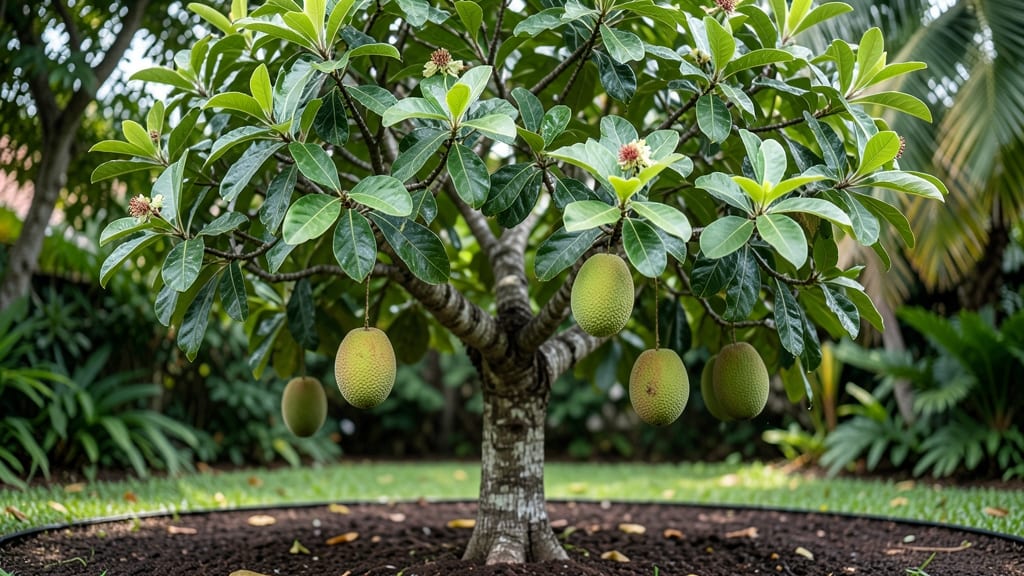
Growing a sugar apple tree thrives best in USDA zones 10-12, where warm tropical nights and high humidity let it produce those sweet, custard-like fruits we all crave. 🌴 I learned the hard way—my first attempt in zone 9 ended with a frost-killed sapling, but now I know exactly how to protect these delicate trees in cooler climates.
The secret lies in mimicking its native habitat: rich, well-draining soil with plenty of organic matter, paired with full sun (at least 6-8 hours daily).
In zones 9 and below, container growing becomes your best friend—you can move the pot indoors or to a garage when temperatures dip below 40°F. The tree’s glossy leaves and fragrant white flowers make the effort worth it.
You’ll taste success when those 4-inch custard apples ripen—creamy, sweet, and packed with tropical flavor. The key is patience; sugar apple trees take 3-5 years to bear fruit, but once they do, they produce abundantly. Just watch for those first signs of frost damage on young leaves and act fast.
For gardeners in cooler zones, consider dwarf varieties or micropropagated plants that mature faster. And don’t forget—these trees love humidity, so misting leaves or placing a tray of water nearby can make all the difference. Let’s get that tropical fruit tree growing!
📚 In This Guide
- What you need
- Instructions
- Tips and common mistakes
- Wrapping up and next steps
What you need
- ● Sugar apple seeds or nursery-grown saplings: 1-2 plants (ensure they’re disease-free and well-rooted).
- ● Well-draining potting mix or garden soil: 5-10 gallons (amend with compost for nutrient-rich soil).
- ● Large containers (15-20 gallons) or garden plot: Sugar apples need space—containers should have drainage holes.
- ● Organic fertilizer (balanced 10-10-10 or citrus-specific): 1-2 lbs per plant (apply every 4-6 weeks during growing season).
- ● Mulch (straw, wood chips, or pine bark): 2-3 inches to retain moisture and regulate soil temp.
- ● Pruning shears: Sharp, sterilized tools for shaping and maintaining the tree.
- ● Drip irrigation system or watering can: Sugar apples love consistent moisture (1-2 inches per week).
- ● Shade cloth (30-50% coverage): Protect young trees from harsh afternoon sun in hot zones.
- ● Epsom salt (magnesium sulfate): 1 tbsp per gallon of water (monthly spray for leaf health).
- ● Growth regulators (like seaweed extract): Boosts fruit production in container-grown trees.
- ● Pollination aid (hand-pollination with a soft brush): If bees are scarce in your zone.
- ● Support stakes or trellis: For young trees in windy areas (especially in coastal zones).
- ● Humidity tray or pebble tray: Mimics tropical conditions if growing indoors or in dry climates.
Step-by-Step instructions for planting a sugar apple tree
Here's how to get your tropical fruit tree thriving in the right climate—no matter where you live.
☀️ Step 1: Choose the Right Growing Zone
Sugar apple trees (Annona squamosa) thrive in USDA Zones 10-12, where temperatures stay above 30°F year-round. If you live in cooler zones (7-9), grow it as a container plant and bring it indoors when frost threatens. I’ve seen these trees flourish in Florida, Hawaii, and Southern California—just avoid areas with hard freezes.
Check your local frost dates. Sugar apples can’t handle even light frost—they’ll die back if exposed to below 35°F. If you’re in Zone 8, plant near a heat source or use a greenhouse for winter protection. The key is mimicking their natural tropical habitat.
🪴 Step 2: Select and Prepare the Planting Site
Pick a spot with full sun (6+ hours daily) and well-draining soil. Sugar apples hate soggy roots, so if your soil is heavy clay, amend it with 3-4 inches of compost or sand before planting. I always test the soil first—aim for a pH of 6.0-7.0 (neutral to slightly acidic).
Dig a hole twice as wide as the root ball but only as deep—planting too deep suffocates the roots. Loosen the edges of the hole to encourage root spread. If planting in a container, use a 15-20 gallon pot with drainage holes. Sugar apples grow 10-15 feet tall, so give them space to expand.
🌱 Step 3: Plant and Water Deeply
Remove the tree from its container and gently tease the roots apart if they’re circling. Place it in the hole so the top of the root ball sits level with the soil—burying the stem too deep causes rot. Backfill with native soil, pressing lightly to remove air pockets. Water deeply (1-2 gallons) to settle the soil and eliminate gaps.
Mulch around the base with 2-3 inches of organic mulch (like wood chips) to retain moisture and regulate soil temperature. Keep the mulch 6 inches away from the trunk to prevent rot. Water every 2-3 days until the tree establishes roots (4-6 weeks), then taper to once a week in dry climates.
✂️ Step 4: Prune and Fertilize for Growth
Prune any dead or damaged branches in early spring, but avoid heavy pruning—sugar apples bloom on new growth. I fertilize lightly in spring and summer with a balanced 10-10-10 formula, following the package rate. Over-fertilizing burns roots, so start with half the recommended dose and monitor the tree’s response.
Watch for yellowing leaves—this usually means overwatering or poor drainage. Sugar apples are sensitive to root rot, so always let the top 2 inches of soil dry out between waterings. In containers, you’ll need to water more frequently (every 3-4 days in summer).
🍎 Step 5: Protect and Pollinate for Fruit
Sugar apples are self-pollinating, but you can improve fruit set by gently shaking branches on a warm, still day to release pollen. If you’re in a windy area, hand-pollinate with a small brush. Cover young trees with frost cloth if temperatures dip below 40°F—even a light chill can stunt growth.
Fruit appears 6-12 months after planting, depending on conditions. Harvest when the skin turns yellow-green and slightly soft—they won’t ripen further off the tree. I’ve found that trees in Zones 11-12 produce fruit more reliably than those in containers, but with proper care, even potted trees can bear fruit.
Tips & tricks for thriving sugar apple trees in any zone
Between us, sugar apples are finicky about their environment—but these tricks will help you avoid the most common pitfalls and give your tree the best shot at success.
Zone-Specific Survival Tactics: If you're in Zones 7-9, treat your sugar apple like a houseplant during winter. Move it indoors near a sunny window or grow light once temperatures drop below 40°F—even a brief chill can shock the tree. I've had success using a heated garage or sunroom where temps stay above 50°F at night. For container growers, wrap the pot in bubble wrap to insulate roots from cold drafts.
Soil Secrets for Root Health: The 3-4 inches of compost mentioned in Step 2 isn't just about drainage—it's about creating the right microbial environment. Mix in a handful of worm castings with your compost for extra nutrients. And here's what nobody tells you: if your soil tests higher than 7.0 pH, add sulfur gradually over several months. Sugar apples hate alkaline soil, and quick fixes often burn roots.
Watering Wisdom: Those 2-3 days between waterings in Step 3 can turn into a guessing game depending on your climate. In Zone 11, I water every 4-5 days in summer, while Zone 10 trees often need daily watering during heatwaves. The key is checking soil moisture 2 inches down—if it's dry, water deeply. For container trees, I weigh the pot: if it feels light, it's time to water.
Frost Protection Hacks: That 40°F threshold in Step 5 is non-negotiable, but you can push it slightly with these tricks. Place a 50-watt heat lamp near the tree on cold nights (but not too close—keep it 3 feet away to avoid leaf burn). For outdoor trees, create a windbreak using burlap or a temporary fence to reduce cold air circulation. I've even seen gardeners use old Christmas lights wrapped around the trunk to create gentle warmth.
Pro Tips for Sugar Apple Tree Growing Zone
- Between us, sugar apples are finicky about their environment—but these tricks will help you avoid the most common pitfalls and give your tree the best shot at success.
- Zone-Specific Survival Tactics: If you're in Zones 7-9, treat your sugar apple like a houseplant during winter.
- Soil Secrets for Root Health: The 3-4 inches of compost mentioned in Step 2 isn't just about drainage—it's about creating the right microbial environment.
Frequently asked questions
Got questions about growing sugar apple trees in your zone? Here are some of the most common ones—and their answers—to help you succeed!
What are the best USDA hardiness zones for growing sugar apple trees?
A sugar apple tree thrives in USDA zones 10-12 as a perennial. In cooler zones (8-9), grow it as a tropical houseplant or dig it up in winter. If you’re in zones 7 or below, try growing it in a large container and overwinter it indoors near a sunny window.
How long does it take for a sugar apple tree to bear fruit?
Patience is key! A sugar apple tree typically takes 3-5 years to mature and produce fruit from seed. If you plant a grafted or mature tree, you might see fruit in 1-2 years. Pro tip: Prune young trees to encourage faster growth and fruiting.
Why isn’t my sugar apple tree flowering or fruiting?
Several factors can delay fruiting: insufficient sunlight (needs full sun, 6+ hours daily), poor pollination (hand-pollinate with a brush if needed), or immature age. Check soil pH (ideal: 6.0-7.0) and ensure it’s well-draining. Troubleshoot: Fertilize with a balanced citrus/pomegranate blend in spring.
Can I grow a sugar apple tree indoors? Is it possible in cold climates?
Yes! In cold zones, grow it in a large pot (15+ gallons) and move it outdoors in summer (when temps stay above 50°F). Indoors, place it near a south-facing window or under grow lights for 12+ hours daily. Warning: Avoid drafts—sugar apples are not frost-tolerant.
Are there any alternatives to sugar apple trees for cooler climates?
If sugar apples are too tricky, try these tropical fruit alternatives for zones 8-10:
- Soursop (Annona muricata) – Similar care, slightly hardier.
- Cherimoya (Annona cherimola) – More cold-resistant, edible fruit.
- Pawpaw (Asimina triloba) – Native to the U.S., thrives in zones 5-9.
- Carambola (Starfruit) – Hardy to zone 9, drought-tolerant.
Wrapping up and next steps
Growing a sugar apple tree in your zone is totally doable with the right care and patience! 🌱 Whether you’re in a tropical paradise or a warmer microclimate, understanding your growing zone and following these steps will help you nurture a thriving tree.
Once you’ve planted and tended to your tree, the sweet rewards—both visually and in delicious fruit—will make every effort worthwhile.
Ready to take the next step? Start by checking your local frost dates and soil conditions—then get planting! With a little love and attention, you’ll be enjoying the exotic beauty (and taste!) of sugar apples in no time.