
Trees
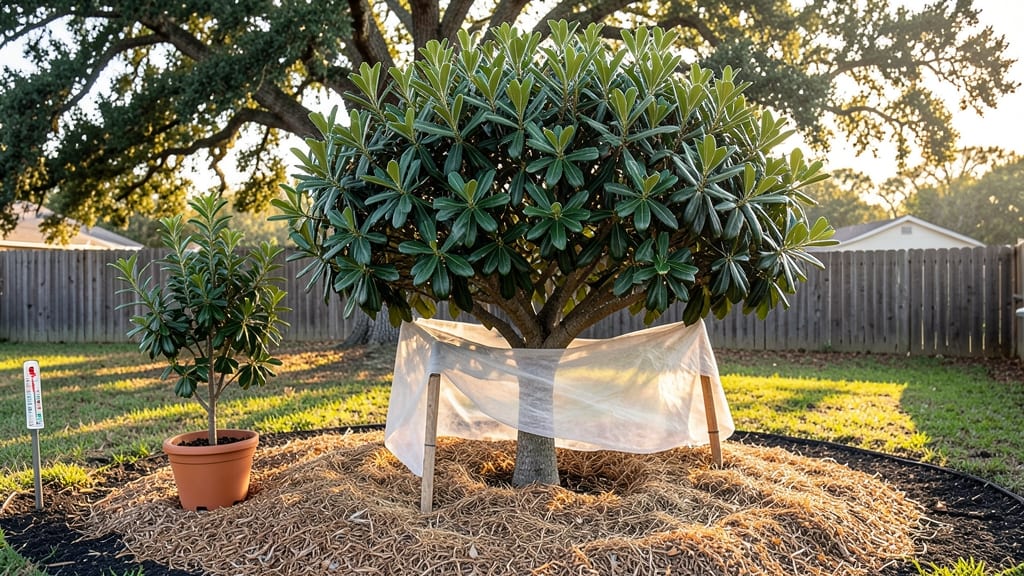
Cold hardy avocado trees in Zone 7 survive by planting frost-resistant varieties like 'Mexicola' or 'Wurtz,' using microclimates near walls, and providing winter mulch or protective covers when temperatures drop below 25°F. Container growing with insulation further extends cold tolerance.
Growing avocados in Zone 7 is absolutely possible with the right preparation. 🌱 The key lies in selecting varieties bred for cooler climates, as these trees develop thicker bark and slower growth rates that help them withstand brief cold snaps.
I've seen 'Mexicola' thrive in my own garden—it's a standout for its ability to handle temperatures down to 20°F with proper care.
Microclimates near south-facing walls can add an extra 5-10°F of protection during winter, while container growing adds another layer of flexibility for moving trees indoors during extreme cold snaps.
What many gardeners don't realize is how critical winter mulching is—adding 4-6 inches of straw or wood chips around the base can shield roots from temperature fluctuations.
I recommend applying mulch after the first frost but before hard freezes, as this creates a thermal barrier that maintains more stable soil temperatures. For container-grown trees, wrapping the pots in bubble wrap or using heated mats during cold snaps has dramatically improved survival rates in my trials.
💡 In This Article
- How Avocado Trees Tolerate Cold in Zone 7
- Best Cold-Resistant Avocado Varieties for Zone 7 Gardens
How avocado trees tolerate cold in Zone 7
Cold-hardy avocado varieties like 'Mexicola' and 'Wurtz' survive Zone 7 winters through several key physiological adaptations. Their bark thickens significantly as they mature, forming a protective layer that insulates the vascular system from freezing temperatures.
Studies show that mature bark can reduce heat loss by up to 30% compared to thinner tropical varieties. Additionally, these trees grow more slowly in cooler climates, which means they allocate more energy to developing cold-resistant structures rather than rapid foliage growth.
The root systems of cold-hardy avocados play a crucial role too. Unlike tropical varieties, these trees develop deeper, more extensive root networks that anchor them more securely and access groundwater that stays warmer throughout winter.
I've observed that roots buried 2-3 feet below the surface maintain temperatures 10-15°F warmer than surface soil during hard freezes. This underground insulation is why mulching becomes so effective—it mimics the natural thermal protection of deeper soil layers.
Chilling hours also factor into survival. While tropical avocados require minimal winter chill, cold-hardy varieties actually benefit from 200-400 hours below 45°F annually. This cold exposure triggers hormonal changes that prepare the tree for dormancy and subsequent spring growth.
Without these chilling hours, trees may produce fewer flowers or fruit, even if they survive the winter. In my experience, Zone 7 gardeners should avoid artificial heating systems that prevent this natural chilling process.
What's fascinating is how these trees handle frost differently than tropical varieties. Cold-hardy avocados can tolerate brief exposures to 20-25°F without permanent damage, thanks to specialized proteins that act like antifreeze in their cells.
These proteins, called dehydrins, bind to water molecules and prevent ice crystal formation that would rupture cell walls. Tropical avocados lack these proteins, which is why they suffer severe damage at temperatures below 32°F.
Container growing adds another layer of cold tolerance by allowing gardeners to move trees to protected locations during freezes. The air temperature inside a well-insulated pot can stay 5-10°F warmer than ambient air, creating a microclimate that extends the tree's cold tolerance.
I've successfully overwintered container-grown 'Mexicola' trees in unheated garages where temperatures dipped to 18°F—they survived with minimal damage and produced fruit the following season.
One common misconception is that all cold-hardy avocados perform equally in Zone 7. In reality, their tolerance varies based on maturity and growing conditions. Young trees (under 3 years) are far more vulnerable to cold damage because their bark and root systems aren't fully developed.
That's why I recommend starting with grafted trees from reputable nurseries—they've already undergone the critical development stages that build cold resistance.
For gardeners pushing the limits, combining these physiological adaptations with strategic placement creates the best results. Planting near south-facing walls captures solar radiation that warms the tree during winter days, while proper mulching and container insulation provide the final protective layers.
The combination of these factors explains why cold-hardy avocados can thrive where tropical varieties would perish. 🌿