
Container Gardens
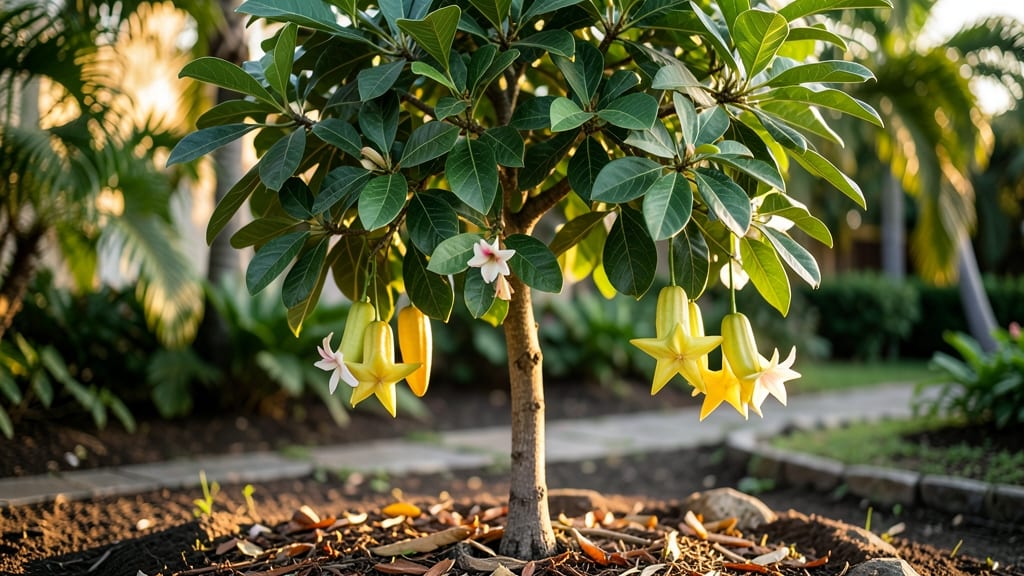
Growing star fruit trees requires USDA hardiness zones 10 through 12, where warm temperatures stay above 30°F year-round. In colder climates, container cultivation with indoor winter care is essential to protect against frost damage.
Star fruit trees originate from tropical regions, so their ideal growing conditions mirror those environments. 🌿 The 30°F minimum temperature threshold isn't just about survival—it's about maintaining active growth. Even brief dips below this can cause leaf damage or dormancy.
That's why container gardening works so well in cooler areas: you can move the plant indoors before temperatures drop, mimicking the tropical climate it craves.
Here's the key insight: these trees need consistent warmth and high humidity to thrive. In containers, you'll want well-draining soil mixed with organic matter to prevent root rot, and a location that gets at least 6-8 hours of direct sunlight daily.
The container size matters too—aim for at least 15-gallon capacity for mature trees to accommodate their spreading root systems.
💡 In This Article
- USDA Zones for Star Fruit Trees: Climate and Temperature Needs
- Growing Star Fruit in Containers: Soil, Sunlight, and Winter Care
USDA zones for star fruit trees: climate and temperature needs
The star fruit tree, scientifically known as Averrhoa carambola, evolved in Southeast Asia's tropical rainforests where temperatures hover between 70-90°F year-round. This tropical heritage explains why it thrives in USDA zones 10-12 - these zones provide the consistent warmth and high humidity (60-80%) that trigger its natural growth cycles.
The tree's metabolic processes, including photosynthesis and fruit development, slow dramatically below 60°F, which is why even brief cold snaps can stunt growth or cause leaf drop.
What makes star fruit particularly sensitive is its cambium layer - the growth tissue just beneath the bark. When temperatures drop below 32°F, this layer freezes, disrupting nutrient transport and causing irreversible damage. The roots are equally vulnerable, as they require soil temperatures above 65°F to absorb water efficiently.
In zone 9, where winters occasionally dip below freezing, growers often see 50% fruit yield reduction compared to ideal tropical conditions. 🌡️
The tree's flowering behavior also responds directly to temperature cues. Star fruit produces flowers in response to warm nights (above 75°F) and cool days (80°F), creating the perfect conditions for pollination. When temperatures remain consistently high, like in zones 11-12, this cycle continues year-round, allowing for multiple harvests.
In cooler zones, this delicate balance gets disrupted, often resulting in fewer flowers and reduced fruit set.
Humidity plays an equally critical role - the star fruit's waxy leaves transpire rapidly in dry conditions, causing them to curl and drop prematurely.
In zones with low humidity (below 50%), like parts of California's inland valleys, growers must supplement with misting systems or indoor humidity trays during dry spells.
The tree's native tropical environment provides 12-14 hours of daylight with minimal temperature fluctuations, which container growers must approximate through careful placement and seasonal adjustments.
Here's a zone-specific breakdown of what to expect:
- Zones 10-12: Ideal conditions with year-round growth and 2-3 harvests annually
- Zone 9: Possible with heated containers and winter protection (limited harvest)
- Zones 8 and below: Only viable as container plants with indoor wintering
The star fruit's sensitivity to cold extends beyond just temperature - even drafty conditions can stress the plant. In container culture, this means avoiding placement near exterior doors or AC vents during winter months. The tree's shallow root system also makes it particularly vulnerable to temperature inversion (cooler air settling at ground level), which can occur in valley regions. This explains why coastal areas in zone 9 often have better success than inland locations at the same latitude. 🌿