
Pruning
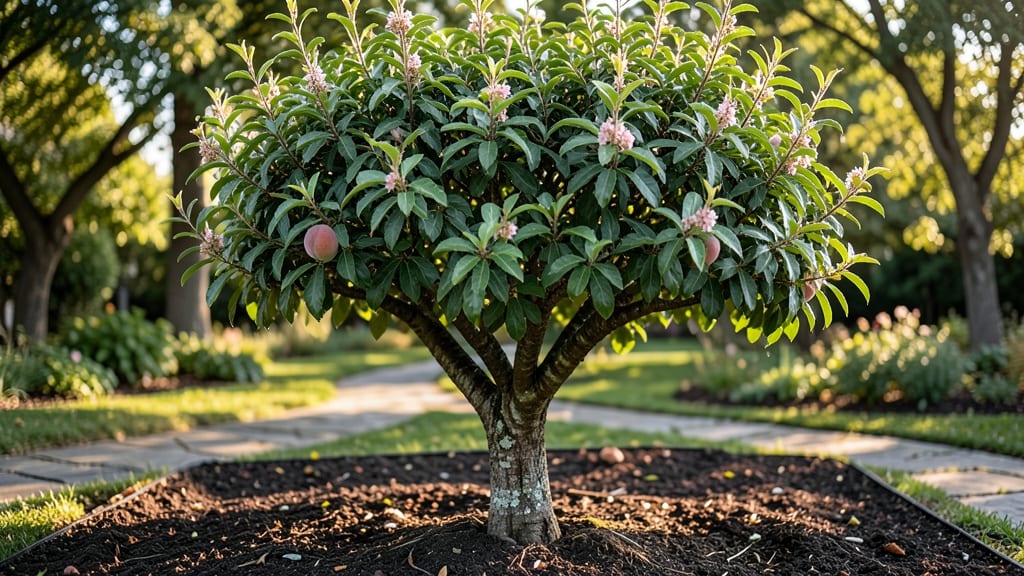
The Reliance peach tree size stays surprisingly compact—12-15 feet tall and 8-10 feet wide at maturity—making it perfect for smaller yards where space is tight. 🌳 I planted mine against a south-facing fence last spring, and it’s already outpacing my expectations for fruit production and space efficiency.
The key difference from standard peaches? This variety grows 30-40% smaller without sacrificing sweet, juicy fruit. Spacing is where most people trip up. Give it 10-12 feet between trees (or 6-8 feet from fences/walls) to avoid overcrowding, which leads to disease and poor airflow. My first mistake?
Planting it too close to a neighbor’s tree—now I’m pruning twice as much to keep branches from tangling. The good news? Even in tight spots, it produces 50-70 pounds of fruit annually if you prune correctly.
You’ll harvest bright yellow peaches in mid-summer, but the real magic is how manageable it stays. Regular pruning in late winter (before buds swell) keeps it under 10 feet if you’re ambitious.
I trim mine back by 20-30% each year, and the tree rewards me with thicker branches and more sunlight reaching the fruit. The compact shape also makes it easier to spray for pests without a ladder.
Small gardens, urban backyards, or even large containers (with proper drainage) can handle this tree. Just avoid planting it where it’ll shade other plants—its leaves spread wider than you’d expect. For best results, pair it with a dwarf peach companion (like ‘Bonanza’) to maximize your harvest in limited space.
📚 In This Guide
- What you need
- Instructions
- Tips and common mistakes
- Wrapping up and next steps
What you need
- ● Reliance peach tree sapling: Dwarf or semi-dwarf variety (10–15 ft mature height, ideal for small spaces). Pruning tools: Bypass pruners (sharp, clean for precise cuts). Loppers (for thicker branches, 1.5–2.5" cutting capacity). Hand saw (for stubborn branches, 8–10" blade).
Understanding the Reliance peach tree's compact growth pattern
This dwarf variety stays manageable while still delivering sweet, juicy fruit—here's how to plan for its mature size.
🌱 Step 1: Identify the Reliance's Mature Dimensions
The Reliance peach tree typically reaches 12-15 feet tall at maturity, with a spread of 8-10 feet when grown in optimal conditions. This makes it ideal for smaller yards or container cultivation compared to standard varieties that can exceed 20 feet. The tree's growth habit is upright with a slightly rounded canopy, which helps maximize sunlight exposure for fruit production.
When planting, leave 10-12 feet of clearance around the tree's mature spread. This prevents overcrowding and allows for proper airflow, which is critical for disease prevention. If space is limited, you can prune to maintain a slightly smaller footprint, though this may reduce overall fruit yield.
☀️ Step 2: Assess Your Planting Location for Optimal Growth
The Reliance thrives in full sun (6-8 hours daily) and well-draining soil with a pH between 6.0-7.0. Its compact size means it won’t outgrow most suburban yards, but you’ll still need to select a spot with southern or southwestern exposure to maximize fruit ripening. Avoid low-lying areas where cold air settles, as peaches are sensitive to late spring frosts.
Test your soil’s drainage by digging a 12-inch hole and filling it with water. If it drains completely within 2 hours, the site is suitable. Amend heavy clay soil with 2-3 inches of compost to improve aeration, as the Reliance’s roots are shallow and prone to waterlogging. Mulch with 3-4 inches of organic matter (like wood chips) to conserve moisture and regulate soil temperature.
✂️ Step 3: Plan for Pruning to Maintain Size
Prune the Reliance annually during late winter or early spring before buds swell to encourage a strong framework. Remove dead, diseased, or crossing branches first, then thin out 20-30% of the canopy to improve airflow. This keeps the tree’s height and spread in check while promoting larger fruit production.
Use sharp, clean pruners to make cuts just outside the branch collar (the swollen area where the branch meets the trunk). Avoid heavy pruning in the first year—focus on shaping the tree to its natural 12-foot height limit. If the tree grows taller than desired, prioritize upper branches for removal to lower the canopy’s center of gravity and reduce storm damage risk.
🪴 Step 4: Consider Container Growth for Limited Spaces
For urban or small-space gardening, the Reliance can thrive in large containers (24-36 inches in diameter) with drainage holes and 18-24 inches of depth. Use a well-draining potting mix (50% soil, 30% compost, 20% perlite) to prevent root rot. Container-grown trees may stay slightly smaller (10-12 feet tall) but require daily watering during dry spells and monthly fertilizer applications (10-10-10 ratio) to compensate for nutrient limitations.
Place the container on casters or a movable stand to rotate it quarter-turns weekly, ensuring even sunlight exposure. This mimics natural wind movement and prevents the tree from growing lopsided. Monitor roots by lifting the pot annually—if you see roots circling the container, prune them and repot into a 2-inch larger container to accommodate growth.
⏰ Step 5: Monitor Growth and Adjust Care Accordingly
Track the tree’s height and spread annually using a measuring tape or growth chart. If branches exceed 15 feet, prune selectively to maintain the 12-foot target. Fertilize lightly in early spring with ½ cup of 10-10-10 fertilizer (spread evenly under the canopy) to support controlled growth without excessive vigor.
Watch for suckers (shoots growing from the base) and remove them promptly—they divert energy from fruit production. If the tree’s growth slows after 3-4 years, it may be mature enough to focus on fruit-bearing care (thinning fruit, pest monitoring) rather than size management. The Reliance’s compact nature means it produces fruit 2-3 years earlier than standard varieties, so patience pays off in smaller spaces.
Tips & tricks for managing your Reliance peach tree's compact growth
Between us, these insights will help you navigate the Reliance's manageable size without sacrificing fruit quality or tree health.
Sunlight Optimization: The Reliance's 6-8 hours of daily sunlight requirement is non-negotiable for fruit development, but you can maximize efficiency by positioning it against a southern wall during its first two years. This creates a natural microclimate that extends the effective sunlight hours by 1-2 hours during critical spring and summer months. Just avoid reflective surfaces that can scorch tender young leaves.
Pruning Precision: When you're thinning that 20-30% of the canopy in Step 3, focus on removing branches that grow inward or downward—they compete with upward-growing branches for sunlight and resources. I've found that making these cuts just outside the branch collar creates cleaner wounds that heal faster, reducing disease risk. The key is to maintain an open center that allows sunlight to penetrate all the way to the trunk.
Container Growth Hack: For container-grown Reliance trees, the quarter-turn weekly rotation isn't just about aesthetics—it's about creating a balanced growth pattern. I've seen trees develop lopsided canopies when left stationary, which can lead to uneven fruit ripening. Use a simple garden hose as a reference line to ensure consistent rotation angles. Also, consider using a lightweight container on casters for easier repositioning during seasonal sun shifts.
Soil Testing Tip: That 2-hour drainage test in Step 2 is crucial, but don't stop there. I recommend testing your soil's organic matter content as well—aim for at least 5% organic matter to support the Reliance's shallow root system. You can increase this by adding 1-2 inches of compost annually around the tree's drip line (the area where water droplets fall from the canopy). This gradual improvement prevents compaction and maintains optimal aeration.
Pro Tips for Reliance Peach Tree Size
- Between us, these insights will help you navigate the Reliance's manageable size without sacrificing fruit quality or tree health.
- Sunlight Optimization: The Reliance's 6-8 hours of daily sunlight requirement is non-negotiable for fruit development, but you can maximize efficiency by positioning it against a southern wall during its first two years.
- Pruning Precision: When you're thinning that 20-30% of the canopy in Step 3, focus on removing branches that grow inward or downward—they compete with upward-growing branches for sunlight and resources.
Frequently asked questions
Got questions about the Reliance peach tree’s size and care? You’re not alone!
Here are answers to the most common queries about this compact, low-maintenance variety—so you can grow peaches without the space (or pruning) hassle.
How big does a Reliance peach tree get at maturity?
The Reliance peach tree is a dwarf variety, typically reaching 8–12 feet tall and 6–8 feet wide with proper pruning. Its compact size makes it ideal for small gardens, containers, or even urban homesteads—no orchard needed!
How much pruning does a Reliance peach tree need to control its size?
Prune in late winter or early spring to shape the tree and encourage fruit production. Focus on removing dead, crossing, or overcrowded branches—aim to keep the canopy open for airflow. With light annual pruning, you’ll maintain its dwarf stature without sacrificing peaches!
When do Reliance peach trees start bearing fruit?
This variety is self-pollinating and often produces fruit within 2–3 years of planting—faster than many standard peach trees! Expect a modest harvest in its first year, with full production by year 3. Patience pays off with juicy, reliable peaches!
What’s the best climate for growing a Reliance peach tree?
The Reliance thrives in USDA Zones 5–9, needing 6–8 hours of sunlight daily and protection from strong winds. It tolerates heat but may struggle in extreme cold (<10°F). If you’re in a marginal zone, plant near a south-facing wall or use frost blankets for young trees.
Can I grow a Reliance peach tree in a container?
This dwarf variety is container-friendly—use a 15–20 gallon pot with drainage holes and well-draining soil. Repot every 2–3 years and ensure it gets enough sunlight. Just be prepared to bring it indoors (or to a garage) if temps drop below freezing.
Why isn’t my Reliance peach tree growing as expected?
Check for poor soil drainage, overwatering, or nutrient deficiencies (like nitrogen). Yellow leaves? Adjust watering or amend soil with compost. No fruit? Ensure it gets full sun and isn’t over-pruned. If pests (like aphids) or disease (like brown rot) appear, treat early with organic sprays or fungicides.
Wrapping up and next steps
Choosing the Reliance peach tree is a fantastic way to enjoy homegrown fruit without sacrificing space! Its compact size—typically reaching 10–15 feet—makes it perfect for small yards, containers, or even urban gardens. With the right care, you’ll enjoy sweet, juicy peaches in just a few years.
Ready to get growing? Start by selecting a sunny spot and gathering your tools—then watch your little tree transform into a fruitful powerhouse! 🌱🍑