
Pruning
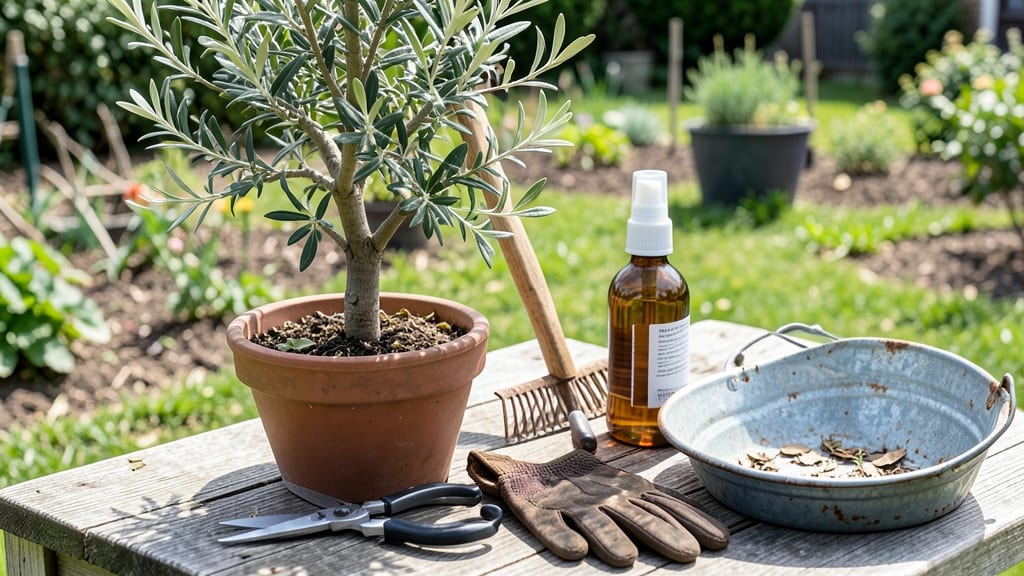
Pruning an olive tree in a pot keeps it compact and productive—without turning it into a gnarled mess. 🌿 I’ve pruned potted olives for years, and the key is timing: light pruning in late winter (before new growth) and minimal shaping in summer to avoid stress.
Over-prune, and you’ll stunt growth; skip it, and your tree becomes unruly. The right tools make all the difference—a sharp bypass pruner for clean cuts, gloves (olive branches are spiky!), and a small ladder if your tree is tall.
Focus on removing dead or crossing branches first, then thin out crowded growth to improve airflow. Never cut more than 25% of the foliage in one session. After pruning, water deeply and hold off on heavy feeding for 4-6 weeks—the tree needs time to recover.
You’ll see fresh green shoots within 6-8 weeks, and the shape will hold up beautifully. The best part? Potted olives respond faster than in-ground ones because their roots aren’t competing for space. Mistakes happen—like pruning too late in the season or leaving stubs—but these tips keep your tree thriving.
Whether you’re shaping a bonsai-style olive or just keeping it tidy, this method works for any container size.
📚 In This Guide
- What you need
- Instructions
- Tips and common mistakes
- Wrapping up and next steps
What you need
- ● Pruning shears: Bypass pruners (for clean cuts on small branches, 4-6 inches long). Sharpness is key!
- ● Loppers: Bypass or anvil type (for thicker branches, 8-12 inches long).
- ● Hand saw: Pruning saw with a fine-tooth blade (for branches thicker than 1.5 inches).
- ● Disinfectant: 70% isopropyl alcohol or diluted bleach solution (to sterilize tools between cuts).
- ○ Pruning sealant: Optional but helpful (for sealing larger cuts to prevent disease).
- ● Gloves: Heavy-duty gardening gloves (to protect from thorns and sap).
- ○ Dust mask: Optional (if working in dusty conditions).
- ● Bucket or bag: For collecting pruned branches (to keep your workspace tidy).
- ● Time of year: Prune during dormant season (late winter/early spring) or after harvest (fall). Avoid extreme heat or cold.
- ● Weather: Choose a calm, dry day (no rain forecasted for 24 hours).
- ● Tree health: Ensure your olive tree is well-watered but not soggy before pruning.
- ● Safety first: Remove any dead, diseased, or crossing branches first to reduce stress on the tree.
Step-by-step instructions for pruning olive trees in pots
Here's how I keep my potted olive trees lush and compact—no matter the season.
✂️ Step 1: Time Your Pruning for Optimal Growth
Prune your potted olive tree in early spring (just as new growth begins) and again in late winter before buds swell. This two-step approach prevents overgrowth while maintaining shape. Avoid heavy pruning in summer—it stresses the tree when it's already working hard to produce fruit or new leaves.
Look for dormant but not frozen branches. The bark should be firm, not brittle, and buds should be slightly swollen. If you see fresh green growth, you’ve missed the ideal window. I always prune on a mild, overcast day—direct sun can stress freshly cut branches.
🌿 Step 2: Remove Dead or Diseased Branches First
Start by inspecting the tree for dead, crossing, or diseased branches. Dead branches snap easily when bent—remove these first. Diseased branches (often brown, mushy, or oozing sap) should be cut back to healthy wood. Use sterilized pruners (wipe with rubbing alcohol) to prevent spreading pathogens.
Next, target crossing branches—where limbs rub against each other. These create wounds and weak spots. Cut the smaller branch at its base, leaving the larger one intact. If both are equal, remove the one growing inward. This step ensures airflow and reduces future pruning struggles.
✂️ Step 3: Shape the Tree with Strategic Cuts
Step back and visualize your tree’s shape. Olive trees grow naturally bushy, but potted varieties need structured pruning to stay compact. Use your pruners to trim back overly long branches by about one-third their length. Cut just above an outward-facing leaf or bud—this encourages growth in the right direction.
For a rounded shape, focus on outer branches. Avoid cutting into the center, where light and air can’t circulate. If a branch is too thick to cut by hand, use a pruning saw (clean it with alcohol before and after). Always make cuts at a 45-degree angle to prevent water pooling on wounds.
🪴 Step 4: Thin Out Crowded Growth for Airflow
Olive trees in pots can get overcrowded quickly. Look for suckers (shoots growing from the base or trunk) and thin them out—these drain energy from the main structure. Also, remove weak, leggy branches growing straight up; they rarely produce fruit and disrupt the tree’s balance.
Thinning isn’t just about looks—it’s about health. A well-aerated tree resists pests and disease. After thinning, step back again: your goal is a balanced silhouette with open space in the center. If you’re unsure, less is more—olive trees recover well from minimal pruning.
☀️ Step 5: Post-Pruning Care for Faster Recovery
After pruning, water deeply to help the tree recover. The roots will need to support new growth, and a good soak prevents shock. Avoid fertilizing immediately—wait 4-6 weeks to let cuts heal. If you notice sap oozing from pruning wounds, apply pruning sealant (optional but helpful in humid climates).
Monitor the tree for new growth in 2-4 weeks. Healthy branches will sprout fresh leaves within this time. If you see yellowing leaves or stunted growth, you may have pruned too aggressively. Next time, cut back even more gradually. Potted olives are resilient, but patience is key!
Tips & tricks for perfect olive tree pruning
Common pitfalls—and how to sidestep every one when shaping your potted olive tree.
Seasonal Timing Secret: The early spring and late winter windows are non-negotiable for potted olives. I learned this the hard way after seeing my tree stress during summer pruning—those high temps sap energy needed for recovery. Check for those slightly swollen buds (they should feel firm, not mushy) before making cuts. If you're unsure about timing, mark your calendar for the first day you see fresh green growth in spring.
Tool Technique: Sterilizing your pruners between cuts is more important than most gardeners realize. I keep rubbing alcohol handy and wipe blades after every diseased branch. For thick branches, a 45-degree angle cut prevents water pooling—this simple detail keeps wounds from becoming infection sites. And never use dull tools; sharp pruners make cleaner cuts that heal faster.
Shape Strategy: Visualize your tree's silhouette from all sides before making cuts. I step back every few minutes during pruning to check balance. Focus on outer branches first—they'll create that lush, rounded shape while keeping the center open for airflow. Remember, you can always remove more, but you can't put back what's gone. For stubborn branches, I make two cuts: first parallel to the branch collar, then perpendicular to sever it cleanly.
Recovery Wisdom: That 4-6 week wait before fertilizing is crucial—your tree is using all its energy to heal wounds. I've seen potted olives show new growth in just 2-4 weeks, but if you notice yellowing leaves or stunted shoots, you've likely pruned too aggressively. In that case, cut back even more gradually next time. And if you see sap oozing, a quick application of pruning sealant (especially in humid climates) prevents bacterial infections.
Pro Tips for Prune An Olive Tree In A Pot
- Common pitfalls—and how to sidestep every one when shaping your potted olive tree.
- Seasonal Timing Secret: The early spring and late winter windows are non-negotiable for potted olives.
- Tool Technique: Sterilizing your pruners between cuts is more important than most gardeners realize.
Frequently asked questions
Got questions about pruning your potted olive tree?
You’re not alone! Here are answers to the most common concerns—so you can keep your tree thriving without stress.
When is the best time to prune a potted olive tree?
Prune after harvest (late fall/winter) to avoid stressing the tree during fruiting. Light shaping can happen in early spring (before buds swell), but avoid heavy cuts in summer or extreme heat. Cold-hardy varieties may tolerate light pruning in late winter—just check your zone!
How much can I trim back a potted olive tree?
Never remove more than 25-30% of the foliage in one session. Over-pruning weakens the tree and reduces next year’s crop. For young trees, focus on shaping (removing only dead or crossing branches). Mature trees can handle selective thinning to improve airflow.
What if my olive tree looks sad after pruning?
Yellow leaves or slow growth? You might’ve pruned too late or too aggressively. Water deeply and fertilize with a balanced, low-nitrogen formula (like 6-6-6) to recover. If branches die back, prune them in early spring—olive trees are resilient but need patience!
Can I prune olive trees in pots the same way as in-ground trees?
Mostly yes, but potted trees need more frequent pruning (every 3–6 months) to control size. Use smaller, sharper cuts—root-bound trees handle stress worse. Avoid "topping" (cutting back to stubs), which encourages weak growth. Instead, prune to maintain a natural shape.
Do I need special tools for potted olive trees?
Basic tools work: bypass pruners (for small branches), loppers (thicker stems), and sterilized shears (to prevent disease). A hand saw helps for stubborn branches. Disinfect tools with rubbing alcohol between cuts to avoid fungal spread—especially in tight pots!
Wrapping up and next steps
Pruning your potted olive tree doesn’t have to be intimidating—just follow the right timing, tools, and techniques to keep it healthy and stunningly compact! 🌿 With regular care, you’ll encourage lush growth, better fruit production, and a shape that fits your space perfectly.
Now that you’re armed with the know-how, grab those shears and get pruning!
Ready to take it further? Next up: Learn how to repot your olive tree for long-term happiness or explore common pests to watch for—your thriving potted olive awaits! 🌱