
How To
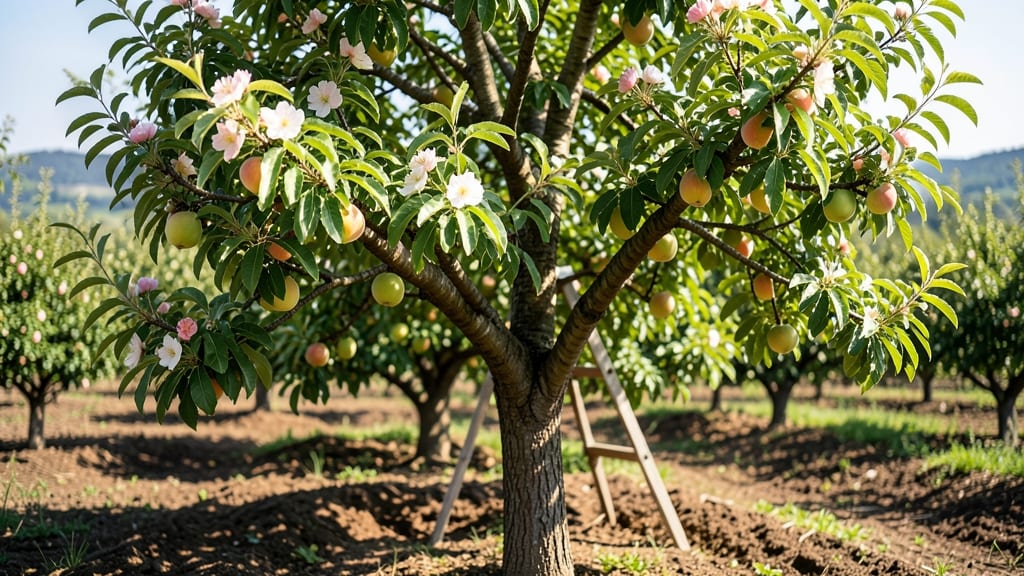
How tall will a peach tree grow? The answer varies wildly—from a compact 8-foot dwarf to a towering 25-foot giant—depending on the variety you choose.
If you’re dreaming of backyard peaches but worried about space, you’re not alone. The wrong choice could mean pruning battles or a tree that outgrows your yard faster than you can say "harvest season."
Dwarf varieties like 'Bonanza' stay manageable, while standard types like 'Redhaven' can stretch toward the sky. Below, I’ll break down the height ranges for popular cultivars, plus pro tips to keep your tree at your ideal size.
Whether you’re planning a container orchard or a full-sized backyard tree, knowing these details upfront saves headaches—and pruning shears—later.

Peach tree height by variety: dwarf to standard sizes explained
Choosing a peach tree isn’t just about flavor—it’s about space planning. A standard peach tree can reach 20-30 feet, while dwarf varieties stay under 12 feet. This difference impacts everything from fruit harvesting to sunlight exposure for lower branches.
Let’s break down the heights of popular varieties so you can pick the perfect fit for your garden or orchard.
Peach trees fall into three main size categories: dwarf, semi-dwarf, and standard. Each has unique space requirements and growing conditions. For example, 'Bonanza' (a dwarf) thrives in containers, while 'Redhaven' (a standard) needs room to stretch its branches wide.
Understanding these differences ensures your tree grows healthy and productive.
Here’s the key: rootstock determines size more than the scion (the top part). Dwarfing rootstock like 'Lovell' or 'Halford' keeps trees small, while seedling rootstock produces full-sized trees. Always check the rootstock when buying—it’s the secret to controlling height without stunting fruit production.
Now, let’s compare the heights of 10 popular peach varieties, from the smallest dwarf to the tallest standard. This visual guide will help you visualize which size fits your space, whether you’re growing in a backyard orchard, container garden, or commercial farm.
How to control peach tree height: pruning tips for compact growth
If your peach tree is outgrowing its space, don’t panic—pruning is your secret weapon for compact growth. With the right techniques, you can keep your tree manageable while maximizing fruit production.
The key is timing, tools, and knowing how much to trim. Let’s break it down into simple steps so you can shape your tree like a pro.
Before grabbing your pruners, remember: peach trees grow best when pruned correctly. Over-pruning can stress the tree, while under-pruning leads to unruly branches. Aim for a balance that encourages airflow and sunlight penetration—critical for fruit quality and disease prevention.
Start by gathering your tools: sharp bypass pruners, loppers for thicker branches, and rubbing alcohol to sterilize cuts.
Choose the Right Season
Prune dormant trees in late winter (before buds swell) or early spring. Summer pruning is for shaping and removing water sprouts—never remove more than 25% of the canopy at once.
Remove Dead or Diseased Wood
Cut out dead branches, crossing limbs, and any with signs of peach leaf curl or canker. Make clean cuts 1/4 inch above a bud or branch collar to prevent damage.
Thin Out Crowded Branches
Selectively remove suckers and branches growing inward. Aim for an open-center shape to improve airflow. Never remove more than 3-4 branches per year from mature trees.
Consider Espalier for Small Spaces
Train your tree against a trellis or fence using espalier techniques. This method keeps the tree under 8 feet tall while maximizing fruit production in tight spaces.
Avoid Common Mistakes
Don’t top the tree (cutting the main stem)—it encourages suckers and weak growth. Also, avoid pruning in fall, as it increases disease risk before winter dormancy.
For first-time pruners, create a pruning checklist to stay organized. Mark tasks like sterilizing tools, identifying dead wood, and measuring branch thickness. If your tree is already too tall, consider gradual reduction over 2-3 years to avoid shocking the plant.
Patience pays off—your tree will thank you with better fruit and a more manageable shape.
Remember, peach trees respond well to consistent care. Combine pruning with proper watering and fertilization to keep your tree healthy and compact. With these tips, you’ll enjoy a productive, space-friendly peach tree for years to come. Happy pruning!