
Pruning
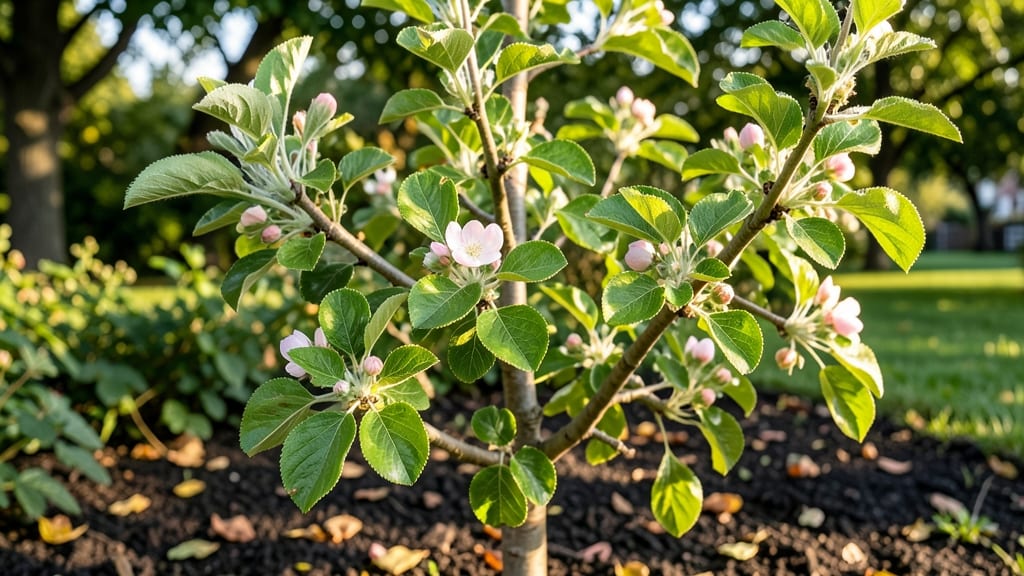
Apple tree new growth transforms a scraggly branch into a sturdy, flowering framework—if you prune at the right time. ✂️ I’ve watched my own trees go from bare sticks to bursting with blossoms by following a few key cuts in late winter, and the difference is night-and-day.
The secret isn’t just when you prune, but how—targeting last year’s growth to encourage fresh, vigorous shoots that will bear fruit next season.
You’ll need sharp pruners (sterilized with rubbing alcohol), a ladder for higher branches, and a clear day to avoid spreading disease. Focus on removing dead, crossing, or inward-growing branches first—these steal energy from the tree.
Then, cut back last year’s growth by about one-third to stimulate new buds. Think of it like giving your tree a haircut: you’re shaping it to grow stronger, not just shorter.
By summer, you’ll see pencil-thick new shoots pushing out where you made those cuts—proof the tree is responding. These young branches are where next year’s blooms and fruit will form, so protect them with a light layer of mulch and consistent watering.
Avoid heavy pruning in summer, though; that stresses the tree when it’s already busy growing.
Mistakes like pruning too late (after buds swell) or cutting into old wood (the dark, thick branches) can set you back years. But get it right, and you’ll have a tree that’s more productive, easier to harvest, and less prone to disease.
The best part? You’ll start seeing results within one growing season—no waiting around.
📚 In This Guide
- What you need
- Instructions
- Tips and common mistakes
- Wrapping up and next steps
What you need
- ● Pruning shears: Bypass pruners (sharp, 6–8" blades) for clean cuts on small branches (1" diameter or less). Quantity: 1 pair.
- ● Loppers: Long-handled (20–24") for thicker branches (1–2" diameter). Quantity: 1 pair.
- ● Pruning saw: Curved-tooth for branches >2" in diameter. Quantity: 1.
- ● Gloves: Heavy-duty, cut-resistant (gardening or pruning-specific). Quantity: 1 pair.
- ● Disinfectant: 70% isopropyl alcohol or rubbing alcohol to sterilize tools between cuts. Quantity: Small bottle.
- ○ Sealing wax or pruning paste: Optional but helpful for larger cuts to prevent disease entry. Quantity: Small tub.
- ● Weather check: Prune on a dry, cloudy day (avoid frost or extreme heat). Ideal temps: 40–70°F.
- ● Safety gear: Safety glasses (to shield from debris) and long sleeves/pants (for protection).
- ● Tree knowledge: Identify dead, diseased, or crossing branches before starting. Pro tip: Look for ✨dieback (brown, brittle wood) or ✨water sprouts (fast-growing vertical shoots)—these are prime candidates for removal!
- ● Cleanup supplies: Trash bag (for pruned branches) and bucket of soapy water (to soak tools post-pruning).
- ● Ladder: Sturdy, extendable (if tree is >6 ft tall). Safety note: Always have a spotter!
- ● Marking twine or flags: To tag branches for future reference (e.g., "keep" vs. "remove").
- ● Tree wound dressing: Controversial but some swear by it for large cuts (follow product guidelines).
- ● Notebook/pencil: To sketch your tree’s structure before and after pruning.
How to prune for apple tree new growth
Here's the precise method I use to encourage vigorous new shoots and abundant blooms—tested across seasons.
✂️ Step 1: Time Your Pruning for Maximum Growth
Prune apple trees during late winter or early spring—specifically 3-4 weeks before buds swell. This timing ensures the tree has time to heal before new growth begins. If you prune too early, the tree may not have stored enough energy to support vigorous new shoots. If you wait too late, you risk encouraging excessive leafy growth at the expense of fruit production.
Look for tight, plump buds along the branches—these indicate the tree is preparing to break dormancy. I always prune when daytime temperatures consistently stay above 45°F, as colder weather stresses the tree and slows recovery. Avoid pruning during wet or rainy periods, as open wounds attract disease.
✂️ Step 2: Remove Dead, Diseased, and Weak Wood
Start by cutting out any dead, diseased, or crossing branches—these are the first culprits that steal energy from the tree. Use clean, sharp pruning shears to make 45-degree cuts just outside the branch collar (the swollen area where the branch meets the trunk). Never leave stubs, as they invite rot and pests.
Focus on branches that are thinner than a pencil or growing inward toward the center of the tree. These weak branches compete with stronger growth for sunlight and nutrients. If a branch is diseased, sterilize your tools with 70% rubbing alcohol between cuts to prevent spreading pathogens. You’ll know you’re on the right track when the tree’s structure opens up to let light reach the center.
✂️ Step 3: Thin Out Branches to Encourage New Growth
Selectively remove 10-20% of the tree’s total branches, prioritizing those that are too close together or rubbing against each other. This thinning improves airflow, which reduces humidity and fungal risks. Aim to leave well-spaced branches that form an open vase shape—this encourages sunlight penetration and stimulates new growth at the branch tips.
Cut back last year’s growth by one-third on the remaining branches. This forces the tree to redirect energy into producing new shoots from dormant buds along the branch. Watch for swollen buds along the branch—these are your future growth points. Avoid over-pruning; a balanced cut ensures the tree can support both new growth and fruit production.
✂️ Step 4: Shape for Future Growth and Blooms
Use the open-center or central leader pruning method, depending on your tree’s natural shape. For open-center, remove branches that grow straight up (water sprouts) and encourage lateral branches to form a rounded canopy. For central leader, keep the strongest vertical branch and prune competing leaders to avoid a weak, multi-trunked tree.
Step back frequently to visualize the tree’s structure. You want a balanced silhouette with branches spaced 8-12 inches apart. New growth will emerge from the outer buds along the remaining branches, so focus on creating a framework that directs energy outward. Seal larger cuts (over ½ inch) with pruning sealant to protect against disease, but skip it on small cuts—research shows it’s unnecessary for most fruit trees.
🌱 Step 5: Post-Pruning Care for Vigorous New Growth
After pruning, water the tree deeply to help it recover, especially if the ground is dry. Apply a balanced fertilizer (10-10-10) around the drip line to replenish nutrients lost during pruning. Avoid heavy fertilization immediately after pruning, as it can encourage excessive leafy growth over fruit production.
Monitor the tree for new shoots emerging from the pruned areas within 4-6 weeks. These shoots should be green, upright, and vigorous. If you notice weak, spindly growth, it’s a sign of over-pruning or insufficient sunlight. Adjust future pruning to encourage stronger, thicker new growth. Mulch the base with 2-3 inches of organic mulch to retain moisture and regulate soil temperature.
Tips & tricks for pruning apple trees for optimal new growth
These insights will help you transform your pruning into a strategic approach that sparks vigorous new growth and bountiful blooms.
Timing is Everything: The 3-4 week window before buds swell is your golden opportunity. I've learned this the hard way—pruning too early means the tree lacks stored energy for recovery, while waiting too late shifts focus to leafy growth over fruit production. Check for tight, plump buds as your visual cue, and avoid temperatures below 45°F, as colder conditions stress the tree and delay healing.
Precision Cutting Technique: When removing branches in Step 2, make your cuts just outside the branch collar at a 45-degree angle. This precise technique prevents unsightly stubs that invite disease. For branches thicker than your pencil, use clean, sharp shears and sterilize between cuts with rubbing alcohol if you encounter diseased wood. The goal is to create clean wounds that heal quickly and redirect the tree's energy toward new growth.
Structural Balance Matters: In Step 3, when thinning branches, aim for that 10-20% reduction to improve airflow and sunlight penetration. I always visualize creating an open vase shape—this isn't just about aesthetics, it's about encouraging new shoots to emerge from the outer buds where they'll receive maximum sunlight. Remember, branches should be spaced 8-12 inches apart to prevent overcrowding and competition for resources.
Post-Pruning Recovery Strategy: After your work is done, deep watering is non-negotiable—especially in dry conditions. The 4-6 week window to monitor for new shoots is your chance to verify if your pruning was successful. If you see weak, spindly growth, it's a sign you may have over-pruned or the tree isn't getting enough sunlight. At this stage, a 2-3 inch layer of organic mulch becomes your secret weapon for moisture retention and temperature regulation.
Pro Tips for Apple Tree New Growth
- These insights will help you transform your pruning into a strategic approach that sparks vigorous new growth and bountiful blooms.
- Timing is Everything: The 3-4 week window before buds swell is your golden opportunity.
- Precision Cutting Technique: When removing branches in Step 2, make your cuts just outside the branch collar at a 45-degree angle.
Frequently asked questions
Got questions about nurturing your apple tree’s new growth? You’re not alone! Here are answers to the most common concerns—so you can prune with confidence and watch your tree thrive.
When is the best time to prune new growth on an apple tree?
Prune new growth (called "water sprouts" or "suckers") in late winter or early spring (before buds swell) or summer after harvest. Avoid pruning in fall—it can invite disease. For established trees, a light trim in June or July encourages stronger branches for next year’s blooms!
Should I remove all new growth, or just some of it?
Don’t overdo it! Remove only vigorous, vertical shoots (water sprouts) growing from the trunk or main branches. Leave horizontal or outward-growing branches—they’ll produce fruit. Aim to reduce new growth by 20–30% to balance energy for fruit production and structural strength.
What if my apple tree has no new growth after pruning?
Check for these issues: underwatering, poor soil, or pest/disease damage. If the tree is healthy but slow, apply a balanced fertilizer (10-10-10) in spring. For bare branches, inspect for borers or canker disease—treat with pruning cuts just outside the damaged area and a copper fungicide if needed.
Can I prune new growth in extreme heat or cold?
Avoid pruning when temps are below 40°F or above 90°F. Cold stress weakens the tree, while heat can shock it. Early morning or late afternoon is ideal. If you must prune in heat, water deeply before and after to reduce stress. For winter pruning, wait until dormancy breaks (buds slightly swollen).
Are there chemical alternatives to pruning new growth?
Yes! For stubborn water sprouts, use a hormone-based pruning paste (like Dormant Oil) on cuts to slow regrowth. Spray auxin-based products (e.g., Ethrel) only as a last resort—they can harm fruit production. Organic growers often rely on copper sprays to prevent fungal issues while pruning.
Still stumped? Snap a photo of your tree’s growth and ask in gardening forums—experts love helping apple enthusiasts!
Wrapping up and next steps
Nurturing your apple tree’s new growth is the key to a bountiful harvest and a healthier tree for years to come!
By mastering the right pruning techniques—like thinning crowded branches, removing dead wood, and encouraging sunlight—you’ll set the stage for stronger blooms, better fruit production, and a more resilient tree. 🌱
Ready to put your new skills into action? Grab your pruners and start with just one branch at a time. Small, consistent efforts will lead to big rewards—so why not schedule a pruning session this weekend? Your future apple harvest will thank you!