
Planting
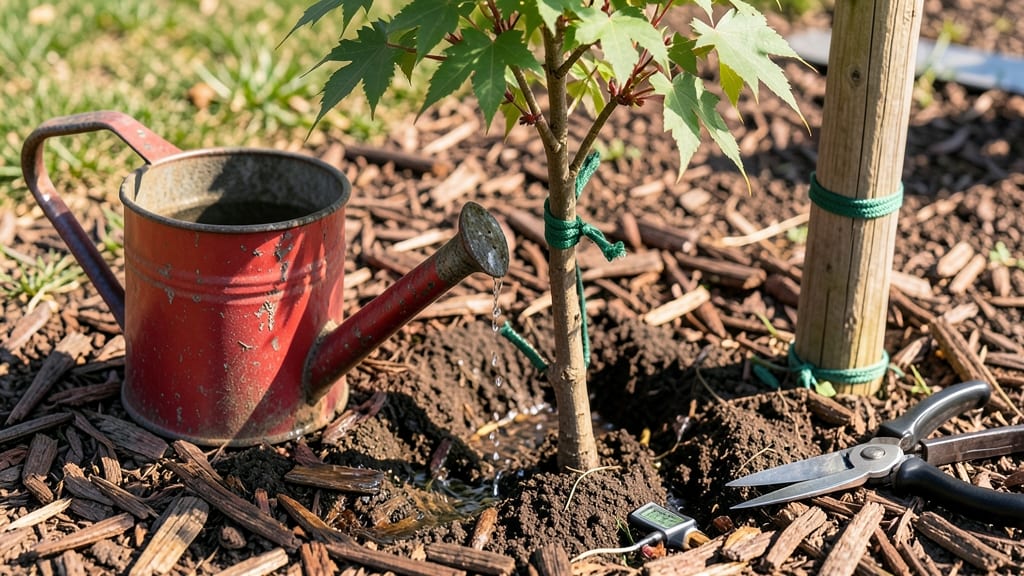
Understanding tree transplant shock recovery time reveals that most trees adapt within 2 weeks to 2 months, though conifers and broadleaf species recover faster than deep-rooted varieties like oaks or pines. Strategic care like consistent watering and proper mulching can significantly shorten this adjustment period.
Transplant shock occurs when trees experience stress from root disruption, and recovery speed depends on their natural resilience. 🌳 Shallow-rooted trees like willows or birches bounce back quicker because their roots regenerate faster, while deep-rooted species need more time to reestablish their extensive networks.
The key is mimicking their natural environment—keeping soil moist but not waterlogged and protecting roots with mulch helps stabilize them during this critical phase.
Season also plays a role: transplanting in early spring or fall gives trees time to establish roots before extreme weather stress. I've seen dramatic differences in recovery when following these guidelines—trees that receive proper aftercare often show new growth within just a few weeks rather than months.
💡 In This Article
- How Tree Species Affect Transplant Shock Recovery
- Speeding Up Tree Transplant Recovery with Care Tips
How tree species affect transplant shock recovery
The recovery time from transplant shock hinges on a tree's root system and natural resilience. Shallow-rooted trees like willows or cottonwoods adapt within 2-4 weeks because their fibrous roots spread horizontally, making them quicker to reestablish in new soil.
These species prioritize rapid regrowth to compete for sunlight and nutrients, which translates to faster recovery after disturbance. 🌿 In contrast, deep-rooted trees like oaks or pines develop extensive taproots that can extend 6-10 feet deep, requiring 2-6 months to regenerate because their root systems must rebuild from the ground up.
Conifers and broadleaf varieties also show distinct recovery patterns. Conifers like spruces or firs have needle-like foliage that reduces water loss, allowing them to focus energy on root regrowth during stressful periods. Their recovery typically falls within 4-8 weeks when conditions are ideal.
Broadleaf trees like maples or birches, however, experience a trade-off: their large leaves increase water demands, which can slow recovery if soil moisture isn't carefully managed. The leaves also create more surface area for transpiration, meaning these trees need consistent hydration to avoid additional stress.
Evergreen trees face unique challenges because they maintain foliage year-round, which means they're constantly photosynthesizing and transpiring—even during recovery. This continuous activity demands more energy and resources, often extending their recovery period to 6-12 weeks unless given optimal care.
Deciduous trees, on the other hand, can "pause" their growth during dormancy, which gives their roots time to establish without the added stress of supporting leaves. This seasonal strategy is why many gardeners prefer transplanting deciduous species in early spring or fall.
Root architecture also plays a critical role in how quickly a tree recovers. Trees with lateral (horizontal) roots, like fruit trees or most shade trees, spread out to anchor themselves and absorb water efficiently. These roots regenerate faster because they're closer to the surface and can access nutrients more easily.
Deep taproots, however, require more time because they must grow downward to re-establish stability and access water from deeper soil layers. This is why oaks or pines often take 3-6 months to show significant recovery—their roots are essentially rebuilding an entire underground network.
Consider the example of a red maple versus a white pine. The red maple, with its shallow, widespread roots, might show new growth within 6-8 weeks if transplanted in moist, well-draining soil.
The white pine, however, with its deep taproot and needle foliage, could take 3-4 months to stabilize, especially if transplanted in hot, dry conditions.
The difference lies in how each species allocates energy: maples prioritize leaf and root regrowth quickly, while pines focus on rebuilding their root structure before new needles emerge.