
Pruning
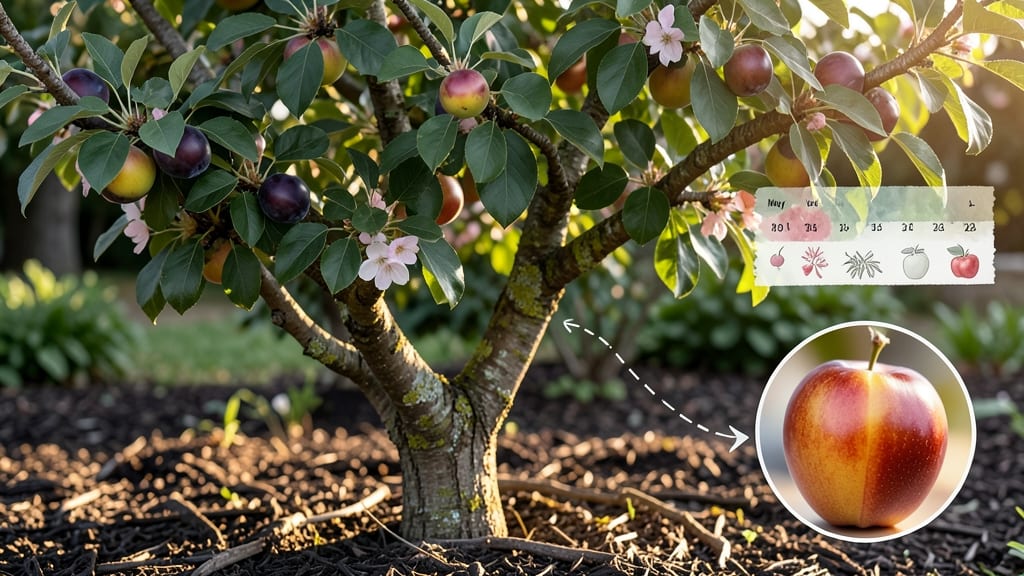
Plum trees bear fruit after 3-5 years, but patience pays off with trees that produce for decades. 🌿 My first plum tree took four years to flower—then suddenly, we had buckets of ripe fruit.
The timing depends on variety, climate, and care, but once established, they reward you with heavy harvests every year. Japanese plums fruit earlier (2-3 years) than European varieties, while some heirlooms wait until year five. Cold winters and consistent pruning speed things up.
I learned the hard way that over-fertilizing with nitrogen makes trees grow leaves instead of fruit—balance is key. By summer’s end, you’ll see tiny blossoms forming on last year’s growth. Proper thinning of fruit ensures larger, sweeter plums.
My 20-year-old tree now produces enough for jams, pies, and sharing with neighbors—proof that good care turns waiting into a bounty. Works for backyard orchards, urban yards, or even large containers. Here’s how to time pruning and pollination for maximum harvests!
📚 In This Guide
- What you need
- Instructions
- Tips and common mistakes
- Wrapping up and next steps
What you need
- ● Plum Tree Variety: Choose a variety suited to your climate (e.g., Stanley, Santa Rosa, or Larry Ann). Check local nurseries for cold-hardy or heat-tolerant options.
- ● Well-Draining Soil: 5–10 bags of compost or aged manure (1 cubic yard per tree) to enrich soil with organic matter.
- ● Fertilizer: 10-10-10 balanced fertilizer (1 lb per tree, applied in early spring and summer).
- ○ Citrus or fruit-tree fertilizer (optional, for extra nutrients like zinc or iron).
- ● Mulch: 2–3 inches of wood chips or straw (cover the root zone, keeping mulch 6+ inches away from the trunk).
- ● Watering Supplies: Drip irrigation system or garden hose with a soaker nozzle (deep watering 1–2 times per week, especially during droughts).
- ● Water storage container (5+ gallons for seedlings).
- ● Pruning Shears: Bypass pruners (for small branches, 6–8 inch blades).
- ● Loppers: Long-handled (for thicker branches, 20–24 inch reach).
- ● Pruning Saw: Curved-tooth (for large limbs, 16–20 inch blade).
- ● Disinfectant: Rubbing alcohol (70%+) or bleach solution (1 part bleach to 9 parts water) to sterilize tools between cuts.
- ● Gloves: Heavy-duty gardening gloves (to protect from thorns and sap).
- ● Sunlight: Full sun (6–8+ hours daily). Partial shade is tolerated but reduces fruit yield.
- ● Hardiness Zone: Match your plum variety to USDA Zone 4–9 (most varieties thrive here).
- ● Pollination: Cross-pollinating varieties (e.g., plant Stanley + Santa Rosa within 50 feet for better fruit set).
- ○ Windbreak: Optional but helpful—use burlap screens or trellises in exposed areas to prevent storm damage.
- ● Test your soil’s pH (ideal: 6.0–7.0). Use a soil test kit ($10–$20) or send a sample to a local extension office.
- ● For container growing, use a 15+ gallon pot with drainage holes and a fast-draining potting mix.
- ● Monitor for pests early—keep neem oil or insecticidal soap on hand for aphids/mites.
Understanding your plum tree's fruit-bearing timeline
Plum trees follow a predictable cycle—here's how to track their growth stages and know when to expect fruit.
🌱 Step 1: Identify Your Plum Tree Variety and Age
Most plum trees take 3-5 years to bear fruit after planting, though dwarf varieties may fruit in 2 years. European plums (like Santa Rosa) typically fruit earlier than Japanese varieties (like Methley). Check your tree's label or ask your nursery for the exact variety—this tells you everything about its timeline.
Young trees focus on root and branch development. You'll see rapid trunk growth in the first year and new branches forming by year two. These are your clues that the tree is maturing toward fruit production. If you planted a grafted tree, note where the graft union sits—this is where the fruiting wood begins.
☀️ Step 2: Track Seasonal Development Cues
Plum trees need chilling hours (typically 300-1,000 hours below 45°Fbud swell in late winter (buds look plump and ready to burst), followed by pink flower buds in early spring—this is when pollination happens.
If your tree blooms but produces no fruit, it might need a pollinator variety nearby. Some plums (like Stanley) are self-fertile, while others (like Burbank) require cross-pollination. Check your variety's needs—you'll see fruit set 4-6 weeks after blooms appear as tiny green bumps on the branches.
🍑 Step 3: Monitor Fruit Development Stages
Once fruit sets, it goes through three key stages. First, you'll see pea-sized fruitlets (about ¼ inch1-2 inches and turns from green to its mature color (red, purple, or yellow).
Harvest time arrives when fruit softens slightly when gently squeezed and develops full flavor. European plums ripen in late July to August, while Japanese varieties often fruit 2-4 weeks later. If birds or pests attack, cover fruit with netting once it reaches 1 inch in size—this protects without blocking sunlight.
⏰ Step 4: Adjust Care for Consistent Fruit Production
Mature plum trees fruit annually, but production varies yearly. Thin fruit to 6-8 inches apart when they're 1 inch wide—this ensures larger, higher-quality plums. Prune in late winter to remove dead wood and open the canopy for sunlight penetration. Young trees need 1 inch of water weekly during dry spells, while mature trees tolerate slightly less.
Fertilize in early spring with a balanced 10-10-10 formula. Over-fertilizing leads to excessive leaf growth at the expense of fruit. Watch for leaf drop after blooming—this often means the tree needs more water or is struggling with pests. Consistent care keeps your plum tree productive for decades.
Tips & tricks for tracking your plum tree's fruit-bearing cycle
Real talk: Understanding your plum tree's fruiting timeline saves you from years of frustration. Here's what nobody tells you about getting those juicy plums.
Variety Matters: The 3-5 year timeline in Step 1 is just a starting point—European plums like Santa Rosa can bear fruit in as little as 2 years, while Japanese varieties like Methley might take longer. I always double-check with my nursery because some dwarf varieties fruit even sooner. The graft union on your tree marks where the fruiting wood begins, so pay attention to that spot when assessing maturity.
Chilling Hours Are Non-Negotiable: Those 300-1,000 hours below 45°F in Step 2 are critical for fruit set. If you're in a mild climate, consider planting a low-chill variety like Stanley. I learned this the hard way after planting a high-chill plum in Southern California—it just wouldn't fruit despite my best efforts. Use a local agricultural extension service to check your area's chilling hours before planting.
Visual Cues Save the Day: In Step 3, those pea-sized fruitlets are your first real sign of progress. When you see them appear in early summer, don't panic if some drop—it's normal! The key is watching for the fruit to grow to 1-2 inches and develop color. I use a small ruler to check sizes because it's easier than guessing. Once they reach 1 inch, cover with netting immediately if you have bird problems.
Thinning Creates Quality: The 6-8 inch spacing in Step 4 might seem extreme, but trust me on this—it prevents overcrowding that leads to small, poor-quality fruit. I use pruning shears to remove excess fruit when they're about 1 inch wide. This might seem wasteful, but you'll end up with fewer but much larger, sweeter plums. Thin in the early morning when the fruit is cool to reduce stress on the tree.
Pro Tips for When Does Plum Tree Bear Fruit
- Real talk: Understanding your plum tree's fruiting timeline saves you from years of frustration.
- Variety Matters: The 3-5 year timeline in Step 1 is just a starting point—European plums like Santa Rosa can bear fruit in as little as 2 years, while Japanese varieties like Methley might take longer.
- Chilling Hours Are Non-Negotiable: Those 300-1,000 hours below 45°F in Step 2 are critical for fruit set.
Frequently asked questions
about when plum trees bear fruit—because every gardener has those burning questions! Whether you're a first-time grower or a seasoned pruner, these answers will help you stay on track.How long does it take for a plum tree to bear fruit after planting?
A young plum tree typically takes 3 to 5 years to bear fruit, depending on the variety and growing conditions. Dwarf varieties may fruit sooner (2–3 years), while standard trees can take up to 7 years. Patience is key—focus on proper care (water, sunlight, and pruning) to speed up the process!
Can I speed up fruiting in my plum tree?
Yes! While you can’t rush nature, you can optimize conditions:
- Choose early-bearing varieties (e.g., 'Santa Rosa' or 'Larry Ann').
- Ensure full sun (6+ hours/day) and well-draining soil.
- Fertilize in early spring with balanced fruit-tree fertilizer (high in nitrogen for young trees).
- Avoid over-pruning—light pruning encourages growth and fruiting.
Will my plum tree fruit if it blooms but no fruit forms?
Blooms without fruit often mean lack of pollination or environmental stress. Check:
- Is your tree a self-pollinating variety (e.g., 'Methley')? If not, plant a compatible pollinator nearby.
- Did late frosts damage flowers? Protect blossoms with frost cloth if frost is forecasted.
- Is the tree water-stressed or nutrient-deficient? Yellow leaves or weak growth can hinder fruiting.
Why did my plum tree bear fruit one year but not the next?
Fruiting can fluctuate due to:
- Weather shifts: Extreme heat, drought, or frost can kill blossoms or fruit.
- Aging trees: Older trees may produce less fruit—rejuvenate with pruning.
- Disease/pests: Check for signs of brown rot or aphids.
- Over-fertilization: Too much nitrogen = more leaves, fewer fruits.
What’s the best plum variety for my climate zone?
Plum varieties vary by chill hours (winter cold needed to trigger blooming). Use this quick guide:
Climate Zone
Chill Hours Needed
Recommended Varieties
Warm (Zones 8–10)
200–400
'Santa Rosa', 'Larry Ann' (low-chill)
Temperate (Zones 5–7)
400–800
'Methley', 'Stanley' (classic choices)
Cold (Zones 3–4)
800+
'Montmorency' (tart), 'Honey Sweet' (hardy)
Wrapping up and next steps
Now that you know the timeline for plum tree fruiting—whether it’s the early blooms of Santa Rosa or the late harvest of Stanley—you’re ready to nurture your tree with confidence! 🌱 With the right variety, climate, and care, your plum tree can thrive and reward you with juicy, homegrown fruit year after year. Next steps? Start by selecting the perfect variety for your zone, prune strategically, and monitor your tree’s growth.
Before you know it, you’ll be picking plums straight from the branch!