
Pruning
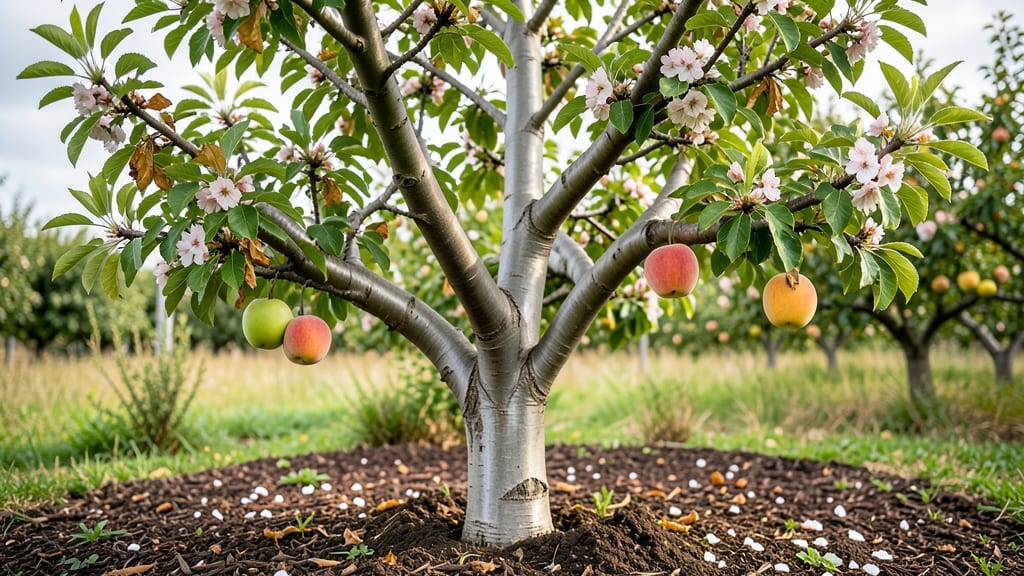
Peach tree growing in Zone 7 thrives with cold-resistant varieties like Reliance or Redhaven, planted in well-draining soil with full sun exposure. Mulch heavily in winter to protect roots from late frosts, and prune annually for optimal fruit production and disease prevention.
Zone 7's mild winters and hot summers create ideal conditions for peaches, but the key is selecting varieties that can handle late spring frosts—a common challenge in this region. 🌳 The Reliance variety, for example, is prized for its early bloom timing, which helps avoid frost damage, while Redhaven delivers sweet, juicy fruit that ripens reliably.
Proper soil drainage is equally critical, as peach trees despise soggy roots, which can lead to root rot and stunt growth. I've found that amending clay-heavy soils with compost and sand makes all the difference in maintaining healthy trees throughout the growing season.
Another critical factor is the pruning schedule, which should align with your local frost dates. In Zone 7, I recommend pruning in late winter or early spring before buds swell, as this encourages strong new growth.
Summer pruning is also helpful to improve airflow and reduce disease risk, especially in humid summers. For frost protection, wrapping young trees with burlap or using row covers during late frosts can save your investment—and your harvest. The payoff?
A thriving peach tree that produces fruit year after year with minimal stress.
💡 In This Article
- Best Peach Tree Varieties for Zone 7 Climates
- Zone 7 Peach Tree Planting and Care Calendar
Best peach tree varieties for Zone 7 climates
The right peach variety for Zone 7 isn't just about cold tolerance—it's about timing. Zone 7's unpredictable late frosts (often between 28-32°F) demand varieties that bloom after the danger has passed.
The Reliance peach, for instance, is a top choice because it blooms 7-10 days later than most varieties, giving frost a narrower window to damage flowers. Its fruit also matures early, typically in late June to early July, when summer heat is already established for optimal ripening. 🌸
Disease resistance is equally critical in Zone 7's humid summers. The Redhaven variety, for example, has natural resistance to brown rot—a fungal disease that thrives in wet conditions. Its fruit develops a rich red blush and sweet flavor with 12-14% sugar content, making it a favorite for fresh eating.
Meanwhile, Elberta peaches offer a balance of cold hardiness and disease resistance, though they require slightly more care to prevent bacterial spot—a common issue in Zone 7's warm, moist climate.
Microclimates within Zone 7 create additional considerations. Trees planted in sheltered valleys may experience 5-10°F warmer nights than those on exposed hillsides, affecting bloom timing. In these cases, varieties like Crimson Snow (a white-fleshed peach) can be a safer bet due to its moderate cold tolerance and later bloom cycle.
The key is matching your specific microclimate to a variety's chilling requirements—typically 400-800 hours below 45°F for Zone 7.
Fruit characteristics also vary significantly. Redhaven peaches, for example, have a firm texture that holds up well to shipping, while Elberta varieties develop a juicier, more melting flesh perfect for fresh eating.
The Reliance variety produces slightly smaller fruit but with an intense sweetness that develops fully in Zone 7's hot summers. These differences mean you'll need to decide whether you prioritize early harvests, disease resistance, or flavor intensity when selecting your tree.
One often-overlooked factor is rootstock choice. Dwarfing rootstock like Lovell or Halford helps trees establish faster in Zone 7's competitive soils, while semi-dwarf varieties provide a balance between manageable size and fruit production.
The rootstock can influence cold hardiness too—some varieties grafted onto Nemaguard rootstock show improved resistance to nematodes, a common soil pest in Zone 7 gardens.
For best results, consider planting two compatible varieties for cross-pollination. While some varieties like Redhaven can self-pollinate, having a second tree (like Elberta) just 30-50 feet away can increase fruit set by 20-30% through better pollination.
This is particularly valuable in Zone 7's variable spring weather patterns, where inconsistent pollinators can reduce yields.