
Watering
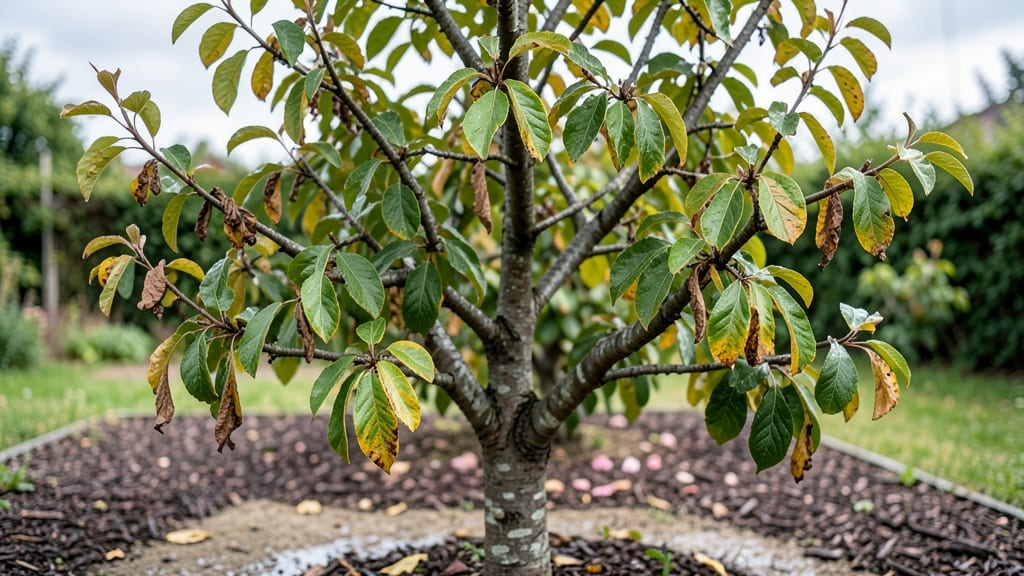
Your peach tree’s yellowing leaves scream "too much water" — and the fix starts with a simple soil check. 🌱 I’ve nursed back more overwatered peach trees than I’d like to admit, and the first step is always the same: stop watering until the top 2 inches of soil feel dry to the touch.
That’s right, no more guessing or "just in case" watering. The real damage hides below ground. Root rot thrives in soggy soil, choking your tree’s roots and turning leaves yellow or brown. You’ll also spot mushrooms popping up at the base or leaves that wilt even when the soil’s wet.
The good news? Healthy peach trees bounce back fast once you adjust watering and improve drainage. Start by watering deeply but less often — aim for 1-1.5 inches per week, including rain. Mulch around the base (but keep it 2-3 inches away from the trunk) to regulate moisture.
Within 2-3 weeks, you’ll see new green growth pushing out as the roots recover. This works for backyard peach trees, container-grown trees, and even those in raised beds. The key is consistency: let the soil dry between waterings, and your tree will thank you with juicy fruit next season.
Root Causes Of Wet Foliar Stress
When your peach tree’s leaves start wilting, yellowing, or developing unsightly brown edges, overwatering is often the silent villain behind the scenes. But why does excess moisture trigger these symptoms?
The answer lies in how water disrupts the tree’s delicate balance of oxygen, nutrient uptake, and microbial activity in the soil. Let’s break down the key culprits causing overwatered peach tree leaves—and how they derail your tree’s health.
Peach trees thrive in well-draining soil, but compacted, clay-heavy, or poorly amended ground acts like a sponge, holding onto water long after the tree’s roots have had their fill. When roots sit in soggy conditions for days, they suffocate due to lack of oxygen (a condition called hypoxia).
This forces the tree to prioritize survival over growth, leading to:
- Yellowing leaves (chlorosis) from disrupted chlorophyll production when roots can’t absorb nutrients like nitrogen or iron.
- Wilting or drooping as the tree’s vascular system struggles to transport water and nutrients efficiently.
- Brown, crispy leaf edges from excess salts and minerals leaching into the root zone, creating a toxic buildup.
💡 Pro Tip: Test your soil’s drainage by digging a 12-inch hole near the tree, filling it with water, and timing how long it takes to drain. If it takes more than 6 hours, amend with compost or sand to improve aeration.
Overwatered soil creates the perfect breeding ground for pathogenic fungi like Phytophthora or Pythium, which thrive in waterlogged conditions. These microbes:
- Clog root cells with mycelial growth, blocking water and nutrient absorption.
- Trigger leaf spots or yellowing between veins as the tree’s immune system diverts energy to fight infections.
- Accelerate root rot, where infected roots turn black, mushy, and unable to support the tree.
Symptoms often appear as sudden wilting even when the soil is moist, because the tree can’t compensate for the damaged root system.
Water isn’t just H2O—it’s a solvent that leaches essential nutrients from the soil. When you overwater, valuable minerals like:
- Nitrogen (N) – Flushes out, leaving leaves pale yellow (a classic sign of deficiency).
- Potassium (K) – Critical for leaf strength; low levels cause brown scorch marks on edges.
- Magnesium (Mg) – Yellowing appears between leaf veins (interveinal chlorosis) when roots can’t uptake it.
The tree’s leaves can’t photosynthesize efficiently without these nutrients, leading to stunted growth and weak, waterlogged foliage. 🌡️ Warning: Overwatering also reduces soil pH, making micronutrients like iron and zinc even less available.
This might sound counterintuitive, but overwatered soil stays cooler than dry soil, creating a temperature imbalance. Peach trees prefer warm root zones (ideal soil temps: 60–75°F), but soggy conditions can:
- Slow root respiration, reducing energy for leaf development.
- Cause cold root shock in cooler climates, where waterlogged soil stays near ground temperature.
- Disrupt hormonal signals (like ethylene production) that regulate leaf drop and growth.
Result? Leaves yellow, curl, or drop prematurely as the tree’s metabolic processes stall.
🎯 Key Takeaway: Overwatering doesn’t just drown roots—it creates a cascade of physiological stress, from fungal attacks to nutrient starvation. The good news? Adjusting your watering habits and soil conditions can reverse these issues before they become permanent damage. Stay tuned for our 3-step fix to revive your peach tree’s lush, green canopy!
Fix Overwatered Peach Tree Leaves
Now that you know the signs and causes of overwatered peach tree leaves, it’s time to take action! The good news is that with the right adjustments, your tree can bounce back—sometimes even faster than you think.
Below, we’ve mapped out practical fixes for each common cause, along with prevention tips to keep your peach tree thriving. Let’s get started!
If your peach tree is drowning in excess moisture, the first fix is cutting back on water. Overwatering is the #1 culprit behind yellowing leaves, and the solution is surprisingly simple: less is more.
How to Fix It:
✅ 🔥 Check Soil Moisture First
- Stick your finger 2-3 inches deep into the soil. If it’s damp or soggy, wait before watering again.
- Use a moisture meter for accuracy—these tools take the guesswork out of watering.
✅ 👨🍳 Water Deeply, Less Often
- Instead of light, frequent watering, soak the root zone deeply (about 1-2 inches per week, depending on climate).
- For mature peach trees, 1-2 gallons per watering session is often enough—adjust based on soil type (sandy soil drains faster than clay).
✅ ⏰ Water in the Morning
- Early morning watering (before 10 AM) reduces evaporation and fungal risks.
- Avoid evening watering—wet leaves at night invite leaf spot diseases.
💡 Prevention Tips:
- Mulch properly: Apply 2-4 inches of organic mulch (wood chips, straw) around the base (but not touching the trunk) to retain moisture without suffocating roots.
- Upgrade your soil: Amend heavy clay soil with compost or perlite to improve drainage.
- Use drip irrigation: Slow, controlled watering at the base prevents runoff and over-saturation.
If your peach tree is sitting in poorly draining soil, roots suffocate, leading to yellow leaves and potential rot. Fixing drainage is key to long-term recovery.
How to Fix It:
✅ 🔪 Test Your Soil’s Drainage
- Dig a 6-inch hole near the tree, fill it with water, and time how long it takes to drain.
- Ideal drainage: Water drains within 4-6 hours. If it’s slower, your soil needs help.
✅ 🥘 Amend the Soil
- Mix in compost, sand, or perlite to loosen heavy clay soil.
- For container-grown peach trees, ensure pots have drainage holes and use a well-draining potting mix.
✅ 🌡️ Elevate if Needed
- If your tree is in a low-lying area, consider raising the planting bed with soil amendments or a small mound.
💡 Prevention Tips:
- Avoid compacting soil: Stay off the root zone when walking near the tree.
- Plant in raised beds if your yard has naturally poor drainage.
- Use gravel or broken pottery at the bottom of planting holes to create a drainage layer.
Yellow, mushy, or wilted leaves won’t recover—they’re just energy drainers for your tree. Pruning + airflow improvements help the tree focus on healthy growth.
How to Fix It:
✅ 🔪 Prune Affected Leaves
- Use sterilized pruners to remove yellow, brown, or mushy leaves at the base.
- Focus on lower branches first, as they’re most prone to fungal issues from excess moisture.
✅ 🌬️ Thin Out Dense Foliage
- If branches are too crowded, trim back some growth to improve airflow.
- Aim for a vase-shaped canopy—this prevents humidity buildup in the center.
✅ 🍃 Clean Up Debris
- Remove fallen leaves, fruit, or mulch from around the base to reduce fungal spores.
💡 Prevention Tips:
- Prune in late winter/early spring to encourage new, healthy growth.
- Avoid heavy pruning during stress periods (like extreme heat or drought).
- Disinfect tools with rubbing alcohol between cuts to prevent disease spread.
Overwatering often washes away nutrients, leaving your peach tree weak. A balanced fertilizer can help it recover—but only if the soil is dry enough first.
How to Fix It:
✅ 📊 Test Soil Nutrients
- Use a home soil test kit to check for deficiencies (especially nitrogen, potassium, and micronutrients).
- If the soil is waterlogged, wait until it dries before fertilizing.
✅ 💪 Apply the Right Fertilizer
- For general recovery, use a balanced 10-10-10 or 20-20-20 fertilizer in early spring.
- If leaves are yellow with brown spots, they may need iron or manganese (use a chelated micronutrient spray).
✅ ✨ Follow Application Rules
- Water first, then apply fertilizer, and water again to prevent root burn.
- Avoid fertilizing in extreme heat—it stresses the tree.
💡 Prevention Tips:
- Fertilize in stages: Split applications into 2-3 doses (e.g., spring, summer, fall) instead of one big dose.
- Use organic options (like compost tea or worm castings) for slower, steadier nutrient release.
- Avoid high-nitrogen fertilizers if your tree is already waterlogged—it can worsen leaf yellowing.
With the right fixes, you should notice changes in 2-4 weeks:
- First 3-7 days: Leaves may wilt less and stop turning yellow as fast.
- 2-4 weeks: New growth should emerge greener and firmer.
- 3-6 months: The tree’s overall health improves, with stronger branches and better fruit production.
⚠️ Warning Signs It’s Worse Than Overwatering: If yellowing persists despite fixing drainage and watering, check for:
- Pests (aphids, spider mites)
- Nutrient deficiencies (chlorosis)
- Bacterial/fungal diseases (like peach leaf curl)
In those cases, you may need targeted treatments (like neem oil for pests or copper fungicide for diseases).
Final Thought: Your peach tree is resilient—cut back on water, improve drainage, and give it time. With these steps, you’ll be enjoying plump, juicy peaches in no time! 🍑🌟
Frequently asked questions
Why do my peach tree leaves turn yellow when I water them regularly?
Yellowing leaves often signal overwatering because peach trees need well-drained soil. When roots sit in soggy conditions, they suffocate from lack of oxygen, preventing proper nutrient absorption. This causes chlorosis (yellowing) as the tree struggles to produce chlorophyll. Check soil moisture by sticking your finger 2-3 inches deep—if damp, wait before watering again.
How can I tell if my peach tree has root rot from too much water?
Root rot shows up as black, mushy roots and often appears with wilting leaves even when soil feels moist. Dig carefully near the base—healthy roots should be firm and light brown. If you see fungal growth (like mushrooms) or a foul odor, root rot is likely. The fix? Stop watering immediately and improve drainage with compost or sand.
Will my peach tree recover if I’ve been overwatering it for months?
Yes, but recovery depends on how severe the damage is. If roots are still firm (not mushy), your tree can bounce back in 2-4 weeks with proper care: reduce watering, improve drainage, and prune affected leaves. For advanced root rot, you may need to repot the tree or replace the topsoil. Monitor for new green growth—this is the best sign of recovery!
Can I use mulch to help fix overwatered peach tree leaves?
Apply 2-4 inches of organic mulch (like wood chips) around the base, but keep it 2-3 inches away from the trunk. Mulch helps regulate soil moisture by reducing evaporation, but it won’t fix drainage issues alone. Pair it with less frequent, deeper watering to prevent future overwatering. Just avoid piling mulch too close to the trunk—it can trap moisture and encourage rot.
What’s the best time of day to water my peach tree to avoid overwatering?
Water in the early morning (before 10 AM) to give leaves time to dry before evening. This reduces fungal risks and ensures roots absorb moisture efficiently. Avoid evening watering—wet leaves at night invite leaf spot diseases. If you must water in heat, do it in the late afternoon to minimize evaporation, but always check soil moisture first.