
How To
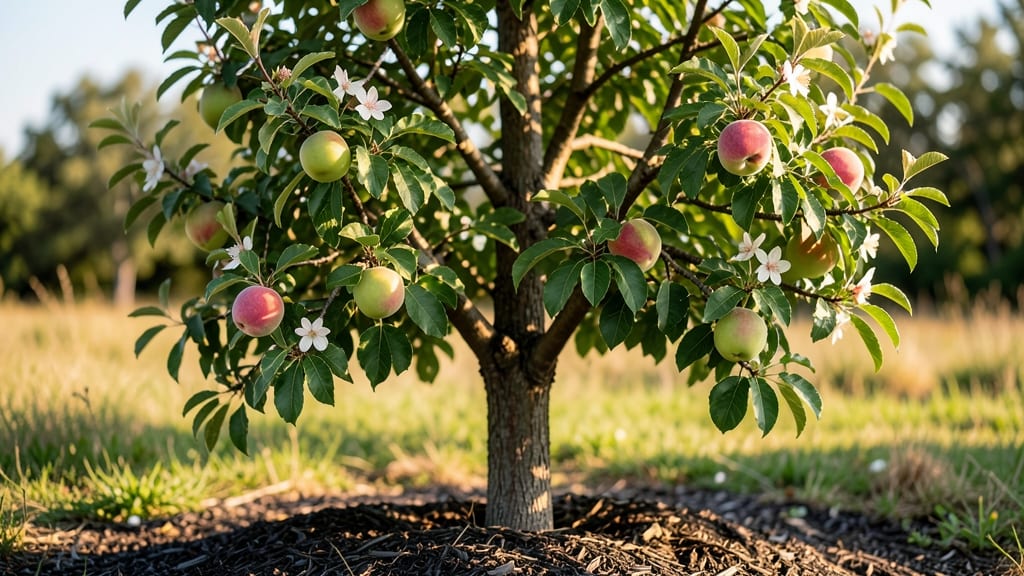
A peach tree grows how tall does a peach tree grow between 10 and 25 feet at maturity, but the variety you choose and how you prune it can make all the difference in your backyard.
Picture this: a 20-foot tree casting shade over your patio or a neatly trimmed 8-foot dwarf that fits snugly in a small garden. The height isn’t just about space—it’s about the right care and variety for your needs.
Dwarf varieties stay under 12 feet, while standard trees can easily top 25 feet if left unchecked. The key to managing size lies in pruning techniques, rootstock selection, and understanding your tree’s growth habits.
In this guide, I’ll break down how to control your peach tree’s height naturally, from choosing the right variety to pruning secrets that keep it manageable without sacrificing fruit production.

Peach tree height by variety: dwarf to standard sizes compared
The height of your peach tree depends entirely on its variety and rootstock. A standard peach tree can soar to 20-25 feet, while dwarf varieties stay compact at just 8-12 feet.
Understanding these differences helps you choose the perfect tree for your space—whether you have a sprawling backyard or a cozy patio. The rootstock you select at planting determines 80% of your tree’s final height, so this choice is critical for home gardeners.
For example, Lovell peach trees on Lovell rootstock (a semi-dwarf) typically reach 12-15 feet, while the same scion grafted onto half-high rootstock stays under 10 feet. This flexibility lets you grow commercial-quality fruit without sacrificing yard space.
Let’s break down the most popular varieties and their mature heights to help you plan your orchard or backyard garden.
📌 Key Takeaway: Rootstock controls height—always check the rootstock type when buying peach trees. The scion (top variety) determines fruit quality, while the rootstock dictates size and hardiness.
Peach Tree Height Comparison by Variety & Rootstock
| Variety | Rootstock Type | Mature Height (ft) | Best For | Notes |
|---|---|---|---|---|
| Redhaven | Standard (Seedling) | 20-25 ft | Large backyards, orchards | Needs regular pruning; heavy fruit load |
| Elberta | Semi-Dwarf (Lovell) | 12-15 ft | Home gardens, patios | Cold-hardy; great for zones 5-8 |
| Suncrest | Dwarf (Half-High) | 8-10 ft | Containers, small yards | Low-maintenance; self-pollinating |
| Contender | Semi-Dwarf (Lovell) | 12-16 ft | Urban gardens, fences | Resistant to peach leaf curl |
| Bonanza | Dwarf (Nemaguard) | 8-12 ft | Containers, balconies | Disease-resistant; freestone pit |
| Relenta | Standard (Seedling) | 20-24 ft | Commercial orchards | Late-blooming; avoids frost damage |
*Height ranges include pruning effects—unpruned trees may grow 20-30% taller.
If you’re working with limited space, dwarf varieties like Bonanza or Suncrest are ideal. These trees thrive in containers or small yards and produce full-sized fruit despite their compact stature.
For larger properties, semi-dwarf varieties like Elberta or Contender offer a balance—tall enough for easy harvesting but manageable with annual pruning. Always verify the rootstock type when purchasing, as nurseries sometimes label trees incorrectly.
Another factor influencing height is pruning frequency. A standard peach tree left unpruned can reach 30 feet or more, while the same tree with annual winter pruning stays at 20-25 feet.
Pruning not only controls height but also improves air circulation and fruit quality. For dwarf trees, pruning is less critical but still recommended to shape the tree and encourage bushier growth.
Climate also plays a role in height. In warmer zones (8-10), peach trees grow faster and may reach mature height 2-3 years earlier than in cooler zones (5-7).
For example, a Redhaven on seedling rootstock in California might hit 15 feet by year 5, while the same tree in Michigan could take 7-8 years. Always adjust your expectations based on your USDA hardiness zone.
For urban gardeners, consider espaliered peach trees
Natural pruning techniques to control peach tree height without chemicals
Controlling your peach tree’s height doesn’t require harsh chemicals—just the right pruning techniques and timing. By mastering organic pruning methods, you can shape your tree to fit your space while ensuring abundant fruit production.
The key lies in choosing between open-center and central leader structures and knowing when to prune for optimal growth.
Peach trees naturally grow 15-25 feet tall if left unchecked, but with strategic pruning, you can keep them between 8-12 feet for easier maintenance. The best time to prune is during late winter or early spring, just before new growth begins.
This ensures your cuts promote healthy fruit-bearing branches rather than excessive vertical growth.
Decide between open-center (multiple main branches) or central leader (single trunk). Open-center works best for dwarf varieties.
Remove dead, crossing, or inward-growing branches. Cut back last year’s growth by 1/3 to encourage bushier growth. Use clean, sharp pruners to prevent disease.
Trim suckers (shoots at base) and water sprouts (vertical shoots) to redirect energy to fruit production. Avoid heavy pruning—just shape lightly.
Remove 1-2 branches per year to improve airflow. Focus on branches rubbing against each other or shading the center. This prevents disease and boosts fruit quality.
For best results, use bypass pruners for clean cuts on branches under 1-inch thick. Larger branches may need a pruning saw. Always disinfect your tools with rubbing alcohol between cuts to avoid spreading bacterial canker, a common peach tree disease.
Timing is everything—prune too late in spring, and you risk delayed fruit set. If you miss winter pruning, a light summer trim can still help control height, but focus on removing only the most problematic branches.
Avoid heavy summer pruning, as it stresses the tree during its fruit-bearing phase.
With consistent pruning, your peach tree will stay at your desired height while producing more high-quality fruit. Start with 10-15% of the tree’s canopy each year to avoid shocking the plant. Over time, you’ll have a perfectly sized tree that’s easy to harvest and maintain.