
Trees
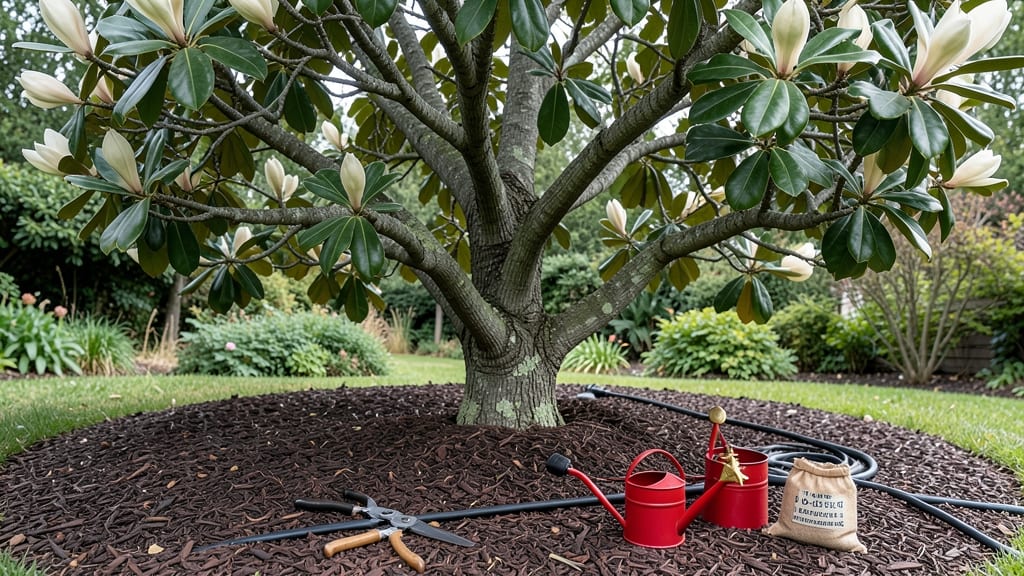
Ornamental trees transform your yard from ordinary to extraordinary—and their care starts with understanding the science behind pruning. ✂️ I’ve learned that a single misplaced cut can rob your tree of years of growth, while the right technique unlocks vibrant blooms, sturdy branches, and a canopy that stays healthy through every season.
The key isn’t just timing—though that matters—but knowing why you’re pruning. Are you shaping for aesthetics, removing deadwood, or encouraging new growth? My first pruning disaster taught me that every cut should have a purpose, whether it’s thinning crowded branches or directing energy where you want it.
The right tools (sharp pruners, a sturdy ladder) and a little patience make all the difference.
By the end, your tree will reward you with stronger structure, healthier foliage, and a natural shape that turns heads. The best part? You’ll do it with confidence, knowing you’re not just trimming—you’re nurturing a living work of art. Let’s get those branches looking their best.
This works for any ornamental tree—from flowering cherries to evergreens—no matter your yard size. The principles stay the same, and the results speak for themselves. Ready to see the difference?
📚 In This Guide
- What you need
- Instructions
- Tips and common mistakes
- Wrapping up and next steps
What you need
- ● Pruning shears: Bypass pruners (for cuts up to ½ inch) – 1 pair (look for sharp, stainless steel blades).
- ● Loppers: Long-handled (for cuts up to 1.5 inches) – 1 pair (choose ratchet-style for heavier branches).
- ● Pruning saw: Curved-tooth saw (for branches 2+ inches thick) – 1 (avoid serrated blades to prevent tearing).
- ● Gloves: Heavy-duty, cut-resistant (e.g., leather or synthetic) – 1-2 pairs (protects hands from thorns and debris).
- ● Disinfectant: 70% isopropyl alcohol or bleach solution (1 part bleach to 9 parts water) – small spray bottle (prevents disease spread).
- ● Safety gear: Safety glasses, long sleeves/pants, and closed-toe shoes – 1 set (essential for protection!).
- ● Ladder or step stool: Sturdy, extendable (if trees are 6+ feet tall) – 1 (ensure it’s rated for your weight).
- ○ Pruning sealant: (Optional but helpful for large cuts) – small tube (e.g., Tanglefoot Tree Wound Pruning Seal).
- ● Extension pole saw: For high branches (if you don’t want to climb).
- ● Tree bag or wrap: For protecting freshly pruned wounds (e.g., tree wound dressing).
- ● Marking spray: Fluorescent paint (to mark cuts before pruning).
- ● Work gloves with grip: For extra comfort during long sessions.
- ● First-aid kit: Just in case (because safety first! 🚑).
Instructions for pruning ornamental trees
Here's how to transform your trees into thriving, picturesque specimens through strategic pruning.
✂️ Step 1: Assess the Tree and Plan Your Cuts
Start by examining your tree for dead, diseased, or crossing branches—these are your top priorities. I use a simple system: mark branches to remove with a piece of twine or flagging tape before making any cuts. This prevents accidental removal of healthy growth while you work. Focus on branches that rub against others or grow inward, as these create weak points and invite disease.
Next, evaluate the tree's natural shape and growth pattern. Ornamental trees often have a preferred form—whether it's a rounded canopy, vase shape, or upright silhouette. Your goal is to enhance that structure, not drastically alter it. For example, a Japanese maple might need only light thinning to maintain its graceful weeping habit. Sketch a rough plan if needed—this keeps you focused and reduces the risk of over-pruning.
✂️ Step 2: Use the Right Tools and Techniques
Never use dull or improperly sized tools—this causes unnecessary damage and tears bark. For branches under 1 inch thick, use sharp hand pruners or loppers. For thicker branches (1 to 3 inches), switch to a pruning saw with a fine-tooth blade to make clean cuts. Always disinfect your tools with rubbing alcohol between cuts to prevent spreading disease.
When making cuts, follow the three-cut method for branches larger than 2 inches in diameter. First, make an undercut about 1/4 inch away from the branch collar (the swollen area where the branch meets the trunk). Then, cut just outside the branch collar from the top. Finally, remove the stub by cutting between the two cuts. This prevents bark from tearing and ensures proper healing. For smaller branches, a single cut at the branch collar is sufficient.
✂️ Step 3: Prune for Health and Structure
Remove dead, dying, or diseased branches first—these are easy to spot because they lack leaves, have dry or cracked bark, or ooze sap. Cut these back to the branch collar to encourage new growth. Next, address water sprouts (fast-growing, vertical shoots) and suckers (shoots growing from the base or roots). These compete with the main structure for nutrients and should be pruned at their base.
For shaping, focus on thinning out rather than shearing. Remove entire branches rather than cutting back into the canopy, which opens it up to sunlight and air flow. Aim to create an open center—this reduces the risk of fungal diseases and allows light to reach the inner branches. If your tree has a dense canopy, prioritize branches that grow inward or downward. You'll see a noticeable improvement in airflow and light penetration after just a few cuts.
✂️ Step 4: Time Your Pruning for Optimal Results
Most ornamental trees benefit from late winter or early spring pruning, just as buds begin to swell but before new growth starts. This timing encourages vigorous, healthy growth while minimizing stress. However, some trees—like flowering cherries—should be pruned right after they bloom to preserve next year's flowers. Always research your specific tree species to avoid pruning at the wrong time.
If you must prune in summer, do so after the tree has finished flowering but before the hottest months. Summer pruning can stimulate new growth that may not harden off before winter, leaving the tree vulnerable to cold damage. Avoid heavy pruning in fall, as it can stimulate tender new growth that won’t survive freezing temperatures. Instead, focus on removing dead or diseased branches to keep the tree healthy through winter.
✂️ Step 5: Clean Up and Monitor Recovery
After pruning, rake up and dispose of all debris—especially diseased branches—to prevent pests or pathogens from reinfecting the tree. Seal larger wounds (over 4 inches in diameter) with a tree wound sealant to protect against decay, but avoid sealing smaller cuts, as the tree’s natural healing process works best when left undisturbed. Water the tree deeply after pruning to help it recover, especially if the weather is dry.
Monitor the tree closely in the weeks following pruning. Healthy new growth should appear within 4-6 weeks, depending on the species and season. If you notice yellowing leaves, stunted growth, or oozing sap at the pruning sites, the tree may be stressed or infected. In this case, apply a balanced fertilizer and keep the soil consistently moist until the tree stabilizes. With proper care, your tree will reward you with lush foliage and stunning form year after year.
Tips & tricks for perfect ornamental tree pruning
Transforming your ornamental trees into stunning landscape features takes more than just a pair of shears—it's about precision and care. Here are the essential insights that'll elevate your pruning from basic maintenance to true artistry.
Tool Selection Matters: The right tool makes all the difference. For branches under 1 inch thick, I swear by Felco pruners—they cut cleanly without crushing branches. For 1-3 inch branches, a bypass lopper with a 6-inch blade gives you the leverage you need. And for anything larger, invest in a pruning saw with replaceable blades—it'll last for decades if you take care of it. Remember, dull tools tear bark and create wounds that invite disease.
Branch Collar Awareness: Never cut flush with the trunk! The branch collar—the swollen area where the branch meets the trunk—is crucial for proper healing. When using the three-cut method for branches over 2 inches, make your first cut 1/4 inch away from this collar. This preserves the tree's natural defense system and prevents decay. I've seen too many trees develop cankers from improper cuts, so this is non-negotiable.
Seasonal Timing Secrets: While late winter/early spring is ideal for most trees, I've learned that some species have specific needs. For example, flowering cherries should be pruned immediately after blooming to preserve next year's blossoms. And if you're dealing with a newly planted tree, light pruning during its first year helps establish strong root growth. Always check your specific tree's requirements—what works for a Japanese maple might harm a crape myrtle.
Stress Reduction Techniques: Never remove more than 25% of a tree's canopy in one season—this is the golden rule of pruning. I've made the mistake of over-pruning in my enthusiasm, and the trees took years to recover. When shaping, focus on thinning rather than shearing. Remove entire branches rather than cutting back into the canopy to maintain that natural, airy structure that lets sunlight and air circulate freely.
Pro Tips for Ornamental Tree Care
- Transforming your ornamental trees into stunning landscape features takes more than just a pair of shears—it's about precision and care.
- Tool Selection Matters: The right tool makes all the difference.
- Branch Collar Awareness: Never cut flush with the trunk!
Frequently asked questions
Got questions about keeping your ornamental trees thriving?
You’re not alone! Here are answers to the most common concerns—from pruning timing to troubleshooting—so you can enjoy lush, healthy trees year-round.
When is the best time to prune ornamental trees?
The ideal time depends on the tree type! For most ornamental trees, late winter or early spring (just before buds swell) is best—this promotes healthy growth. Never prune in fall (unless removing dead wood), as it can stimulate late-season growth vulnerable to frost damage. Flowering trees (like magnolias) should be pruned right after blooming.
How much can I trim without harming my tree?
As a general rule, remove no more than 25% of the tree’s foliage in a single pruning session. Over-pruning stresses the tree, weakens its structure, and can lead to disease. Focus on selective cuts to shape, remove dead branches, or open the canopy for airflow. If your tree looks severely overpruned, prioritize recovery over drastic reshaping.
My ornamental tree has brown leaves—what’s causing it and how do I fix it?
Brown leaves can stem from underwatering, overwatering, pests, disease, or environmental stress (like drought or extreme heat). First, check the soil moisture—consistent watering (1–2 inches per week) is key. Inspect for pests (like spider mites or scale) or signs of fungal issues (e.g., powdery mildew). If the problem persists, a soil test or consultation with a local arborist can pinpoint the exact issue.
Can I prune ornamental trees in extreme heat or cold?
Avoid pruning during heatwaves (above 90°F) or freezing temperatures—both can shock the tree. Heat stress slows healing, while cold weather weakens the tree’s defenses. Opt for mild days in late winter or early fall (when temps are between 40–60°F) for the best results. If you must prune in summer, do it early in the morning to reduce stress.
Are there low-maintenance ornamental trees for beginners?
If you’re new to tree care, consider drought-tolerant or hardy varieties like:
- Japanese Maple (compact, stunning foliage, minimal pruning needed)
- Crape Myrtle (adaptable, blooms reliably with light pruning)
- Eastern Redbud (fast-growing, low-maintenance, great for small spaces)
- Ginkgo Tree (resistant to pests/disease, tolerates urban conditions)
Wrapping up and next steps
Caring for your ornamental trees doesn’t have to be overwhelming—just follow the science-backed pruning techniques and seasonal tips we’ve shared to keep them thriving year-round. 🌿 With the right tools, timing, and attention to detail, you’ll nurture trees that stay healthy, beautiful, and full of life for seasons to come.
Ready to take action? Start by assessing your trees today—schedule a pruning session or consult a local arborist to give your greenery the expert care it deserves! The best time to begin is always now.