
Trees
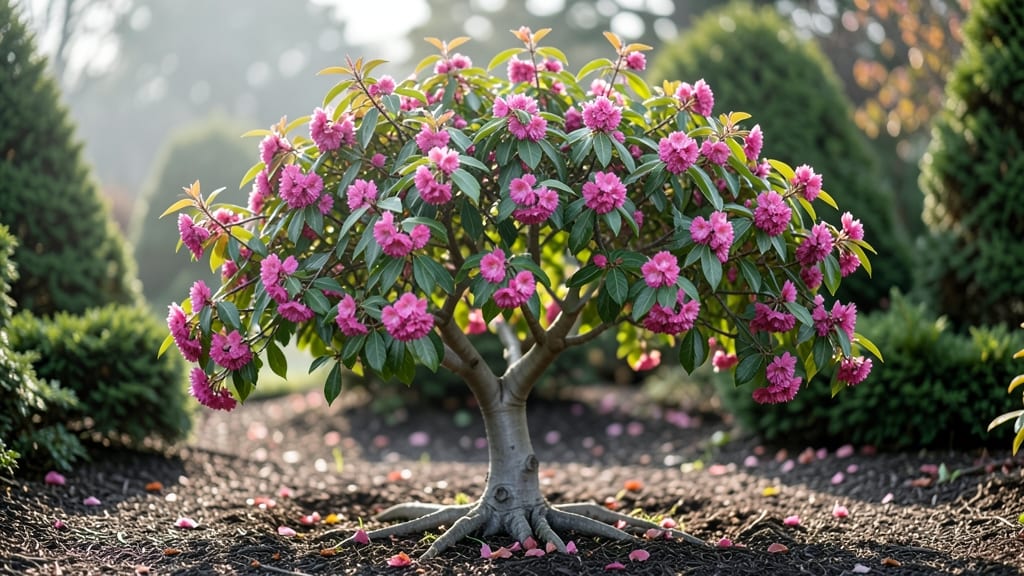
Planting an Okame cherry tree in Florida means year-round pink blooms that outshine even our humid summers. 🌸 This cold-hardy beauty thrives where most cherries fail—no winter dormancy needed—and its glossy leaves add texture all season long.
The key? Mimicking its natural coastal habitat with well-draining soil and afternoon shade in peak heat.
Florida’s heat and humidity actually work in your favor—Okame cherries love the warmth but need protection from scorching afternoon sun. Amend heavy clay soil with compost or pine bark fines, and water deeply once a week after establishment (they’re drought-tolerant once rooted).
Mulch heavily to keep roots cool, and watch those blooms appear even in January when others are dormant.
Pruning is minimal—just remove crossing branches in late winter and deadwood after blooming. The real magic happens when you plant near a patio or driveway, where the fragrance fills the air during 10-day bloom cycles that restart after each rain.
No other tree gives this much color with so little effort in our climate.
Watch for scale insects in Florida’s heat (hose them off!) and avoid overwatering—soggy roots invite root rot. With the right spot, this tree becomes the star of your landscape, blooming three times a year without the fuss of pruning. Let’s get yours planted!
📚 In This Guide
- What you need
- Instructions
- Tips and common mistakes
- Wrapping up and next steps
What you need
- ● Okame cherry tree: 1–2 nursery-grown saplings (3–5 ft tall) or bare-root plants (check Florida-friendly nurseries like Bonnet House Museum or local Big Box stores for cold-hardy varieties).
- ● Planting site: Full sun (6+ hours/day).
- ● Well-draining soil (amend with compost if your soil is heavy clay).
- ● Space: 15–20 ft apart (they spread slowly but can grow 20–25 ft tall).
- ○ Soil amendments (optional but helpful): 5–10 lbs organic compost or peat moss per planting hole.
- ● 1 cup slow-release fertilizer (10-10-10 or 8-3-9 blend, Florida-specific).
- ● Digging tools: 1 shovel (round-point for planting holes).
- ● 1 garden trowel (for root adjustments).
- ● Watering supplies: 5-gallon watering can or hose with nozzle.
- ● Mulch: 2–3 inches of pine bark or cypress mulch (avoid fresh wood chips).
- ● Pruning tools (minimalist approach!): 1 pair bypass pruners (for clean cuts).
- ● 1 small handsaw (if branches >1 inch thick).
- ○ Safety gear (optional): Garden gloves (nitrile for grip).
- ● Knee pads (trust us, your knees will thank you!).
- ● Timing: Plant in late fall (Nov–Dec) or early spring (Feb–March) to avoid Florida’s brutal summer heat.
- ● Cold hardiness: Okame cherries tolerate USDA Zone 6–9 (most of Florida is Zone 8–10, but young trees need winter protection—see tips below!).
- ● Pest/disease prep: Check for scale insects or anthracnose fungus (common in Florida).
- ● Have neem oil or horticultural oil on hand if needed.
- ● Local regulations: Verify HOA rules or city permits if planting near property lines (some Florida areas restrict large trees).
Step-by-step instructions for planting and caring for Okame cherry trees in Florida
Here’s how to establish your Okame cherry trees for stunning year-round color with minimal fuss.
🌱 Step 1: Select and Prepare the Planting Site
Okame cherries thrive in Florida’s climate but need the right spot. Choose a location with full sun exposure (6+ hours daily), as partial shade reduces flowering and leaf color intensity. The tree tolerates a range of soil types but prefers well-draining soil with a pH between 6.0 and 7.0. If your soil is heavy clay, amend it with 2-3 inches of compost mixed into the top 12 inches before planting.
Dig a hole twice as wide as the root ball but no deeper—planting too deep suffocates roots and causes stress. Loosen the sides of the hole with a shovel to encourage root spread. Florida’s humidity and occasional summer rains mean your tree will need good drainage, so avoid low-lying areas where water pools after heavy rain.
☀️ Step 2: Plant at the Right Time and Depth
The best time to plant Okame cherries in Florida is during the cooler months (fall or early spring), when temperatures are mild and the tree can establish roots without heat stress. Handle the root ball carefully—wrap it in burlap if it’s dry to prevent root damage. Place the tree in the hole so the top of the root ball sits 1-2 inches above ground level; settling will occur over time, so don’t bury it too deeply.
Backfill the hole with native soil, tamping down gently in layers to remove air pockets. Water deeply immediately after planting to settle the soil and encourage root contact. Mulch around the base with 2-3 inches of organic mulch (like pine bark), keeping it 6 inches away from the trunk to prevent rot. This mulch layer helps retain moisture and regulate soil temperature, which is critical in Florida’s hot summers.
💧 Step 3: Water and Fertilize for Strong Establishment
For the first 3-4 weeks after planting, water deeply 2-3 times per week to keep the soil consistently moist but not soggy. You’ll know it’s right when the top 2 inches of soil feel damp to touch. Overwatering in Florida’s heat can lead to root rot, so avoid shallow, frequent watering—deep, infrequent watering encourages strong root growth. After the initial establishment period, reduce watering to once a week, adjusting for rainfall.
Fertilize lightly in early spring with a balanced, slow-release fertilizer (10-10-10) applied at half the recommended rate. Okame cherries are relatively low-maintenance but benefit from an annual feeding to support vibrant foliage and flowering. Avoid high-nitrogen fertilizers, which promote leafy growth at the expense of flowers. In Florida’s humid climate, fungal diseases can be an issue, so always water at the base of the tree and avoid wetting the leaves.
✂️ Step 4: Prune for Shape and Health With Minimal Effort
Okame cherries are prized for their minimal pruning needs, but a little care goes a long way. The best time to prune is late winter or early spring, just before new growth begins. Remove any dead, diseased, or crossing branches first—these are easy to spot as they lack leaves or show signs of damage. Use clean, sharp pruners to make cuts just outside the branch collar (the swollen area where the branch meets the trunk) to promote healing.
For shaping, focus on opening the center of the tree to improve airflow and sunlight penetration. Okame cherries naturally grow in a rounded form, so avoid heavy pruning—just trim back any branches that grow inward or rub against others. In Florida’s climate, pruning in summer should be avoided, as it stresses the tree during peak heat. After pruning, apply a thin layer of mulch around the base to retain moisture and protect roots.
🌿 Step 5: Monitor and Maintain Year-Round
Once established, Okame cherries are low-maintenance but benefit from occasional checks. In Florida, watch for signs of stress like yellowing leaves or leaf drop, which can indicate overwatering, underwatering, or nutrient deficiencies. Adjust your watering schedule based on rainfall—if you’ve had 1 inch of rain in the past week, skip the watering. Fertilize again in late spring with a low-nitrogen, high-phosphorus fertilizer (5-10-10) to encourage flowering.
Pests like scale or spider mites can occasionally appear, but Okame cherries are generally resistant. If you spot pests, treat with a horticultural oil spray in early morning or late evening to avoid harming beneficial insects. In Florida’s heat, provide afternoon shade for young trees if they show signs of stress like wilting or leaf scorch. With minimal care, your Okame cherry will reward you with stunning foliage and flowers year-round.
Tips & tricks for perfect Okame cherry tree establishment in Florida
These practical insights will help you avoid common pitfalls and maximize your Okame cherry tree's stunning year-round potential.
Soil Preparation: Florida's clay-heavy soils can be problematic, so focus on creating the ideal environment. After amending with 2-3 inches of compost into the top 12 inches of soil, mix in a handful of sand to improve drainage further. This creates the perfect balance of aeration and moisture retention that Okame cherries crave. Confession: I skipped this step my first time and struggled with waterlogged roots for months.
Planting Depth: The 1-2 inches above ground level guideline is critical—settling occurs naturally, but planting too deeply suffocates roots. I learned this the hard way after burying a tree too deeply and seeing stunted growth. To check depth, use a reference point on the root ball before planting, then verify it's still visible after backfilling.
Watering Strategy: Those first 3-4 weeks of 2-3 times weekly deep watering are non-negotiable. Use a soil moisture meter to verify the top 2 inches are damp, not soggy. In Florida's heat, I've found that watering in the early morning prevents fungal issues while giving roots time to absorb moisture before the afternoon sun intensifies.
Pruning Timing: Late winter or early spring pruning aligns perfectly with the tree's natural growth cycle. I recommend marking your calendar for this window—pruning at any other time stresses the tree. For shaping, focus on creating an open center that allows sunlight to reach all branches, which is especially important in Florida's dense foliage environment.
Pro Tips for Okame Cherry Tree Florida
- These practical insights will help you avoid common pitfalls and maximize your Okame cherry tree's stunning year-round potential.
- Soil Preparation: Florida's clay-heavy soils can be problematic, so focus on creating the ideal environment.
- Planting Depth: The 1-2 inches above ground level guideline is critical—settling occurs naturally, but planting too deeply suffocates roots.
Frequently asked questions
Can Okame cherry trees thrive in Florida’s heat and humidity?
The Okame cherry (Prunus campanulata) is a tropical/subtropical tree that loves Florida’s climate! Unlike its cold-sensitive cousins, it handles humidity and heat beautifully—just ensure it gets well-draining soil and partial shade in the hottest afternoons. With proper care, it can bloom year-round in the Sunshine State.
How long does it take for an Okame cherry tree to flower after planting?
Patience is key! A newly planted Okame cherry may take 1–3 years to produce its first flowers, depending on age at planting and growing conditions. Mature trees (5+ years old) often bloom continuously with minimal care. For faster results, choose a 1–2 year-old nursery-grown tree with established roots.
Do Okame cherry trees need pruning, and when is the best time?
One of this tree’s biggest perks? Minimal pruning! Lightly shape it after flowering to remove dead branches or encourage airflow. The best time to prune is late winter or early spring (Feb–March in Florida) to avoid disrupting blooms. Avoid heavy pruning—Okame cherries hate aggressive cuts and may struggle to recover.
Will Okame cherry trees attract bees or pests in Florida?
Yes! Their fragrant flowers are a magnet for bees, butterflies, and hummingbirds—great for pollinators. However, they’re low-maintenance when it comes to pests. Watch for scale insects or aphids (rare but possible). If spotted, hose them off or use neem oil for a natural solution. Birds may snack on fruit, but this won’t harm the tree.
Are there dwarf or smaller varieties of Okame cherry trees for Florida yards?
While the classic Okame cherry grows 15–25 feet tall, you can find dwarf or semi-dwarf varieties (like ‘Shirofugen’ or ‘Kanzan’ hybrids) that stay 8–12 feet tall. These work well for small yards, containers, or bonsai-style planting. Just confirm the variety is tropical-friendly before buying—some cold-hardy types won’t survive Florida’s winters.
What’s the biggest mistake to avoid when growing Okame cherries in Florida?
Overwatering! While they love moisture, soggy roots = root rot. Ensure your tree has well-draining soil and a slightly elevated planting spot. Also, don’t plant in full sun without shade cloth—Florida’s intense rays can scorch leaves. Mulch lightly to retain moisture without smothering the roots.
Wrapping up and next steps
Growing an okame cherry tree in Florida is a rewarding journey that brings year-round beauty with minimal fuss—perfect for both seasoned gardeners and beginners! 🌸 With the right soil, sunlight, and a touch of patience, you’ll enjoy stunning blooms, lush foliage, and even edible fruit.
Whether you’re planting for aesthetics, shade, or a splash of color, this hardy tree is a fantastic addition to your landscape.
Ready to transform your outdoor space? Start by selecting your spot, gather your supplies, and get planting—your future okame cherry tree will thank you with vibrant blooms for years to come! 🌿