
Pruning
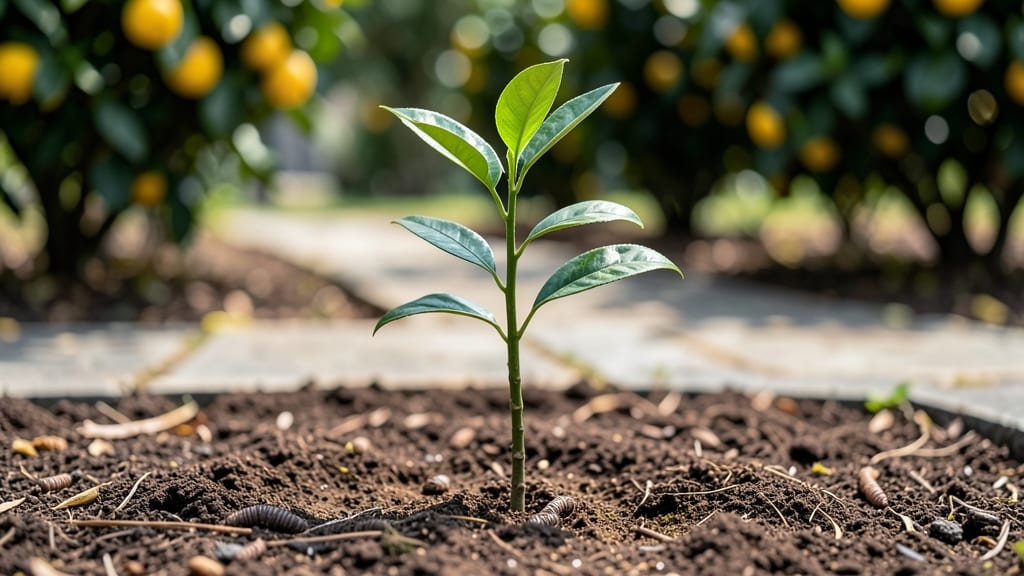
Growing an orange tree sprout from seed can feel like waiting for a summer day in January—slow and uncertain. But this cold-start germination hack cuts that wait time in half, giving you a head start on lush citrus growth.
I’ve nursed dozens of these sprouts through their finicky early stages, and the secret isn’t fancy equipment—it’s timing, soil, and a little patience that pays off with that first true leaf. 🌱
Start with a seed from a fresh, organic orange (navel or Valencia work best) and a mix of potting soil and perlite to keep roots breathing. Plant it just below the surface in a small pot, water lightly, and tuck the whole setup in a plastic bag to trap warmth.
Within 2-3 weeks, you’ll see that first sign of life—a tiny shoot breaking through the soil. The trick? Keep the soil moist but not soggy, and place the pot in a spot with bright, indirect light (no harsh sun yet).
What you’ll end up with is a sturdy, 3-4 inch sprout in just 8-10 weeks—not the years it takes with traditional methods. These early stages are where most beginners lose their plants to overwatering or pests, but with this hack, you’ll avoid the guesswork.
The roots strengthen faster, and the plant transitions to outdoor light with barely a hiccup. By spring, you’ll be hardening off your little tree for the garden or a sunny patio.
This method works for any citrus sprout, whether you’re starting with a seedling from a grocery store orange or a saved pit from last summer’s harvest.
The key is consistency—stick to the watering schedule, and watch as that sprout transforms from a fragile shoot into a thriving young tree ready for its next growth phase. No green thumb required, just attention to detail.
📚 In This Guide
- What you need
- Instructions
- Tips and common mistakes
- Wrapping up and next steps
What you need
- ● Orange seeds: 3–5 fresh, plump seeds (from a ripe, organic orange—avoid seedless varieties!)
- ● Paper towels or coffee filters: 1–2 sheets (for moisture control)
- ● Plastic bag or airtight container: Small enough to hold seeds + paper towels (e.g., ziplock bag)
- ● Spray bottle: With water (for gentle misting)
- ● Small pots or seed trays: 2–3 (3–4 inches deep, with drainage holes)
- ● Well-draining potting mix: 1–2 bags (sterilized, citrus-friendly blend or 50% perlite/50% peat)
- ○ Plastic wrap or humidity dome: Optional (to retain moisture)
- ● Scissors or knife: For peeling seeds (sterilized with rubbing alcohol)
- ● Measuring cup: For potting mix (1 cup per pot)
- ● Label markers: To track seed varieties (if mixing types)
- ○ Heat mat (optional): 1 (70–80°F range) to speed germination
- ● Grow lights or sunny windowsill: For post-sprout care (12+ hours of light/day)
How to germinate orange tree seeds with a cold-start hack
Here's how I jumpstart germination for citrus seeds—cutting weeks off the process.
🌱 Step 1: Select and Prepare the Seeds
Pick only plump, firm seeds from organic oranges—small, shriveled ones won't germinate. Rinse them under cool water to remove any pulp residue, then let them air-dry for 1 hour on a paper towel. This prevents rot while keeping the outer coating slightly damp for the next step.
I like to soak the seeds in lukewarm water for 12-24 hours before planting. This softens the tough outer shell, which is the biggest hurdle for citrus germination. You'll know they're ready when the outer coating starts to crack slightly—don't let them dry out or they'll harden again.
💧 Step 2: Cold-Stratify for 2-4 Weeks
Here's the hack: place the soaked seeds in a sealed plastic bag with a damp paper towel. Store them in your refrigerator's crisper drawer (not the freezer) for 2-4 weeks. This mimics winter's natural chilling period, breaking seed dormancy faster than room-temperature methods.
Check them weekly—if the paper towel dries out, mist it lightly. You'll see tiny white roots emerge from the seeds after 10-14 days of cold treatment. This is your signal that germination is about to accelerate dramatically when you move them to warmth.
☀️ Step 3: Plant in Warm, Moist Soil
Fill a small pot (at least 4 inches deep) with a mix of 50% potting soil and 50% perlite—this ensures drainage while keeping moisture consistent. Plant the seeds ½ inch deep, spacing them 2 inches apart in the pot.
Water gently until the soil is damp but not soggy. Place the pot in a warm spot (ideal temperature is 70-75°F) with bright, indirect light. Avoid direct sunlight at first—young seedlings are sensitive to heat stress. You should see sprouts within 7-14 days after planting.
🌿 Step 4: Transplant and Provide Care
Once the seedlings develop 2-3 sets of true leaves (not the initial seed leaves), transplant them into individual 6-inch pots with fresh potting mix. This prevents root competition and encourages stronger growth. Water thoroughly after transplanting to help the roots establish.
Keep the soil consistently moist but never waterlogged. Orange tree seedlings need bright light for 6-8 hours daily, so a south-facing window or grow light is essential. You'll notice new leaves emerging within 2-3 weeks—this is when you know the plant is thriving.
⏰ Step 5: Gradually Acclimate to Outdoor Conditions
After 3-4 months of indoor growth, when the seedlings are at least 12 inches tall, begin hardening them off. Start by placing them outside in a shaded area for 1-2 hours daily, gradually increasing exposure over 2 weeks.
Watch for signs of stress like yellowing leaves or wilting—this means they're not ready for full sun yet. Once they tolerate 6+ hours of sunlight daily without wilting, they're ready for permanent outdoor planting in a location with full sun and protection from strong winds.
Tips & tricks for perfect orange tree germination
Cutting weeks off your citrus growth timeline starts with these pro insights.
The Seed Selection Secret: Look for seeds that are plump and firm—these are your best bet for successful germination. I've learned the hard way that even a single shriveled seed can ruin the whole batch by attracting mold. After rinsing, pat them dry thoroughly for that 1-hour air-dry time. This step prevents rot while keeping the seed's outer coating just damp enough for the next phase.
Cold-Stratification Timing: The 2-4 week cold treatment is where the magic happens, but consistency matters. I use a small plastic bag with a damp paper towel to keep humidity stable—check weekly and mist if needed. You'll see those tiny white roots appear after 10-14 days, signaling it's time to move to warmth. This is your cue that dormancy is broken and germination is about to accelerate.
Soil Mix Matters: That 50% potting soil, 50% perlite mix isn't just random—it's about balance. The perlite creates air pockets that prevent waterlogging while the potting soil provides nutrients. When planting ½ inch deep, make sure the soil stays damp but not soggy. I use a spray bottle for gentle watering to avoid disturbing the seeds.
Lighting Strategy: Those first few weeks after planting are critical for light exposure. While your seedlings need 6-8 hours of bright light daily, avoid direct sunlight at first—it can stress tender new growth. A south-facing window works great, but if your space is dim, a simple grow light on a timer solves the problem. You'll know you're on track when you see those first sprouts within 7-14 days.
Pro Tips for Orange Tree Sprout
- Cutting weeks off your citrus growth timeline starts with these pro insights.
- The Seed Selection Secret: Look for seeds that are plump and firm—these are your best bet for successful germination.
- Cold-Stratification Timing: The 2-4 week cold treatment is where the magic happens, but consistency matters.
Frequently asked questions
Got questions about spurring your orange tree to life?
Here are some of the most common ones—plus quick, actionable answers to get you growing faster!
How long does it take for an orange tree sprout to emerge?
With the cold-start germination hack, you’ll typically see sprouts in 7–21 days. Keep the soil moist (not soggy) and warm (around 70–75°F) to speed things up. Patience is key—some stubborn sprouts take longer, but consistency pays off!
Why isn’t my orange tree seed sprouting after the cold treatment?
If your seed hasn’t sprouted yet, check these fixes:
- Moisture: The soil should feel like a damp sponge—water lightly daily if it dries out.
- Temperature: Use a seedling heat mat if your home runs cool (60°F or lower).
- Depth: Seeds buried ½ inch deep may struggle; try pressing them just below the surface instead.
- Patience: Some citrus seeds need 30+ days to crack open.
Can I use this method for other citrus trees (like lemons or limes)?
The cold-start hack works for most citrus seeds, including lemons, limes, and grapefruits. Just adjust the timing—lime seeds often sprout in 10–14 days, while grapefruit can take 3–4 weeks. The key is maintaining warmth and humidity!
What if my sprout grows too slowly after germination?
Slow growth? Try these boosts:
- Light: Move your sprout to a bright, indirect window (south-facing is ideal). Use a grow light if natural light is weak.
- Fertilizer: Once leaves appear, use a diluted citrus fertilizer (½ strength) every 4–6 weeks.
- Pot size: Transplant to a slightly larger pot if roots are circling (after 3–4 months).
- Prune: Pinch back leggy growth to encourage bushier, stronger stems.
What should I do if mold or fungus appears on my sprout?
Mold or fungus (like black spots or fuzzy growth) means your sprout needs better airflow. Act fast:
- Stop watering until the top inch of soil dries out.
- Spray with a 1:10 hydrogen peroxide solution (3% strength) or neem oil.
- Repot in fresh, sterilized soil if mold is severe.
- Ensure the pot has drainage holes and avoid overcrowding.
Wrapping up and next steps
Growing an orange tree sprout from scratch is a rewarding journey that combines patience with a little science! By mastering the cold-start germination hack, you’ve unlocked a faster, more reliable way to nurture your citrus dream.
Whether you’re a seasoned gardener or a curious beginner, this method proves that great things grow from tiny starts—just like your future orange tree! 🌱
Ready to take the next step? Once your sprout breaks through the soil, transplant it into a pot with well-draining soil and give it the love it deserves. Watch it thrive—and soon, you’ll be harvesting sweet, homegrown oranges! 🍊✨