
Planting
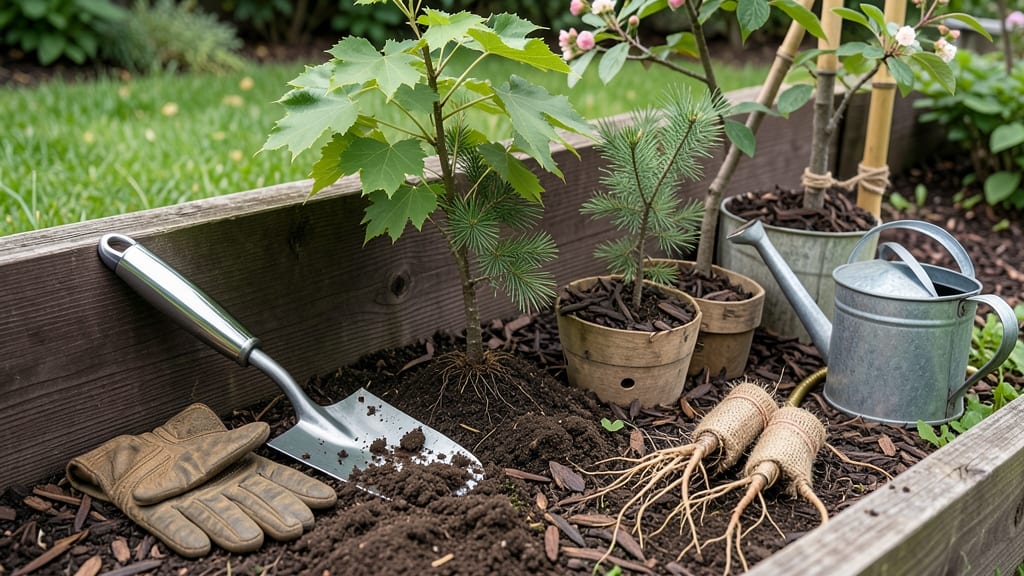
Planting tree seedlings right means stronger roots and a tree that thrives for decades. 🌱 I learned the hard way that proper depth and soil prep make all the difference—my first oak seedling nearly died from being buried too deep.
The secret isn't complicated, but getting it right from day one saves years of frustration.
You'll need a shovel, well-draining soil mix, and a watering can or hose with gentle spray. Dig a hole twice as wide as the root ball but only as deep—planting too deep suffocates roots, while too shallow means poor stability.
Loosen the sides of the hole so roots can spread naturally into surrounding soil.
After placing the seedling, backfill with soil and water deeply until moisture reaches 6-8 inches down. Mulch around the base (but not touching the trunk) to retain moisture and regulate temperature. Within weeks, you'll see new growth as roots establish—proof you've set it up for long-term success.
For container-grown seedlings, tease the roots apart gently before planting to encourage outward growth. In clay soils, amend with compost to improve drainage. The key is patience: young trees need consistent moisture for the first year, but avoid overwatering—roots need air too.
📚 In This Guide
- What you need
- Instructions
- Tips and common mistakes
- Wrapping up and next steps
What you need
- ● Tree seedlings – Choose healthy, disease-free saplings (1-3, depending on your space and goals).
- ● Shovel or trowel – A round-point shovel (for digging holes) or a hand trowel (for smaller seedlings).
- ● Measuring tape or ruler – To ensure proper hole depth (typically 2-3 times the root ball’s diameter).
- ● Compost or organic mulch – 2-3 gallons (e.g., leaf mold, aged manure, or peat-based compost).
- ● Watering can or hose with a gentle spray nozzle – For deep, slow watering (avoid splashing soil).
- ● Garden gloves – To protect your hands from thorns, dirt, or sharp tools.
- ○ Stakes (optional but helpful) – 2-3 wooden or bamboo stakes (6-12 inches tall) + soft ties (e.g., old fabric strips) for young, unstable trees.
- ● Root stimulator – A mycorrhizal fungus powder or seaweed extract to boost root growth.
- ● Mulch (wood chips, straw, or pine needles) – 3-4 inches thick to retain moisture and suppress weeds.
- ● Soil test kit – To check pH and nutrient levels (adjust with lime or sulfur if needed).
- ● Pruning shears – For trimming dead branches or adjusting seedling height.
- ● Tree guard or wire cage – To protect young trees from animals (e.g., rabbits or deer).
Step-by-step instructions for planting tree seedlings
Here’s my go-to method for planting tree seedlings that grow strong from day one.
🌱 Step 1: Dig the Right Hole
Start by digging a hole that’s twice as wide as the seedling’s root ball but only as deep as the container it came in. This prevents burying the trunk too deep, which can suffocate the tree. I like to loosen the sides of the hole with a shovel or hands—this helps roots spread into the surrounding soil instead of circling the hole.
If your soil is heavy clay or compacted, mix in a handful of compost or the topsoil you removed from the hole. This gives roots an easier time establishing. Tap the bottom of the hole gently to settle any loose soil before placing the seedling in.
🪴 Step 2: Remove the Seedling and Prepare It
Gently squeeze the sides of the container to loosen the root ball, then tip it out. If roots are circling tightly (a common problem with container-grown seedlings), use your fingers to tease them outward. This encourages roots to grow straight into the soil rather than in a tight loop.
Check the seedling’s trunk for any signs of damage or disease—look for discoloration, soft spots, or cracks. If you spot anything, trim away the affected area with clean pruners before planting. This small step prevents bigger problems later.
☀️ Step 3: Plant and Backfill Carefully
Place the seedling in the hole so the top of the root ball sits 1 inch above ground level. This prevents the trunk from rotting if water pools around it. Fill the hole halfway with soil, then water deeply to settle everything. Let the water soak in completely before adding more soil.
Finish filling the hole, pressing down lightly to remove air pockets but not compacting the soil too tightly. Leave a slight depression around the base to help water drain away from the trunk. Mulch with 2-3 inches of organic mulch (like wood chips) to retain moisture and protect the roots.
💧 Step 4: Water and Monitor the First Weeks
Water the seedling deeply right after planting—aim for 1-2 gallons depending on the tree’s size. Keep the soil consistently moist (but not soggy) for the first 2-3 weeks
Watch for signs of stress like wilting or yellowing leaves. If you see these, adjust your watering—either you’re overwatering (roots need air) or underwatering (roots need moisture). A young tree’s roots are fragile, so consistency is key.
Tips & tricks for planting tree seedlings
Planting seedlings right can mean the difference between a thriving tree and one that struggles—here's how to avoid common pitfalls and set your tree up for success.
Soil Prep Matters: Before digging, test your soil's drainage by filling a hole with water and timing how long it takes to drain. If it takes more than 30 minutes, your soil is too compacted—mix in a 50/50 blend of native soil and compost to improve aeration. This simple test prevents waterlogged roots that suffocate seedlings.
Root Ball Handling: When removing seedlings from containers, run a knife around the edges first to break the root ball cleanly. This prevents tearing delicate roots and makes it easier to check for circling roots. If you find roots growing in tight circles, gently untangle them with your fingers—this encourages outward growth into the surrounding soil.
Positioning is Key: The 1-inch elevation above ground level is critical—it prevents water from pooling around the trunk. Use a small board or rock as a temporary marker while you backfill to ensure you maintain this height. This small adjustment prevents rot that can kill young trees before they even establish.
Watering Wisdom: After planting, water slowly until you see moisture reach the bottom of the hole. This ensures the entire root ball gets hydrated, not just the surface. For the first 2-3 weeks, check soil moisture by sticking your finger 1-2 inches deep—it should feel like a damp sponge, not a wet towel.
Pro Tips for Plant Tree Seedlings
- Planting seedlings right can mean the difference between a thriving tree and one that struggles—here's how to avoid common pitfalls and set your tree up for success.
- Soil Prep Matters: Before digging, test your soil's drainage by filling a hole with water and timing how long it takes to drain.
- Root Ball Handling: When removing seedlings from containers, run a knife around the edges first to break the root ball cleanly.
Frequently asked questions
Got questions about planting tree seedlings? You’re not alone—even experienced gardeners need a little guidance now and then! Here are answers to the most common queries to help you grow confidently.
When is the best time of year to plant tree seedlings?
The ideal window is early spring or fall when soil is workable but not frozen. Avoid extreme heat or drought—seedlings need time to establish roots before stress. In mild climates, late winter can work too, but always check your local frost dates!
How often should I water newly planted seedlings?
Water deeply 2–3 times per week for the first month, ensuring soil stays moist (not soggy). After that, taper to once a week, adjusting for rain. Mulch helps retain moisture—just keep it 3–4 inches away from the trunk to prevent rot.
Can I plant a seedling in a container first, or should I go straight to the ground?
Containers work for small seedlings or urban gardens, but most trees thrive best in the ground long-term. If using pots, choose 5+ gallon containers with drainage and upgrade to soil when roots fill the pot. Just remember: Transplant shock is real—acclimate seedlings to outdoor conditions gradually!
What should I do if my seedling’s leaves turn yellow or wilt?
Yellow leaves often signal overwatering or poor drainage, while wilting can mean underwatering or root stress. Check soil moisture, prune damaged leaves, and adjust care. Fungal issues? Remove affected parts and avoid overhead watering. Most seedlings bounce back with proper attention!
How close can I plant seedlings to my house or fence?
Keep seedlings at least 3–5 feet away from structures to avoid root conflicts or damage. For large trees (like oaks or maples), aim for 15+ feet—their roots spread widely! Always check mature tree sizes in your area before planting.
Wrapping up and next steps
Planting tree seedlings is a rewarding way to nurture the environment and create lasting beauty in your space. By following these four simple steps—preparing the site, handling the seedling with care, planting at the right depth, and providing proper aftercare—you’ve set the stage for strong, healthy growth. 🌱
Now that you’re equipped with the know-how, take the next step! Whether you’re restoring a backyard, contributing to reforestation, or simply adding greenery, your effort makes a real difference. Grab those seedlings and get planting—future trees (and wildlife!) will thank you.