
Pruning
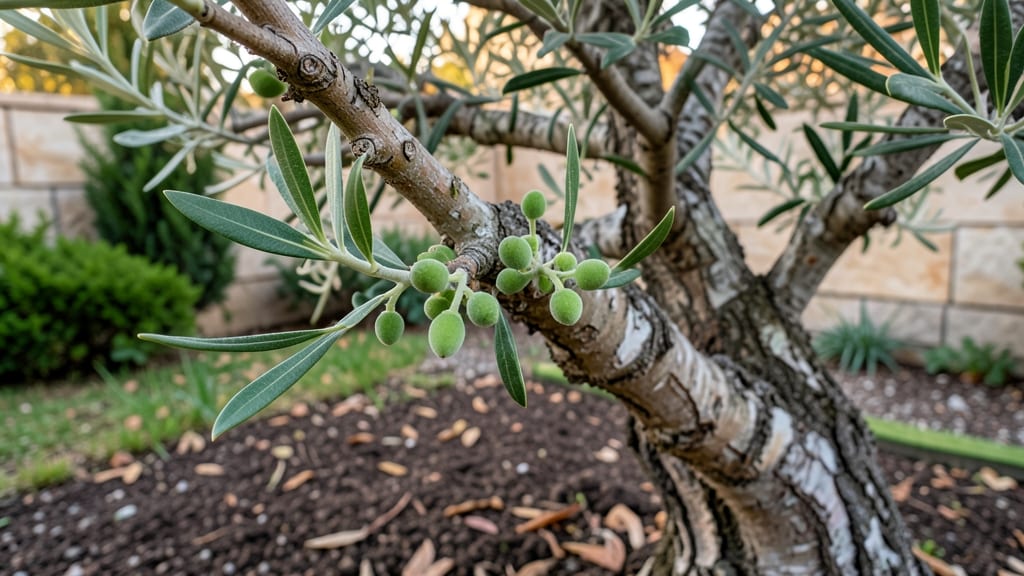
Those tiny olive tree buds hold the key to your harvest. 🌱 I’ve watched my own olive tree transform from bare branches to lush foliage just by understanding when and how to prune those buds—something that feels magical when you finally get it right.
The secret isn’t complicated: buds emerge in late winter or early spring, and how you prune determines whether they’ll grow into leaves or fruit. Most people cut too late or too aggressively, which stresses the tree.
Instead, focus on shaping the canopy in dormant season (winter) and making light, strategic cuts in early spring to encourage bud flush. By summer, you’ll see plump buds forming where you pruned, and with proper care, those buds turn into juicy olives by harvest time.
The tree rewards precision with healthier growth and better fruit production every year. This works for both young trees and mature ones—just adjust the intensity. Ready to unlock your olive tree’s full potential? Let’s get started.
📚 In This Guide
- What you need
- Instructions
- Tips and common mistakes
- Wrapping up and next steps
What you need
- ● Pruning shears: Bypass pruners (sharp, clean, and sterilized with rubbing alcohol to prevent disease). Quantity: 1 pair (or 2 for larger trees).
- ● Lopping shears: For thicker branches (1–2 inches in diameter). Quantity: 1 pair.
- ● Pruning saw: For branches thicker than 2 inches. Quantity: 1 (handheld or folding).
- ● Disposable gloves: Heavy-duty, cut-resistant (e.g., Mechanix or Tiger Claw). Quantity: 1–2 pairs.
- ○ Pruning sealant: Optional but recommended (e.g., Tanglefoot Tree Wound Pruning Seal) to protect large cuts. Quantity: Small bottle.
- ● Clean rags or paper towels: For wiping tools between cuts. Quantity: 2–3.
- ● Bucket or bag: For collecting pruned branches (10–20 gallon capacity).
- ● Extension pole: For high branches (10–12 feet).
- ● Ladder: Sturdy, non-slip (if tree exceeds 8 feet).
- ● Marking spray: Temporary paint to tag branches for removal.
- ● Hand sanitizer: For post-pruning hygiene.
- ● Notebook & pen: To sketch your tree’s structure before/after pruning.
Step-by-step guide for pruning olive tree buds
Here's the method I rely on to encourage lush growth and bountiful fruit—tested across seasons and climates.
✂️ Step 1: Time Your Pruning for Optimal Growth
Prune olive trees during their dormant season, which is typically late winter to early spring before new growth begins. This is usually February or March in most climates, but adjust based on your last frost date. You'll know it's the right time when the tree shows no signs of budding or leafing out.
Never prune during extreme heat or cold—olive trees are sensitive to stress. If you must prune outside the dormant season, do it in mild weather to minimize shock. Watch for the first signs of bud swell; that's your cue to act quickly before buds burst open.
✂️ Step 2: Identify and Remove Dead or Weak Wood
Start by inspecting the tree for dead, diseased, or crossing branches. Dead wood is easy to spot—it's dry, brittle, and often dark gray or black. Diseased branches may have spots, mold, or unusual growth patterns. Use clean, sharp pruning shears to make 45-degree cuts just outside the branch collar where the branch meets the trunk.
Crossing branches compete for energy and can create entry points for pests. Remove one of the crossing branches entirely, cutting back to the point where it branches off from another limb. If a branch is weak but still alive, trim it back to a healthy bud or lateral branch to encourage new growth.
✂️ Step 3: Thin Out the Canopy for Better Airflow
Olive trees thrive when their canopies receive good airflow and sunlight. Focus on thinning out the interior branches to allow light to penetrate to the center of the tree. Aim to remove about 20-30% of the foliage during this step. Look for branches that are growing inward or rubbing against others—these are prime candidates for removal.
Make your cuts just above an outward-facing bud or lateral branch. This encourages the tree to grow outward rather than inward, creating a more open and healthy structure. Avoid cutting back to a stub; always leave a small bump of growth tissue to prevent disease.
✂️ Step 4: Shape the Tree for Balanced Growth
Now it's time to shape the tree to encourage a strong, balanced structure. Start by identifying the main scaffold branches—the larger limbs that form the framework of the tree. These should be spaced evenly around the trunk, with no more than 3-4 main branches on a young tree.
To encourage new growth, cut back some of the longer branches by about one-third. This stimulates the tree to produce new buds and leaves from the remaining lateral branches. Avoid over-pruning; olive trees are resilient but can take years to recover from severe cuts. Step back frequently to visualize the tree's shape and ensure it looks balanced.
✂️ Step 5: Clean Up and Monitor for New Growth
After pruning, remove all debris from the ground beneath the tree to prevent pests and diseases from taking hold. Sterilize your pruning tools with rubbing alcohol or a 10% bleach solution to kill any lingering pathogens. Keep an eye on the tree over the next few weeks as new buds begin to swell and grow.
Water the tree deeply after pruning to help it recover, especially if the weather is dry. Olive trees are drought-tolerant, but new growth benefits from consistent moisture. Watch for signs of stress, such as wilting leaves or yellowing foliage, and adjust your care accordingly. With proper pruning, you'll see vigorous new growth and a healthier, more productive tree.
Tips & tricks for pruning olive tree buds
Here's what nobody tells you about pruning that makes all the difference between healthy growth and stressed trees.
The Right Timing Secret: The late winter to early spring window is non-negotiable for olive trees. I learned this the hard way after pruning in fall—my tree struggled to recover before winter set in. Look for those tiny, swollen buds that haven't burst yet; that's your exact cue. If you're in a warmer climate, wait until just before bud swell appears, which might be as late as April in some regions.
Tool Prep That Prevents Disease: Sterilizing your tools isn't just optional—it's critical. I use a 10% bleach solution between cuts on different branches, especially when dealing with diseased wood. For extra protection, wipe tools with rubbing alcohol after each cut. This simple step can prevent fungal infections that spread through open wounds. Think of it like hand sanitizer for your pruning shears.
Visual Cues for Perfect Cuts: When making your 45-degree cuts in Step 2, imagine you're cutting just outside the branch collar—the little bump where the branch meets the trunk. The cut should be clean and smooth, not jagged. For shaping cuts in Step 4, look for outward-facing buds—they'll guide where your next cut should go. This visual trick ensures new growth will face outward, creating that open canopy we want.
Post-Pruning Recovery Strategy: After you've finished, water deeply but don't overdo it—olive trees are drought-tolerant but new growth needs consistent moisture. I water immediately after pruning, then monitor for wilting or yellowing leaves in the weeks that follow. If you notice stress signs, give it another deep watering. The key is to support new bud development without creating soggy conditions.
Pro Tips for Olive Tree Buds
- Here's what nobody tells you about pruning that makes all the difference between healthy growth and stressed trees.
- The Right Timing Secret: The late winter to early spring window is non-negotiable for olive trees.
- Tool Prep That Prevents Disease: Sterilizing your tools isn't just optional—it's critical.
Frequently asked questions
Got questions about olive tree buds and pruning?
Here are answers to the most common ones to help you keep your tree thriving and productive!
When is the best time to prune olive tree buds for optimal growth?
The ideal time to prune olive tree buds is late winter or early spring (just before new growth starts). Avoid pruning in fall or summer, as this can stress the tree or encourage disease. If you must prune in summer, do so early in the season and keep cuts minimal.
How long does it take for olive tree buds to grow after pruning?
Olive tree buds typically sprout within 2–4 weeks after pruning, depending on climate and tree health. Warmer regions may see faster growth, while cooler areas might take slightly longer. Patience is key—don’t over-prune expecting instant results!
Can I prune olive tree buds too much? What are the signs?
Yes! Over-pruning can weaken the tree, reduce fruit production, and invite pests. Signs include yellowing leaves, stunted growth, or excessive water sprouts. Stick to no more than 25% of the canopy per year and avoid cutting into old wood.
What if my olive tree buds aren’t growing after pruning?
Check for disease, pests, or poor soil. Fungal issues (like Verticillium wilt) or root damage can halt growth. Ensure your tree gets full sun, well-draining soil, and occasional deep watering. If buds still refuse to grow, consult a local arborist.
Are there alternatives to pruning olive tree buds for shaping?
If pruning feels overwhelming, try selective thinning (removing only dense or crossing branches) or topiary training for ornamental shapes. For fruit production, focus on opening the canopy to improve airflow and sunlight penetration—no heavy pruning needed!
Wrapping up and next steps
Mastering the art of pruning olive tree buds isn’t just about trimming—it’s about nurturing a thriving, fruit-bearing tree year after year. 🌱 From timing your cuts to sharpening your tools, every step plays a role in unlocking your olive tree’s full potential.
Whether you’re a seasoned gardener or just starting out, these secrets will help you cultivate healthier growth and bountiful harvests.
Ready to put your newfound knowledge into action? Grab your pruners and start small—even a few strategic cuts can make a big difference! For extra inspiration, explore olive tree varieties or companion plants to enhance your garden’s productivity. Happy pruning! 🌿✨