
Pruning
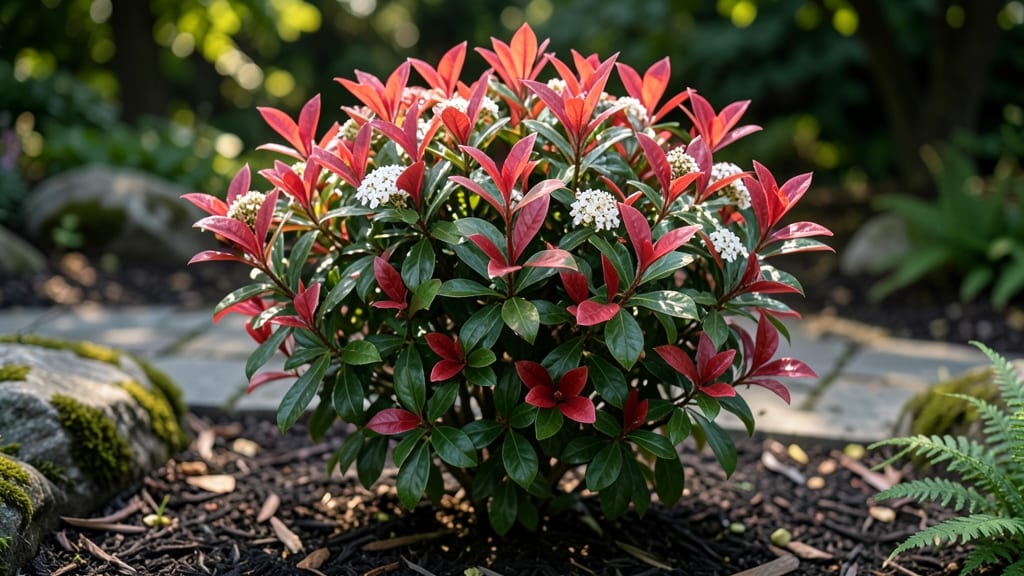
The Red Tip Photinia Tree height can reach 10 to 15 feet at maturity, but how quickly it grows—and how tall you can keep it—depends on pruning and care.
If you're dreaming of a vibrant, fast-growing hedge or privacy screen, the Red Tip Photinia could be your perfect match—but how tall will it really get? This evergreen staple can shoot up at surprising speeds, but without the right pruning strategy, its height might not meet your expectations.
In just three years, an unpruned Red Tip Photinia can tower over 10 feet, making it one of the fastest-growing shrubs for quick privacy.
However, with strategic pruning, you can easily control its height, keeping it compact for smaller gardens or letting it grow tall for a bold statement.
Below, I’ll break down its growth by year, share the best pruning tricks to manage its size, and compare it to other fast-growing shrubs so you can decide if it’s the right fit for your space.

Red Tip Photinia Tree height by year: growth rate breakdown
The Red Tip Photinia (Photinia fraseri) is famous for its rapid growth and striking red new growth, but predicting its exact height requires understanding your USDA zone, soil conditions, and pruning habits.
In ideal conditions, this evergreen can grow 3-5 feet annually during its first few years, but factors like sunlight exposure and watering consistency can accelerate or slow this growth.
For gardeners in USDA zones 7-10, where Red Tip Photinia thrives, the first year is critical. A healthy specimen planted in well-draining soil with full sun exposure can reach 3-5 feet tall by its first winter.
However, those in cooler zones (Zone 6) may see slightly slower growth—expect 2-4 feet in the first year due to shorter growing seasons.
Here’s how height progresses year by year, with comparisons between unpruned and lightly pruned specimens to help you plan for your landscape needs.
| Year | Unpruned Height (ft) | Lightly Pruned Height (ft) | Growth Rate (ft/year) | Key Growth Factors |
|---|---|---|---|---|
| 1 | 3-5 ft | 2-3 ft | 3-5 ft | Soil drainage, watering, sunlight |
| 2 | 6-8 ft | 4-6 ft | 3-4 ft | Pruning timing, fertilizer, pests |
| 3 | 8-10 ft | 6-8 ft | 2-3 ft | Root competition, soil nutrients |
| 4 | 10-12 ft | 7-9 ft | 1-2 ft | Disease risk, pruning frequency |
| 5+ | 12-15 ft | 8-10 ft | 0.5-1 ft | Mature density, sunlight blockage |
By year 3, your Red Tip Photinia will likely hit its fastest growth phase, shooting up 2-3 feet annually if conditions are perfect. However, growth slows after year 4 as the plant matures and competes for resources.
In USDA Zone 10, where winters are mild, you might see 1-2 extra feet of growth compared to cooler zones.
Light pruning—removing 1/3 of new growth in late winter—can reduce height by 20-30% while encouraging a denser shape. For example, a 6-foot unpruned specimen might stay at 4-5 feet with regular pruning. This technique is ideal for hedges or container growth, where height control is critical.
Soil quality plays a huge role in height progression. Clay-heavy soils can stunt growth by 30%, while sandy loam with added compost fuels rapid expansion. If your soil is poorly draining, consider planting in a raised bed or amending with organic matter to boost growth rates.
Sunlight is another game-changer. While Red Tip Photinia tolerates partial shade, it grows 25% faster in full sun. In shady spots, expect 1-2 feet less height per year.
For example, a Zone 8 plant in full sun might reach 10 feet by year 3, while one in partial shade could max out at 8 feet.
Regional climate also affects height. In humid Southern climates (Zones 8-10), Red Tip Photinia faces higher disease pressure like entomosporium leaf spot, which can slow growth if not managed. Conversely, drier Western zones (Zone 9) may see faster growth with less pruning needed due to natural drought tolerance.
To maximize height in container growth, use a large pot (20+ gallons) and fertilize every 4-6 weeks during spring and summer. Container-grown Photinia may grow 1-2 feet shorter than in-ground plants due to root restriction, but they’re perfect for patios or urban gardens where space is limited.
If you’re aiming for a privacy screen, space plants 6-8 feet apart for a tight, un
How to control Red Tip Photinia height: pruning tricks for compact growth
Keeping your Red Tip Photinia at your desired height—whether that's a 3-foot hedge or a 12-foot privacy screen—requires strategic pruning. Without proper cuts, this fast-growing shrub can quickly outgrow its space, leaving you with leggy, sparse branches.
The key is timing and technique: prune at the right season and use the correct tools to encourage bushier growth while maintaining structural integrity.
Most gardeners make two critical mistakes: pruning at the wrong time (like late summer) or cutting too aggressively, which stresses the plant. Instead, focus on light, frequent pruning during the growing season to shape your Photinia without sacrificing its vibrant foliage.
With the right approach, you can enjoy a perfectly sized shrub that thrives for years.
Step-by-Step Pruning Schedule for Compact Growth
-
Step 1: Early Spring Pruning (March-April)
Remove dead or damaged branches first, then trim back 1/3 of last year's growth to encourage new, bushier shoots. Use clean, sharp pruners to make cuts just above a leaf bud.
-
Step 2: Light Summer Pruning (June-July)
Pinch back new growth tips to promote branching. Avoid heavy cuts—stick to shaping and removing only the tips of leggy stems to maintain density without shocking the plant.
-
Step 3: Fall Cleanup (October-November)
Remove any remaining dead wood and lightly trim to refine shape. Avoid heavy pruning in fall, as new growth won’t harden off before winter.
-
Step 4: Tools You’ll Need
- Bypass pruners for small branches
- Loppers for thicker stems (up to 1-inch diameter)
- Hedge shears for shaping larger hedges
- Gloves to protect from thorns
-
Step 5: Common Mistakes to Avoid
- Over-pruning in one session (max 1/3 of growth at a time)
- Pruning in late summer (encourages tender new growth before frost)
- Leaving stubs—always cut just above a bud or branch collar
For a compact Photinia, prioritize spring pruning to set the tone for the year. If you’re aiming for a 3-6 foot hedge, prune more aggressively in early spring and lightly in summer. For taller specimens (8-12 feet), focus on shaping rather than drastic height reduction.
Always step back after pruning to check for balance—your goal is a full, symmetrical shrub, not a lopsided one.
Pro tip: Fertilize after pruning in spring with a balanced 10-10-10 fertilizer to support new growth. Water deeply before and after pruning to reduce stress. With consistent care, your Red Tip Photinia will stay lush, vibrant, and exactly the height you want—no matter how fast it grows!
🌿