
Pruning
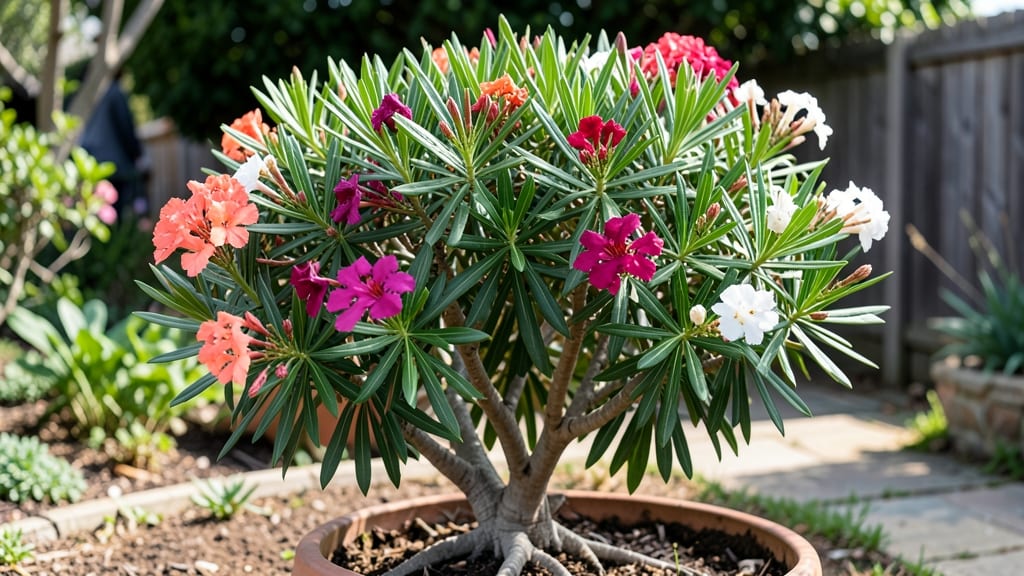
Oleander tree varieties perfect for Florida’s climate and soil
Florida’s sandy soil and humid heat create the perfect growing conditions for oleander trees, but not all varieties thrive equally. The right oleander cultivar can mean the difference between a lush, year-round bloomer and a struggling specimen.
Whether you need a dwarf variety for small spaces, a fast-growing shade provider, or a salt-tolerant option for coastal areas, Florida’s diverse climate demands the right match.
Oleanders are drought-resistant and heat-loving, making them ideal for Florida’s USDA zones 10a-11. However, some varieties handle the state’s heavy humidity and sandy soils better than others.
Below, I’ve curated the best oleander varieties for Florida, highlighting their growth habits, mature sizes, and ideal planting zones across the state.
🌺 Variety Selection Tip: Coastal gardeners should prioritize salt-tolerant varieties, while inland growers can focus on fast-growing or compact types for easier maintenance.
For small spaces or container gardening, the Petite Pink and Snowflake varieties are my top picks. Both stay under 10 feet tall and produce abundant blooms year-round, making them perfect for patios or balconies in Florida’s urban areas.
Their compact size also means less pruning, which is a plus for busy gardeners.
If you’re looking for quick shade or a privacy screen, the Splendens variety grows rapidly and reaches 10-15 feet in ideal conditions. This deep red bloomer is a showstopper and thrives in Florida’s hot, humid summers.
Plant it near driveways or pool areas to create instant shade while adding a tropical vibe to your landscape.
Coastal Florida gardeners should prioritize salt-tolerant varieties like Alba or Miss Hawaii. These trees handle salty winds and sandy soils better than others, making them ideal for beachfront properties or salt-spray zones.
The Alba variety, with its pure white flowers, is especially striking against the blue skies of coastal Florida.
For something uniquely colorful, the Citrinum variety offers bright yellow blooms, a rare find in the oleander world. This variety grows at a moderate pace and is ideal for
Step-by-step Florida oleander care: pruning, watering, and pest control
Your oleander tree in Florida demands minimal effort but rewards you with year-round blooms and lush foliage. The key to maintaining its health lies in seasonal pruning, strategic watering schedules, and proactive pest control.
Unlike many plants, oleanders thrive in Florida’s heat and humidity, but they still need your attention to stay vibrant and pest-free.
One of the biggest mistakes I see is over-pruning in early spring, which can stunt new growth. Instead, focus on light shaping cuts in late winter to encourage dense, bushy growth. Florida’s hurricane season also requires special attention—pruning weak branches before storms can prevent damage and keep your tree sturdy.
🌿 Year-Round Oleander Care Checklist
- Late Winter (Jan-Feb): Prune dead or crossing branches to shape the tree. Apply balanced fertilizer (6-6-6) to encourage spring growth.
- Spring (Mar-May): Water deeply once weekly. Monitor for scale insects—spray with neem oil if detected.
- Summer (Jun-Aug): Reduce watering to bi-weekly deep soaks. Prune lightly to maintain shape—avoid heavy cuts during peak heat.
- Fall (Sep-Nov): Prepare for hurricanes by removing weak branches. Apply fungicide if leaf spots appear.
- Winter (Dec-Feb): Water monthly if no rain. Prune only for shape—avoid heavy cuts that expose wood to cold.
Watering your oleander tree in Florida requires balance—too much can lead to root rot, while too little stresses the plant. During the dry season (Nov-Apr), I water deeply once a week, ensuring the soil is moist 6 inches down.
In summer’s intense heat, I switch to bi-weekly deep watering to prevent stress while avoiding fungal issues.
Pests like scale insects and oleander aphids are common in Florida’s warm climate. I’ve found that a neem oil spray applied every 4-6 weeks keeps them at bay.
For fungal diseases, like powdery mildew, I use a copper fungicide during humid months. Always check the undersides of leaves for early signs of infestation.
If your oleander tree loses leaves or flowers suddenly, it might be nutrient-deficient or struggling with overwatering. Adjust your care routine immediately—reduce watering and apply a slow-release fertilizer in early spring. With the right approach, your oleander will stay healthy and bloom beautifully year-round.
Remember, oleander is toxic—keep it away from pets and children. Wear gloves when pruning to avoid skin irritation. With these steps, your Florida oleander will thrive for years, adding tropical charm to your landscape effortlessly.