
Pruning
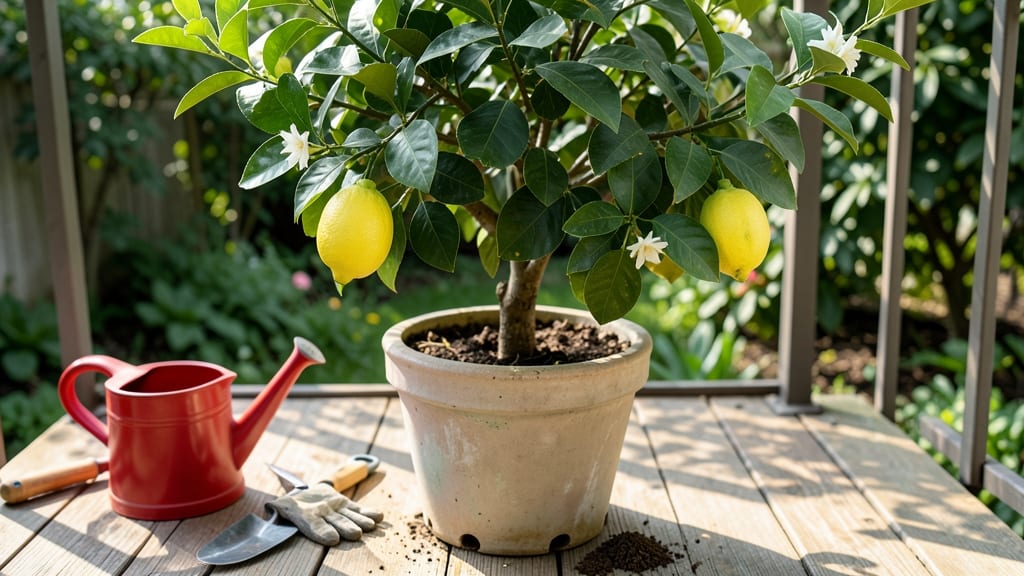
How to take care of a lemon tree in a pot means you can grow citrus anywhere—even on a balcony in Zone 5. 🌱 The key is mimicking its Mediterranean roots: bright light, infrequent watering, and occasional pruning to keep it compact. My first potted Meyer lemon tree went from sad to producing fruit in just 18 months after I adjusted these basics. You'll need a pot at least 18-24 inches wide with drainage holes, well-draining soil, and a sunny spot getting 6+ hours of direct light daily. Water only when the top inch of soil feels dry—overwatering kills more potted citrus than anything else. A slow-release fertilizer in spring and summer keeps it fed without burning roots. By winter, you'll see glossy leaves and maybe even tiny lemons forming. The trick is cutting back water and moving it to a cooler spot (but never below 45°F). Prune in late winter to shape it and remove dead wood, which encourages new growth and more fruit next season. This method works for Meyer, Eureka, or Lisbon varieties—just adjust sunlight based on your climate. Here's how to keep yours thriving year after year.
📚 In This Guide
- What you need
- Instructions
- Tips and common mistakes
- Wrapping up and next steps
What you need
- ● Pot: A container with drainage holes (minimum 12–18 inches in diameter for dwarf varieties, 20+ inches for standard trees). Terracotta or ceramic works best for airflow.
- ● Well-draining potting mix: 50% cactus/succulent mix + 30% perlite or pumice + 20% compost. Avoid heavy garden soil!
- ● Lemon tree: A dwarf or Meyer lemon (best for pots). Check local nurseries for 1–3 year-old saplings with healthy roots.
- ● Fertilizer: Citrus-specific fertilizer (e.g., 6-6-6 NPK ratio) or balanced organic fertilizer (like fish emulsion).
- ● Watering can with a rose attachment (to avoid soil erosion).
- ● Pruning shears: Sharp, sterilized (rubbing alcohol wipe before/after use).
- ○ Support stake or trellis: (Optional but helpful for taller varieties to prevent toppling.)
- ● Mulch: Pebbles or bark to retain moisture and regulate temperature.
- ● pH test kit: Keep soil slightly acidic (6.0–7.0) for optimal citrus health.
- ● Humidity tray: A shallow tray with pebbles + water to boost humidity in dry climates.
- ● Slow-release fertilizer tablets: Convenient for monthly feeding (place in soil during watering).
- ● Grow lights: If indoors, a full-spectrum LED (12–14 hrs/day) mimics sunlight.
Step-by-step instructions for caring for your potted lemon tree
Here’s the routine I’ve used to keep my lemon tree thriving for over five years—no fancy tools, just consistent care.
☀️ Step 1: Position for Maximum Sunlight
Lemon trees crave 6-8 hours of direct sunlight daily, so place your pot near a south- or west-facing window or under a grow light if indoors. I rotate my tree a quarter turn weekly so all sides get even exposure—you’ll notice new growth leaning toward the light if it’s uneven.
If outdoors, move the pot gradually to avoid sunburn. Start with morning sun only for the first week, then increase exposure. Watch for yellowing leaves—this means too much direct sun, so adjust the position or add shade cloth. In winter, supplement with 12-14 hours of grow light to maintain fruit production.
💧 Step 2: Water Deeply but Infrequently
Water when the top 2-3 inches of soil feel dry to the touch, which usually means every 7-10 days in summer and every 2-3 weeks in winter. I stick my finger in the soil—if it’s damp below the first inch, wait another day. Overwatering is the #1 killer of potted citrus, so always check before adding more.
Use room-temperature water to avoid shocking the roots, and pour slowly until water drains freely from the bottom. Empty the saucer after 10 minutes to prevent root rot. If the leaves start drooping or curling, it’s often a sign of underwatering, but yellow leaves usually mean overwatering. Adjust based on what you see.
✂️ Step 3: Prune for Shape and Fruit Production
Prune in late winter or early spring before new growth begins. Remove dead, crossing, or crowded branches first—these compete for energy and reduce fruit quality. I cut just above a leaf node (the bump where leaves grow) at a 45-degree angle to encourage healing. Never prune more than 1/3 of the tree at once, or it’ll stress the plant.
Shape the tree by trimming overly long branches to maintain an open center. This improves airflow and sunlight penetration, which prevents fungal diseases. After pruning, apply a balanced citrus fertilizer (like 6-6-6) to help it recover. You’ll see fresh, vibrant growth within 4-6 weeks—that’s your sign it’s happy.
🪴 Step 4: Repot and Fertilize Seasonally
Repot every 2-3 years in spring when roots circle the pot. Choose a container 2-4 inches larger in diameter with drainage holes, and use a well-draining citrus potting mix. I add a slow-release fertilizer pellet to the bottom of the new pot before transferring the tree. Gently loosen the root ball to encourage outward growth.
Fertilize every 4-6 weeks during growing season (spring through fall) with a citrus-specific fertilizer. Reduce to monthly in winter when growth slows. I mix fertilizer with water and apply it to the soil surface—never directly on leaves. Watch for dark green, glossy leaves as a sign your tree is getting the right nutrients. If leaves turn yellow with green veins, it’s usually a sign of iron deficiency.
Tips & tricks for perfect lemon tree care in pots
Keeping your potted lemon tree thriving takes a few simple but critical habits—here’s what I’ve learned from years of growing mine.
Light Exposure Insight: That 6-8 hours of sunlight is non-negotiable, but here’s the trick: if your tree starts leaning toward the light, it’s not getting even exposure. I set a timer to rotate my pot a quarter turn every week—this ensures balanced growth and prevents lopsided development. In winter, when natural light drops, supplement with 12-14 hours of grow light to maintain fruit production.
Watering Wisdom: The "top 2-3 inches dry" rule works, but I’ve found that checking soil moisture at different depths gives better results. Stick your finger in the soil—if it’s damp just below the top inch, wait another day. Overwatering is sneaky; I’ve seen trees with yellow leaves that were actually drowning in too much water. Always empty that saucer after 10 minutes to prevent root rot.
Pruning Precision: When pruning in late winter, I look for those leaf nodes—they’re the key to healthy regrowth. Make your cuts just above one at a 45-degree angle, and never trim more than 1/3 of the tree at once. After pruning, I apply a balanced fertilizer to give the tree a nutrient boost. You’ll know it’s working when you see fresh, vibrant growth within 4-6 weeks.
Repotting Strategy: That 2-3 year repotting schedule works well, but I’ve learned to check for root circling by gently tugging on the tree—if it resists, it’s time to upgrade. When repotting, I always add a slow-release fertilizer pellet to the new soil mix. This gives the tree a head start on nutrients while it adjusts to its new home.
Pro Tips for Take Care Of Lemon Tree In Pot
- Keeping your potted lemon tree thriving takes a few simple but critical habits—here’s what I’ve learned from years of growing mine.
- Light Exposure Insight: That 6-8 hours of sunlight is non-negotiable, but here’s the trick: if your tree starts leaning toward the light, it’s not getting even exposure.
- Watering Wisdom: The "top 2-3 inches dry" rule works, but I’ve found that checking soil moisture at different depths gives better results.
Frequently asked questions
Got questions about keeping your potted lemon tree thriving? Here are answers to the most common concerns—so you can enjoy luscious lemons without the guesswork!
How often should I water my potted lemon tree?
Water when the top 1-2 inches of soil feel dry to the touch—usually every 7-10 days in warm weather. Overwatering is the #1 killer, so ensure pots have drainage holes. In winter, reduce to every 2-3 weeks or when soil is bone-dry. Stick your finger in the soil to check!
Can a potted lemon tree survive winter indoors?
Yes! Move your tree indoors near a sunny window (south-facing is ideal) when temps drop below 40°F (4°C). Reduce watering and avoid cold drafts. If possible, place it under a grow light for 12+ hours/day to prevent leaf drop. A humidifier nearby helps too!
Why isn’t my lemon tree producing fruit?
Lemon trees need full sun (6+ hours/day), consistent care, and patience—they can take 2-5 years to bear fruit in pots. Check for these issues:
- Not enough light? Move it to a sunnier spot.
- Too young? Focus on growth first.
- Lack of pollination? Gently shake branches or use a small brush to transfer pollen.
What’s the best pot size for a lemon tree?
Start with a 5-gallon pot for young trees, then upgrade to 10-15 gallons as it grows. Lemon trees hate root-bound conditions, so choose pots 2-3 inches wider than the root ball. Use a well-draining mix (cactus soil + perlite) to prevent soggy roots.
How do I get rid of pests like aphids or spider mites?
Start with a neem oil spray (mix 1 tsp neem oil + 1 tsp mild soap + 1 quart water). Spray both sides of leaves every 5-7 days until pests vanish. For severe infestations, wipe leaves with a soapy water cloth (1 tsp dish soap per gallon of water). Keep your tree healthy and hydrated to deter pests!
Pro Tip:
Need a quick health check? Yellow leaves = overwatering or nutrient deficiency. Dropping leaves = stress (too cold, drafty, or sudden changes). Brown tips = underwatering or fluoride buildup (use filtered water). Adjust care and watch your tree bounce back!
Wrapping up and next steps
Caring for a lemon tree in a pot is a rewarding journey that combines patience, consistency, and a little green thumb love! 🌱 With the right balance of sunlight, water, soil, and pruning, your tree will thrive—and soon, you’ll be savoring homegrown lemons year-round.
Start small, stay observant, and don’t hesitate to adjust your routine as your tree grows.
Ready to take the next step? Experiment with varieties, try grafting, or even share your harvest with friends! Your lemon tree isn’t just a plant—it’s a living work of art. Happy growing! 🍋✨