
Pruning
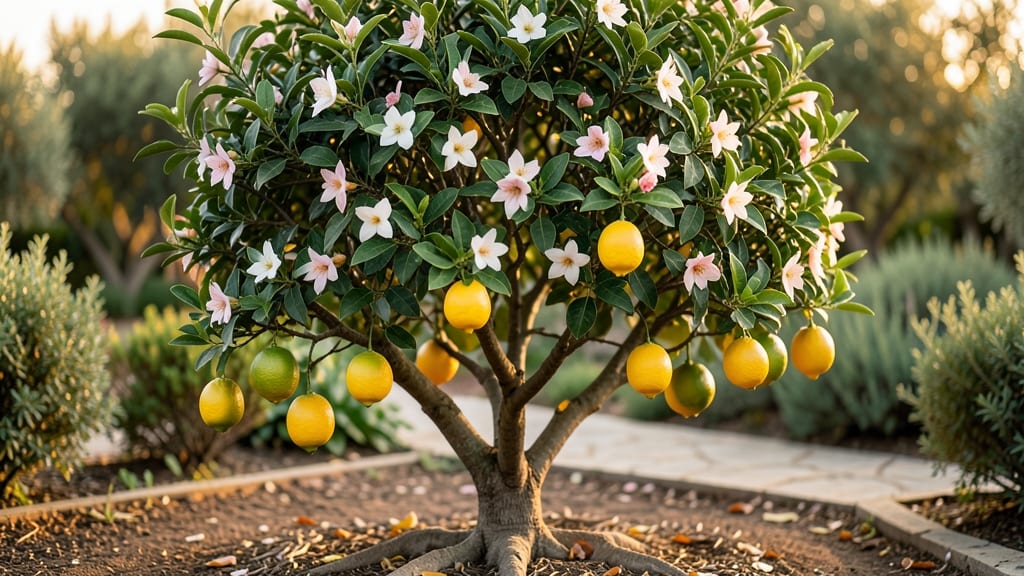
Meyer lemon trees grow best in USDA hardiness zones 9-11, where they naturally survive winters down to 20°F (-6.7°C) without damage. In colder zones (8 and below), these citrus trees need extra winter protection to prevent frost damage.
Meyer lemon trees are tropical plants, so their cold sensitivity comes from their delicate root systems and leaves, which can sustain damage even from light frost. 🌱 The 20°F (-6.7°C) threshold is where most Meyer lemons start showing winter stress—leaves may blacken, and new growth can die back.
Unlike regular lemons, which are slightly more cold-tolerant, Meyer lemons are prized for their sweet, flavorful fruit, making their winter care especially important for home gardeners.
For those in zones 8 or colder, container growing is a game-changer. Moving potted trees indoors during winter or using frost blankets can push their hardiness down to 15°F (-9.4°C) with proper insulation.
Mulching around the base and choosing wind-protected spots also helps. Many gardeners in marginal zones report success by combining these methods, especially when paired with slow-release fertilizers to support recovery after dormancy.
💡 In This Article
- Understanding Meyer Lemon Tree Cold Hardiness Limits
- Extending Meyer Lemon Tree Growing Zones with Winter Care
Understanding Meyer lemon tree cold hardiness limits
The 20°F (-6.7°C) threshold isn't just a random number—it's where Meyer lemon tree cells begin freezing. Their tropical origins mean their root systems, which are the weakest link, struggle below 32°F (0°C).
Unlike regular lemon trees (Citrus × limon), which can handle brief dips to 18°F (-7.8°C), Meyer lemons (Citrus × meyeri) have thinner bark and less cold-resistant foliage. 🌿 The key difference? Meyer lemons prioritize sweet, juicy fruit over cold tolerance, making their care more delicate but rewarding.
Frost damage starts with the leaves—water inside plant cells expands when frozen, rupturing cell walls and causing blackened, mushy foliage. The roots, buried deeper, suffer next as ice crystals form in the soil, cutting off water and nutrient flow.
What's fascinating is how quickly this happens: 30 minutes at 18°F (-7.8°C) can kill new growth, while 20°F (-6.7°C) for 2 hours risks permanent damage. This explains why zone 9 gardeners often see winter dieback even when temperatures don't drop that low.
The USDA zone 9-11 range reflects this biology perfectly. Zone 9's 20-30°F (-6.7 to -1.1°C) average winter lows align with Meyer lemons' tolerance, while zone 10's 30-40°F (-1.1 to 4.4°C) provides a safer margin. Zone 11's 40°F+ (4.4°C+) is ideal for year-round outdoor growth.
The comparison to regular lemons highlights how Meyer lemons trade cold hardiness for fruit quality—where regular lemons might survive 18°F (-7.8°C), Meyer lemons need 5°F (2.8°C) more warmth to thrive.
What most people overlook is how wind chill compounds the problem. A calm 20°F (-6.7°C) night is survivable, but 15mph winds can make it feel like 10°F (-12.2°C), damaging leaves instantly.
This is why sheltered microclimates—like against south-facing walls—can extend growing zones by 1-2 zones. The science here is about protecting the plant's transpiration surfaces (leaves) from rapid temperature swings.
For gardeners in transition zones (like zone 8b with 15-20°F (-9.4 to -6.7°C) winters), understanding these thresholds means the difference between a dead tree and a productive one**.
The root zone's sensitivity to frost explains why container growing works so well—potted trees can be moved to protected areas before winter sets in, preventing ground frost from penetrating the root ball.
Here's a quick comparison to internalize these limits:
- Zone 9: 20-30°F (-6.7 to -1.1°C) - Safe with minimal protection
- Zone 8: 15-20°F (-9.4 to -6.7°C) - Needs winter care (mulch, blankets)
- Zone 7: 10-15°F (-12.2 to -9.4°C) - Container growing required
- Zone 6 or below: 0-10°F (-17.8 to -12.2°C) - Indoor overwintering essential
The takeaway? Meyer lemons aren't just about temperature—they're about duration and exposure. A brief cold snap might be survivable, but prolonged exposure below 20°F (-6.7°C) will stress the tree, reducing fruit production for the next season. 💫