
Pruning
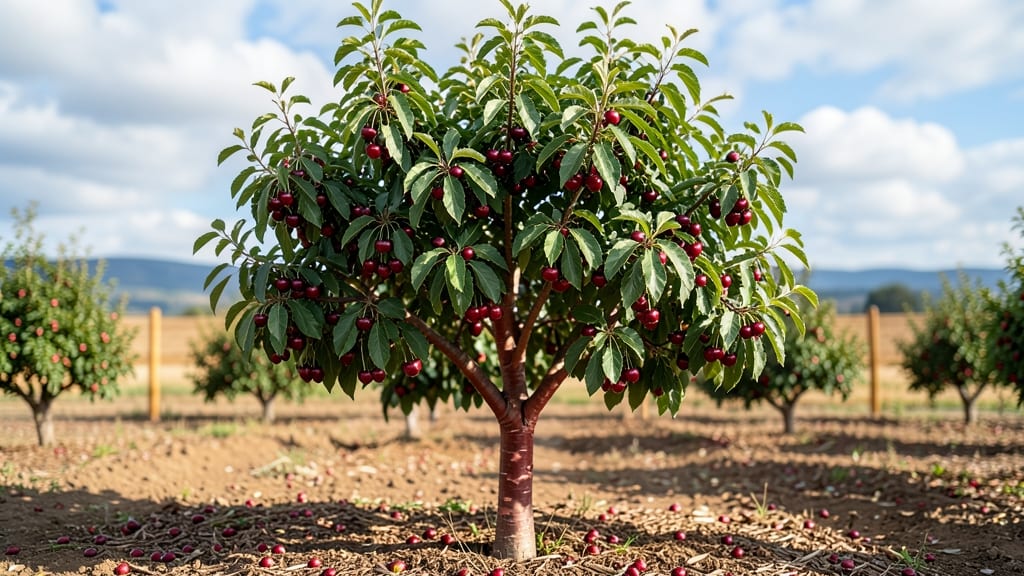
A Bing cherry tree 🍒 can grow between 15 and 25 feet at maturity, but that height isn’t set in stone—your pruning habits, soil quality, and even the type of rootstock can push it toward the shorter or taller end of that range.
If you're dreaming of a backyard bursting with sweet Bing cherries, understanding your tree's growth potential is key—because a 15-foot tree won’t fit in the same space as a 25-foot giant.
Without proper care, even a dwarf variety can outgrow its welcome, while aggressive pruning can keep a standard tree compact enough for a small garden.
What’s more, the first few years are all about rapid growth: a sapling can shoot up 6 feet in just two years, so knowing when to prune—and how—is the difference between a manageable tree and one that towers over your patio.
Below, I’ll break down the factors that influence height, how to control it, and which varieties stay smaller without sacrificing fruit.
You’ll also discover three pruning techniques that can keep your Bing cherry at your ideal height, whether you’re working with a standard tree or a space-saving dwarf. Let’s get started.

Bing cherry tree height by growth stage: from sapling to mature canopy
Understanding your Bing cherry tree height progression is essential for planning your garden layout and ensuring your tree thrives. From a tiny sapling to a towering fruit producer, its growth stages reveal how rootstock and pruning shape its final size.
Let’s explore how this beloved variety grows from year to year, including seasonal patterns that influence its height trajectory.
In its first year, a Bing cherry sapling typically reaches 2-4 feet tall, with some vigorous varieties hitting 5-6 feet under ideal conditions. This early growth sets the foundation for future height gains, especially if planted on standard rootstock.
The first winter is critical—cold hardiness and soil conditions determine how much it’ll sprout in spring.
By year two, expect a growth spurt to 6-8 feet, with branches beginning to form. This stage is when pruning becomes crucial—removing competing stems and shaping the canopy prevents overcrowding.
Without intervention, a standard Bing cherry can shoot up 10 feet by year three, making early pruning a game-changer for managing height.
Here’s a detailed breakdown of Bing cherry tree height progression, including seasonal growth patterns and the impact of rootstock on final height:
| Growth Stage | Height Range (Standard Rootstock) | Dwarf Rootstock Height | Seasonal Growth Notes |
|---|---|---|---|
| Year 1 (Sapling) | 2–4 ft | 1–2 ft | Slow early growth; focus on root establishment. |
| Year 2 | 6–8 ft | 3–5 ft | Rapid vertical growth; prune to encourage branching. |
| Year 3–4 | 10–12 ft | 6–8 ft | Canopy expands; reduce apical dominance with pruning. |
| Mature (5–7 Years) | 15–25 ft | 8–12 ft | Full fruit production; maintain height with annual pruning. |
The rootstock you choose dramatically alters your Bing cherry’s final height. Standard rootstock yields trees reaching 18–25 feet, while dwarfing rootstock like Gisela 5 or Colt keeps trees between 8–12 feet.
Semi-dwarf options (e.g., Montmorency rootstock) bridge the gap at 12–18 feet, making them ideal for smaller yards.
Seasonal growth patterns also play a role. Bing cherries experience 80% of their annual growth in spring and early summer, with minimal height gains in fall. This means winter pruning (dormant season) is ideal for shaping the tree without stressing it.
Avoid heavy pruning in late summer—it can stimulate tender growth vulnerable to frost damage.
If you’re growing a Bing cherry in containers, expect even more compact growth due to root restriction. Containerized trees on dwarfing rootstock often max out at 6–8 feet, perfect for patios or small balconies.
Just ensure the pot is at least 18–24 inches in diameter to accommodate root growth without stunting the tree.
Pruning isn’t just about height control—it’s about fruit production. Open-center pruning (removing the central leader) encourages a wider canopy, while central leader pruning keeps the tree taller but narrower.
For standard Bing cherries, aim to remove 20–30% of the canopy annually to maintain airflow and reduce disease risk. Use clean, sharp tools and prune just above outward-facing buds.
One common mistake is assuming all Bing cherries grow the same. Clonal rootstock (like those used for commercial orchards) can produce trees that are 30% taller than those on dwarfing rootstock.
Always check the nursery label—what’s labeled as "Bing" might actually be a hybrid with different growth habits. For precise height control, opt for certified dwarf varieties like Bing Compact.
🌱 Whether you’re planning a backyard orchard or a container garden, knowing your Bing cherry’s growth stages helps you create a thriving, manageable space. Start with the right rootstock, prune strategically, and watch your tree grow into a sweet, productive centerpiece—without overpowering your landscape.
How to control Bing cherry tree height: pruning techniques for compact growth
Managing your Bing cherry tree height starts with smart pruning—because without control, that 15-25-foot giant will quickly outgrow your backyard. The key lies in choosing the right pruning method and timing, whether you prefer the open-center shape for easier fruit picking or the central leader for a more formal look.
Both approaches work, but the tools and timing make all the difference.
For most gardeners, winter pruning (dormant season) is ideal because it minimizes stress and disease risk. However, summer pruning can shape growth more precisely if you’re working with a young tree.
The real game-changer? Dwarfing rootstock—like Mahaleb or Colt—can slash mature height by 50% or more, turning a 25-foot tree into a manageable 8-12-foot specimen. Let’s break down the best techniques and tools to keep your tree in check.
Pruning Methods for Bing Cherry Tree Height Control
Open-Center Pruning
- Pros: Easier fruit access, better airflow, compact growth
- Cons: Requires frequent pruning, less formal appearance
Central Leader Pruning
- Pros: Stronger structure, better for tall varieties
- Cons: Harder to harvest, may need support stakes
Dwarfing Rootstock Options
- Mahaleb: Reduces height by 50%, great for containers
- Colt: Semi-dwarf, ideal for small yards (12-18 ft)
- Gisela 5: Ultra-dwarf (8-12 ft), needs staking
✂️ Best for: Open-center = small spaces; Central leader = tall varieties
When pruning, always use sharp, sterilized tools—a bypass pruner for small branches and a pruning saw for thicker limbs. Start by removing dead or diseased wood first, then thin out crowded branches to improve air circulation.
For height control, focus on cutting back vertical shoots by one-third during winter pruning. Avoid heavy cuts in late summer, as this can stimulate weak, disease-prone growth before winter.
Timing is everything: Winter pruning (late fall to early spring) promotes strong spring growth, while summer pruning (June-July) helps shape the tree but should be minimal. If you’re working with a young tree, light pruning every 6 months keeps it manageable.
Remember, Bing cherries produce fruit on second-year wood, so avoid over-pruning—you’ll sacrifice next year’s harvest.
For container-grown Bing cherries, prune more aggressively to control root and shoot growth. Use dwarfing rootstock and repot every 2-3 years to refresh the soil. Mulch heavily around the base to retain moisture and reduce stress.
With the right approach, even a standard Bing cherry can be tamed into a backyard-friendly size—just don’t skimp on the pruning!
One final tip: Never prune when the tree is wet—this increases the risk of bacterial canker, a common cherry tree disease. Sterilize your tools with rubbing alcohol between cuts, and seal larger wounds with pruning sealant to prevent infection.
With patience and precision, your Bing cherry will stay at your desired height while still bursting with sweet, juicy fruit.