
Trees
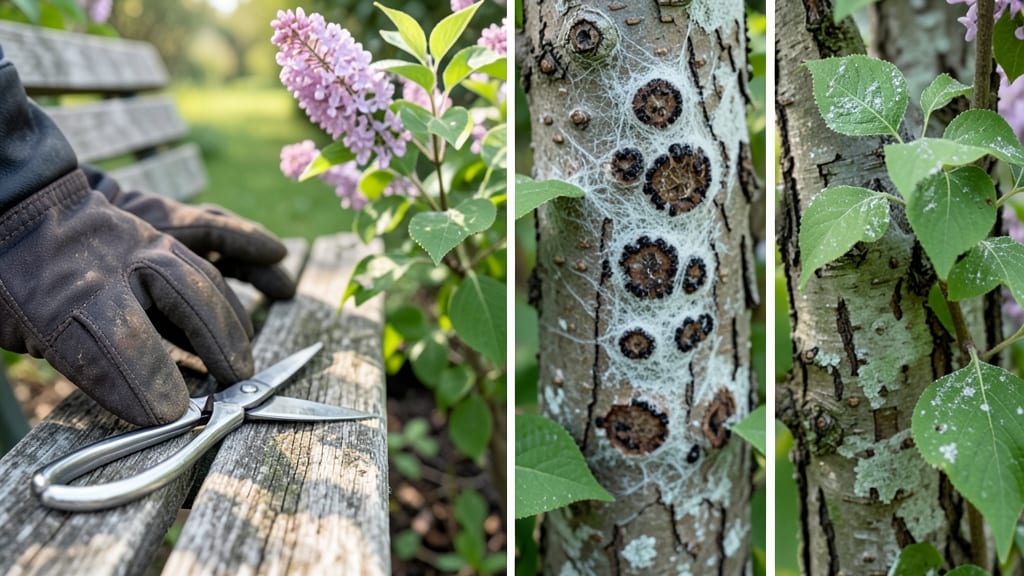
Lilac tree fungus on the bark can turn your fragrant spring blooms into a sad, peeling mess—unless you act fast. 🌿 The first sign is usually dark, sunken spots on the trunk or branches, followed by powdery growth or oozing sap that attracts pests. I’ve seen lilacs go from showstopper to sad sapling in just one season, but the right treatment can bring them back to life.
Most bark fungus starts with stress—too much water, poor air circulation, or old wounds that never healed. The good news? Lilacs are tough, and organic fixes like copper fungicide sprays or neem oil can stop the spread while keeping your yard chemical-free.
Prune out infected branches in dry weather (never when it’s wet!) and seal small cracks with pruning paint to block fungal entry points.
With consistent care, your lilac can bounce back stronger than ever—think fuller blooms and thicker bark that resists future infections. The key is catching it early and treating it like a garden doctor would: clean cuts, fresh air, and a little preventive medicine. Your tree’s health depends on it.
Works for both young lilacs and mature trees, and the methods scale from small backyards to large landscapes. Let’s get that bark looking healthy again!
Root Causes Of Bark Fungus
Fungal infections on lilac tree bark don’t appear overnight—they’re the result of a perfect storm of environmental, biological, and even human factors. Understanding these causes is the first step to prevention and treatment.
Let’s break down the key reasons why lilac trees develop fungal issues on their bark, so you can address them proactively.
Fungi thrive in damp, humid conditions, and lilac trees are particularly vulnerable when their bark stays wet for prolonged periods. Here’s why moisture is a major culprit:
- Rain and Irrigation Overload: Frequent or heavy watering—especially overhead sprinklers—keeps bark damp, creating an ideal breeding ground for fungal spores. Tip: Water at the base (not the bark) and avoid late-day irrigation to allow foliage to dry.
- Poor Soil Drainage: Compacted or clay-heavy soil traps moisture against the bark. Fungi like Venturia (a common lilac pathogen) exploit this environment to colonize.
- Fungal Spores in Standing Water: Puddles near the trunk or poorly sloped ground encourage spore germination. Pro Tip: Improve drainage with organic mulch (3–4 inches away from the trunk) or a slight soil mound.
A lilac tree’s natural resistance can weaken due to stress, making it susceptible to fungal attacks. Common stressors include:
| Stressor | How It Affects Bark Health |
|---|---|
| Nutrient Deficiencies | Lack of nitrogen, phosphorus, or micronutrients (like zinc) weakens bark cell walls, making them easier targets for fungal enzymes. |
| Physical Damage | Scrapes from tools, animal rubs, or hail create entry points for spores. Action: Prune carefully and protect young trees with tree wraps. |
| Pests (e.g., Borers, Scale) | Insects burrowing into bark create wounds that fungi exploit. Watch For: Sawdust-like frass or sticky residue. |
| Environmental Shock | Extreme heat, cold snaps, or drought stress trees, lowering their ability to fight infections. |
Fungal spores can hitch a ride on gardening tools, spreading from infected plants to healthy ones. Here’s how it happens:
- Cross-Contamination: Pruning shears used on an infected lilac may transfer Botryosphaeria or Cytospora spores to another tree’s bark.
- Spores in Mulch or Soil: Old mulch or compost from diseased plants can reintroduce fungi when reused.
- Wind and Rain Spread: Spores travel via air or water, landing on fresh wounds or moist bark.
Prevention: Sterilize tools with 70% isopropyl alcohol or bleach solution (1 part bleach to 10 parts water) between uses.
Fungi have specific temperature and humidity preferences. For lilac trees, the worst conditions are:
- Temperature Range: Most bark fungi (e.g., Phomopsis) thrive between 60–80°F (15–27°C). Cool, damp springs or warm, humid summers accelerate outbreaks.
- Humidity Levels: Relative humidity above 70% for >24 hours encourages spore germination. Solution: Improve airflow with strategic pruning.
- Bark pH Imbalance: Alkaline bark (pH >7) is more susceptible to fungal attachment. Test: Use a soil/bark pH test kit and amend with sulfur if needed.
Key Takeaway: By addressing moisture, tree health, tool hygiene, and environmental factors, you can disrupt the conditions that allow fungi to take hold on your lilac’s bark. The next step? Learn how to treat and prevent these issues naturally.
Quick Fixes for Fungal Bark Issues
Fungal infections on lilac tree bark can be frustrating, but with the right approach, you can restore your tree’s health and prevent further damage. Below are practical, step-by-step solutions tailored to common causes—from environmental stress to fungal outbreaks—along with prevention tips to keep your lilac thriving.
If you spot dark, powdery patches, cracking, or oozing lesions on the bark, the fungus may have already taken hold. Here’s how to clean it up without harming the tree:
- 🔪 Prune Affected Areas
- Use sterilized pruning shears (wipe with rubbing alcohol between cuts) to remove dead or heavily infected branches.
- Cut 6 inches below the visible damage to ensure you’re below the fungal zone.
- Pro Tip: 💡 Bag and dispose of infected branches in the trash (not compost)—fungus can spread via organic waste!
- 🧼 Scrub the Bark Gently
- Mix 1 part bleach with 9 parts water (or use a baking soda paste for a gentler option).
- Apply with a soft brush to loose, flaky bark or fungal growth.
- Avoid scrubbing healthy bark—focus only on discolored or peeling sections.
- Warning: 🌡️ Avoid strong chemicals like undiluted bleach, which can burn the tree.
- 🌬️ Improve Airflow
- Thin out overcrowded branches to allow sunlight and air to circulate.
- Space lilacs at least 6 feet apart from other trees/shrubs to reduce humidity buildup.
Weakened trees are prime targets for fungus. Strengthen your lilac’s defenses with these low-effort, high-impact strategies:
- 💧 Water at the Right Time
- Water deeply but infrequently—lilacs hate soggy roots!
- Water in the morning (not at night) to allow foliage to dry quickly.
- Pro Tip: ✨ Mulch properly—keep mulch 2–3 inches deep and 6 inches away from the trunk to prevent moisture traps.
- 🍽️ Feed with Organic Matter
- Apply a balanced, slow-release fertilizer (10-10-10) in early spring.
- Mix compost or worm castings into the soil to improve root health.
- Avoid high-nitrogen fertilizers—they promote soft, fungus-loving growth.
- 🛡️ Apply Natural Fungicides
- Neem oil spray (1 tsp per quart of water + a drop of dish soap) – fungicidal and safe for lilacs.
- Copper fungicide (follow label instructions) – effective against powdery mildew and anthracnose.
- Baking soda spray (1 tbsp baking soda + 1 tsp oil + 1 gallon water) – great for early-stage infections.
An ounce of prevention saves hours of cleanup! Follow these easy maintenance habits to keep your lilac fungus-free:
| Risk Factor | Prevention Action | When to Do It |
|---|---|---|
| High humidity | Prune for airflow, avoid overhead watering | Spring & summer |
| Poor drainage | Amend soil with sand/compost, check for clay | Fall or early spring |
| Stressed tree | Mulch, fertilize, water consistently | Early spring & fall |
| Old, damaged bark | Gently scrape loose bark, apply neem oil | Late winter or early spring |
If you notice:
- Large cankers (sunken, oozing wounds)
- Wilted leaves despite watering
- Fungal spread to other plants
…it’s time to consult an arborist—some infections (like cytospora canker) require professional treatment.
Final Reminder: 🌿 Healthy lilacs start with healthy soil and smart care! With these fixes, your tree will bounce back—and stay fungus-free for years.
Frequently asked questions about lilac tree bark fungus
What does lilac bark fungus look like at different stages?
Early signs include small, dark brown or black spots that appear sunken or cracked. As it progresses, you’ll see powdery growth (like flour dust), oozing sap, or peeling bark. In advanced cases, large cankers form with yellowish residue. Compare these to healthy bark, which should be smooth and grayish-brown.
Can I save a lilac tree if the fungus has already spread to the trunk?
Yes, but act fast! Prune infected branches 6 inches below the damage, then clean the trunk with a 1:9 bleach-water mix. Apply copper fungicide or neem oil spray every 2 weeks until new growth appears. For severe trunk infections, consult an arborist—some cases require professional treatment.
Is neem oil safe to use on lilacs during blooming season?
Neem oil is generally safe, but avoid spraying directly on flowers when lilacs are in bloom. Apply in early spring or late fall when the tree isn’t flowering. For blooming trees, focus on spraying the bark and undersides of leaves—this prevents harming pollinators while still protecting the tree.
How often should I check my lilac tree for fungus?
Inspect your lilac once every 2 weeks during growing seasons (spring and summer). Pay special attention after heavy rains or pruning. Early detection is key—catching fungus before it spreads to the trunk gives you the best chance of saving the tree with minimal treatment.
Will removing infected branches kill my lilac tree?
Not if you remove only the infected parts! Prune back to healthy bark (look for smooth, unblemished areas) and avoid cutting into the trunk unless absolutely necessary. Lilacs are resilient—removing diseased branches actually helps the tree redirect energy to healthy growth. Just sterilize your tools between cuts to prevent spreading spores.