
Diseases
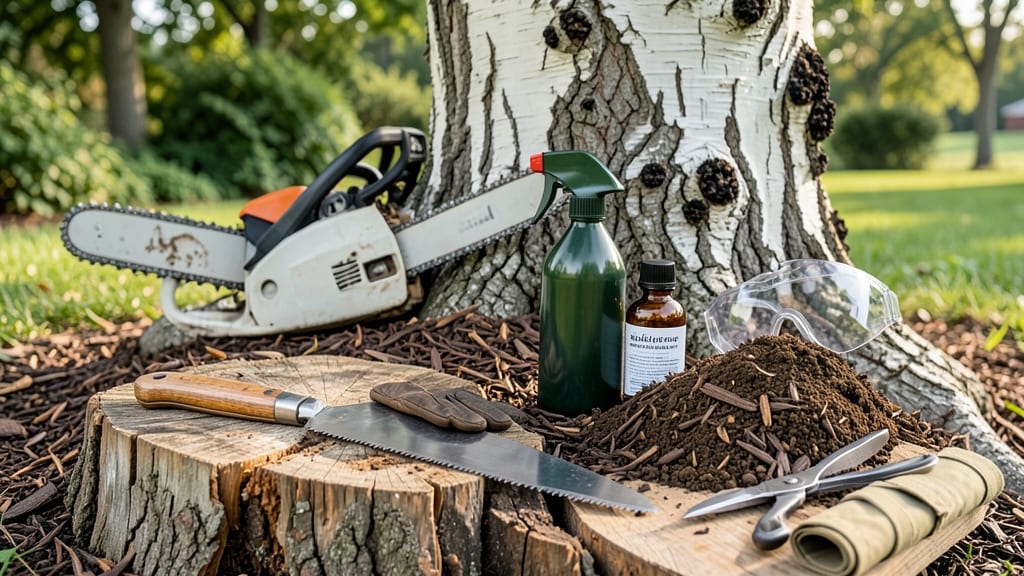
Fighting stubborn tree fungus removal in Aledo during those humid summers? Copper spray is your secret weapon. 🌿 I’ve battled powdery mildew and rust on oak and pecan trees here—these sprays stop fungus before it spreads, and they’re safer than you’d think.
The real issue is Aledo’s muggy air and clay soil, which trap moisture and fuel fungal growth. Most homeowners overlook early signs—yellowing leaves, black spots—until branches start dying. Copper fungicides work by disrupting spores, and organic options like neem oil can help too.
After treatment, you’ll see new growth within 2-3 weeks, and the fungus won’t return if you reapply every 2-4 weeks during rainy seasons. The key is timing: spray in the morning when leaves are dry, and avoid windy days.
For advanced cases—like root rot or large cankers—call an arborist. But for most spots, this method works like a charm. Your trees will thank you with lush, healthy foliage all season long.
Root Causes Of Tree Fungus
Fungal infections in trees aren’t random—they thrive due to specific conditions that weaken trees or create ideal environments for spores to spread. Understanding these triggers helps Aledo homeowners and arborists take preventive action. Below are the most common reasons why tree fungus takes hold, explained in clear scientific terms.
Fungi love water—literally. Most tree-damaging fungi, like Armillaria (root rot) or Phytophthora, require prolonged dampness to germinate and infect. Here’s how moisture fuels the problem:
- Overwatering or irrigation issues: Trees planted in low-lying areas or with poor soil drainage (common in clay-heavy Aledo soils) sit in waterlogged conditions. Fungal spores, which often lie dormant in soil, awaken when moisture levels rise above 30-40%.
- Rainfall patterns: Aledo’s humid summers create a perfect storm for fungal growth. Heavy, frequent rains (or even morning dew) keep bark and soil saturated, giving fungi a 24/7 buffet.
- Mulch buildup: Thick mulch layers (over 4 inches) trap moisture against the trunk, mimicking the damp microclimate fungi crave. Pro tip: Fluff mulch annually and keep it 3–4 inches from the trunk.
Actionable fix: Improve soil aeration with organic matter (compost or pine bark fines) and install French drains if water pools near tree bases.
A healthy tree’s bark, roots, and leaves act as a natural barrier against fungi. But when trees are stressed, their defenses crumble—like leaving your front door unlocked for burglars. Common stressors include:
Stressor
How It Helps Fungi
Nutrient deficiencies (e.g., nitrogen or potassium)
Weakens cell walls, making tissues easier to penetrate by fungal hyphae.
Pests (borers, aphids, scale insects)
Insect bites create entry wounds for fungi like Valsa (canker disease).
Physical damage (lawnmower cuts, storm wounds)
Exposes cambium layer (the tree’s growth engine), inviting fungal colonization.
Competition from nearby plants/roots
Starves the tree of resources, reducing its ability to fight infections.
Actionable fix: Conduct a soil test (via Texas A&M AgriLife) and fertilize with balanced, slow-release formulas in early spring. Prune to improve airflow and seal wounds with tree wound paint (only on fresh cuts).
Fungi aren’t picky about temperature—but they do have a sweet spot. Most tree pathogens thrive in Aledo’s climate when:
- Daytime temps: 70–85°F (optimal for spore germination and growth).
- Nighttime temps: Above 60°F (prevents fungal dormancy).
- Relative humidity: 70%+ (creates a film of water on leaves/bark, facilitating spore movement).
💡 Pro tip: Fungi like Cercospora (leaf spot) peak during late spring to early summer—this is when preventive copper sprays (your go-to in Aledo!) work best.
Actionable fix: Monitor local weather forecasts and apply fungicides (copper-based or neem oil) proactively during high-humidity windows. Prune to reduce leaf wetness by improving sunlight penetration.
Stagnant air = fungal paradise. Trees in crowded landscapes or dense foliage suffer from:
- Reduced evaporation: Leaves stay wet longer, creating ideal conditions for spore germination.
- Higher humidity microclimates: Fungal spores survive longer in still, damp air.
- Increased pathogen spread: Wind disperses spores, but no wind = spores linger near infection sites.
Actionable fix:
Effective Ways to Treat Tree Fungus
Fungal infections can turn your Aledo trees into unsightly, weakened specimens—but the good news is that early action and the right methods can restore their health. Below, we break down practical solutions tailored to common causes of tree fungus, from mild discoloration to severe decay.
Each fix includes step-by-step instructions and prevention tips to keep your trees thriving long-term.
Cause: Overwatering, poor airflow, or weak tree immunity. Solution: Start with copper-based fungicides—the gold standard for Aledo’s humid climate.
Steps:
- 🔥 Choose the Right Spray:
- Use a copper fungicide (like Copper Sulfate 50 or Copper Octanoate) for organic control. Avoid harsh chemicals near edible plants.
- Pro Tip: Mix with neem oil (1 tsp per gallon) for extra antifungal power. 🌿
- 👨🍳 Apply at Dawn or Dusk:
- Spray evenly on both sides of leaves and the tree trunk. Focus on spots, cracks, or discolored areas.
- Warning: Wear gloves and a mask—copper can irritate skin. 😷
- 🌧️ Reapply After Rain:
- Rain washes away fungicides. Schedule 2-3 treatments (every 7–10 days) until the fungus clears.
Prevention:
- ✨ Improve airflow by pruning dense branches.
- 💡 Water at the base (not overhead) to reduce leaf moisture.
- 🌡️ Mulch properly—keep mulch 3–4 inches away from the trunk to prevent rot.
Cause: Waterlogged soil, wounds, or buried debris. Solution: Aggressive intervention is key—this fungus spreads underground.
Steps:
- 🔪 Prune Infected Areas:
- Cut out mushrooms at the base and discolored bark with sterilized pruners (wipe with rubbing alcohol between cuts). ⚠️
- Pro Tip: Bag and dispose of infected wood—don’t compost it! 🗑️
- 💧 Fix Soil Drainage:
- Dig a 12-inch deep trench around the tree to break up compacted soil.
- Add sand or gravel to improve drainage. For severe cases, consider a French drain.
- 🍄 Apply Fungicidal Soil Treatment:
- Use Propiconazole or Myclobutanil (follow label rates) and water deeply to reach roots.
- Alternative: Beneficial fungi like Trichoderma can outcompete harmful pathogens. 🍄➡️🚫
Prevention:
- 🌡️ Avoid overwatering—stick to 1 inch per week (check with a trowel test).
- 🎯 Wrap young trees with tree guard to prevent sunscald and fungal entry points.
- 🔍 Inspect wounds—seal cuts with pruning paint (like Tanglefoot) to block spores.
Cause: Fungal spores splashing from soil or infected leaves. Solution: Remove the source and boost tree resilience.
Steps:
- 🍃 Rake & Remove Debris:
- Collect fallen leaves and mulch in a sealed bag (do not compost). Burn or trash them. 🔥
- Quick Fix: Use a leaf blower to clear debris from the base.
- 🍄 Spray with Baking Soda Mix:
- Combine 1 tbsp baking soda + 1 tsp dish soap + 1 gallon water. Spray every 2 weeks for mild cases. 🧼
- 🌿 Fertilize for Strength:
- Apply a balanced fertilizer (10-10-10) in early spring to help the tree recover.
Prevention:
- 💡 Space trees 6–10 feet apart for airflow.
- 🌡️ Water early (before 10 AM) to let leaves dry faster.
- 🎯 Prune in dry weather to avoid spreading spores.
If you see:
- Large mushroom clusters at the base.
- Oozing sap or hollow-sounding wood (tap with a hammer).
- No improvement after 3 treatments.
A local arborist in Aledo can assess root health and recommend deep soil treatments or tree removal if necessary.
💡 Final Pro Tip: Monitor trees monthly—catching fungus early (like tiny yellow spots) is 10x easier than treating advanced rot! Set a reminder for spring and fall—peak fungus seasons. 📅✨
Frequently asked questions
Can I use vinegar to treat tree fungus in Aledo?
Vinegar isn't recommended for treating tree fungus. While it may kill some surface spores, its acidity can damage leaves and bark. For Aledo's climate, stick to copper fungicides or neem oil—they're safer and more effective. Always dilute vinegar to 1 part vinegar to 4 parts water if you want to try it as a last resort for non-critical areas.
How often should I apply copper spray in Aledo?
Apply copper fungicide every 7-14 days during humid seasons (spring and fall) or after heavy rains. For preventive care, 3 applications spaced 2 weeks apart works well. Always reapply after rain washes away the treatment. The key is consistency—fungus spreads quickly in Aledo's warm, damp climate.
What are the signs my tree has root rot?
Watch for mushrooms growing at the base, yellowing leaves despite proper watering, and soft, spongy bark when touched. Tap the trunk—if it sounds hollow, root rot may be present. In Aledo's clay soil, poor drainage worsens this issue. If you see these signs, act fast with soil drainage fixes and fungicidal treatments.
Is it safe to compost leaves with fungus?
Never compost leaves with visible fungus. The spores will survive and reinfect your garden. Instead, bag and dispose of infected leaves in yard waste. For healthy leaves, you can compost them—just avoid any with black spots, powdery coatings, or mold. This prevents spreading fungal diseases to other plants.
When should I call an arborist for tree fungus?
Contact an arborist if you see large cankers, oozing sap, or no improvement after 3 treatments. Advanced cases like root rot or heart rot often require professional intervention. In Aledo, local arborists can also recommend tree-specific treatments for oak, pecan, or other common species.