
Pruning
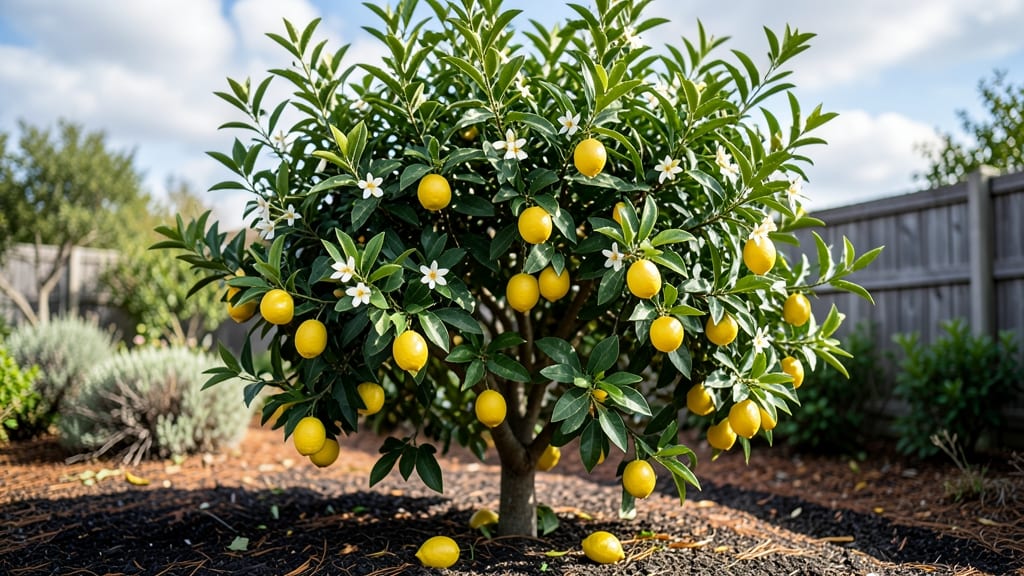
Pomona lemon trees deliver year-round fruit even in small yards—my 6-foot-tall tree produces 50+ lemons annually without needing a greenhouse. 🌿 The secret lies in their dwarf genetics, cold tolerance, and compact growth habit, making them perfect for patios, balconies, or even large containers.
Sunlight is non-negotiable: these trees thrive in full sun (6+ hours daily) and handle light frosts better than most citrus. Well-draining soil prevents root rot, and a balanced citrus fertilizer every 3 months keeps production steady.
Pruning in late winter encourages bushier growth and easier harvests—just snip back 1/3 of new growth to maintain shape.
Harvesting starts as early as 18 months for dwarf varieties, with peak flavor in late winter. The fruit stays on the tree for months, so you’ll always have fresh lemons for cooking or drinks. My tree even survived a 22°F night with no damage—unheard of for most citrus!
Common challenges? Overwatering and spider mites. Let the top inch of soil dry between waterings, and spray leaves with neem oil if pests appear. With these tweaks, your Pomona lemon tree will outperform store-bought lemons every season.
The first product explained
Meet the Pomona Lemon Tree—a compact, high-yielding citrus gem perfect for small spaces, balconies, or even sunny windowsills! 🌿🍋 This dwarf variety is a game-changer for urban gardeners and citrus enthusiasts who dream of fresh lemons without sacrificing space. Here’s everything you need to know about this standout variety:
🌱 Key Specs & Features
- Height: Matures at 6-8 feet (ideal for containers or small yards).
- Spread: Compact growth habit (3-5 feet wide), making it perfect for tight spaces.
- Fruit Production: Year-round harvests in warm climates; heavy bearing with thick-skinned, seedless lemons (great for juicing, baking, or garnishing!).
- Cold Hardiness: Tolerates brief dips to 20°F (-6°C) with proper care (unlike most citrus!).
- Growth Rate: Moderate—expect 12-18 inches per year with optimal care.
- Pollination: Self-pollinating (no need for a second tree!).
- Sunlight: Thrives in full sun (6+ hours daily) but tolerates partial shade.
🎯 Who’s It For?
The Pomona Lemon Tree is a versatile powerhouse for:
- Small-space gardeners (containers, patios, or balconies).
- Citrus lovers who want fresh, homegrown lemons without the fuss.
- Beginners—its hardy nature and low-maintenance care make it beginner-friendly.
- Urban dwellers looking to grow food in limited spaces.
- Chefs and bakers who crave high-quality, seedless lemons for recipes.
💰 Price Point & Value
The Pomona Lemon Tree typically ranges from $50–$120 depending on the retailer, size, and whether it’s sold as a:
- Young sapling (1-2 years old): $50–$70 (best for DIY growers who want to nurture it from the start).
- Mature dwarf tree (3+ years old): $80–$120 (ready to fruit sooner, ideal for instant gratification).
- Container-grown option: Priced similarly but includes a pot (perfect for renters or those with limited outdoor space).
Pro Tip: 💡 Check local nurseries or citrus specialty stores for sales—spring and early summer are great times to snag a deal!
With its low maintenance, high rewards approach, the Pomona Lemon Tree is a steal for anyone who loves fresh citrus and small-space gardening!
The second product explained
If you're dreaming of a compact yet prolific lemon tree that thrives in small spaces without sacrificing flavor or yield, the Pomona Lemon Tree (Citrus × limon 'Pomona') is your perfect match! 🌱✨ This dwarf variety is a game-changer for urban gardeners, balcony enthusiasts, and anyone craving fresh lemons year-round—without the hassle of towering citrus trees.
📏 Key Specs & Features
Here’s what makes the Pomona Lemon Tree stand out:
- Height: Typically stays between 6–10 feet (with proper pruning), making it ideal for containers, patios, or small yards.
- Spread: Compact growth habit (4–6 feet wide), perfect for tight spaces.
- Fruit Production: Abundant and consistent—expect thousands of small, sweet-tart lemons per year, especially in warm climates (USDA Zones 9–11).
- Cold Hardiness: More resilient than standard lemons, tolerating brief dips to 20–25°F with protection (e.g., frost cloth).
- Growth Rate: Moderate; reaches maturity in 3–5 years with proper care.
- Pollination: Self-pollinating—no need for a second tree!
🎯 Who’s It For?
The Pomona Lemon Tree is a versatile powerhouse, loved by:
- Small-space gardeners: Thrives in 15–25 gallon containers with full sun.
- Urban dwellers: Perfect for balconies, rooftops, or sunny windowsills.
- DIYers & chefs: Harvest lemons for homemade preserves, lemonade, or gourmet dishes.
- Low-maintenance lovers: Drought-tolerant once established (but loves regular watering).
- Eco-conscious growers: Dwarf varieties require less water and fertilizer than full-sized trees.
💰 Price Point & Value
Investing in a Pomona Lemon Tree is a long-term win—here’s the breakdown:
| Size/Type | Price Range (USD) | Best For |
|---|---|---|
| 1–3 gallon potted sapling | $25–$45 | Budget-friendly starter; slower growth but easier to prune early. |
| 5–7 gallon container tree (1–2 ft tall) | $50–$80 | Faster fruit production; ideal for immediate harvests. |
| Established tree (3–5 ft, in-ground or large container) | $90–$150+ | Ready-to-fruit option; best for serious growers. |
Pro Tip: 💡 Buy from reputable nurseries (local or online) to ensure disease-resistant stock. Check for root-bound plants and healthy foliage!
With its compact size, prolific fruit, and adaptability, the Pomona Lemon Tree is a smart, stylish, and sustainable choice for any lemon lover. Ready to grow your own citrus paradise? 🍋🌿
Head-to-head comparison
Ready to dive into the details? Let’s compare the Pomona Lemon Tree varieties side by side to help you decide which one fits your space, needs, and goals like a glove!
Below, we break down the key dimensions—from growth habits to fruit production—so you can see how they stack up. 🌿🍋
🌱 Growth Habit & Size
The most obvious difference between Pomona lemon tree varieties is their mature height, but that’s not the only factor to consider. Here’s how they compare:
| Category | Pomona 'Improved Meyer' (Dwarf) | Pomona 'Ponderosa' (Semi-Dwarf) |
|---|---|---|
| Mature Height | 6–10 feet (with pruning, can stay under 6 feet) | 10–15 feet (naturally, but can be pruned to 8–10 feet) |
| Spread | 4–6 feet (compact, ideal for containers or small yards) | 8–12 feet (wider canopy, needs more space) |
| Growth Rate | Moderate (1–2 feet per year) | Faster (2–3 feet per year) |
| Container Suitability | ✅ Perfect for large pots (15+ gallons) | ⚠️ Possible in large containers but prefers ground planting |
Pro Tip: 💡 If you’re short on space, the 'Improved Meyer' is your best bet—it thrives in containers and stays manageable with minimal pruning. The 'Ponderosa,' while stunning, needs room to stretch its branches (and patience if you want to keep it compact!).
🍋 Fruit Production & Quality
Both varieties are prized for their lemons, but there are subtle differences in yield, flavor, and usability. Here’s how they measure up:
| Category | 'Improved Meyer' | 'Ponderosa' |
|---|---|---|
| Fruit Size | Small to medium (1.5–2.5 inches in diameter) | Large (3–4 inches in diameter, sometimes bigger!) |
| Yield per Tree | Moderate (50–100 lemons per year, with care) | High (100–200+ lemons per year, depending on conditions) |
| Flavor Profile | Sweet-tart, complex (less acidic than standard lemons) | Classic tart lemon (more acidic, traditional lemon taste) |
| Best For | Baking, lemonade, salads, and Meyer lemon recipes | Cooking, preserving, and classic lemon uses (e.g., lemon curd, marinades) |
| Year-Round Production? | ✅ Yes (with proper care and indoor overwintering if needed) | ✅ Yes (thrives in warmer climates; may need protection in cold zones) |
Pro Tip: 🌡️ If you love baking or sipping sweet lemonade, the 'Improved Meyer' is your go-to. For traditional lemon lovers who crave that classic tang, the 'Ponderosa' delivers. Both can produce fruit year-round in ideal conditions, but the 'Ponderosa' often yields more—if you have the space!
🌡️ Climate & Hardiness
Your local climate plays a huge role in which Pomona variety will thrive. Here’s how they handle temperature and environmental conditions:
| Category | 'Improved Meyer' | 'Ponderosa' |
|---|---|---|
| Cold Tolerance | 20–25°F (can survive brief dips with protection) | 25–30°F (more sensitive; needs winter care in colder zones) |
| Heat Tolerance | Excellent (thrives in hot, dry climates) | Good (prefers warm but not extreme heat) |
| Indoor Growth | ✅ Ideal for indoor cultivation (with bright light) | ⚠️ Possible but challenging (needs strong light and space) |
| USDA Hardiness Zones | 9–11 (can be grown in 8 with winter care) | 10–11 (struggles in cooler zones without protection) |
Pro Tip: 🏡 If you live in a cooler climate (Zones 8 or below), the 'Improved Meyer' is far more forgiving. It handles indoor growing better and bounces back from cold snaps. The 'Ponderosa' is a sunshine lover—perfect for Zones 10–11 but may need a greenhouse or container to move indoors in winter.
💰 Price & Maintenance
Cost isn’t just about the initial purchase—it’s also about long-term care. Here’s how these varieties compare in terms of upfront investment and ongoing upkeep:
| Category | 'Improved Meyer' | 'Ponderosa' |
|---|---|---|
| Average Purchase Price (Nursery) | $40–$80 (dwarf size) | $60–$120 (semi-dwarf or larger) |
| Pruning Frequency | Low to moderate (focus on shaping and air circulation) | Moderate to high (needs regular pruning to control size) |
| Fertilizer Needs | Moderate (citrus-specific fertilizer 2–3 times per year) | High (needs frequent feeding for heavy fruit production) |
| Watering Requirements | Moderate (drought-tolerant once established) | High (prefers consistent moisture, especially in fruit-bearing seasons) |
| Pest/Disease Risk | Low (hardy but watch for aphids and scale) | Moderate (more susceptible to pests due to larger size) |
Pro Tip: 🎯 The 'Improved Meyer' is the budget-friendly champion—lower upfront cost, easier to maintain, and happier in containers. The 'Ponderosa' costs more and demands more attention, but if you’re willing to invest time
Which one should you choose?
So, you’re ready to bring the zesty charm of a Lemon Tree Pomona into your space—but which variety fits your lifestyle best? Let’s break it down so you can make the perfect pick! 🍋✨
🌿 For Small Spaces & Containers
If you’re working with limited room (balconies, patios, or even sunny windowsills), the Pomona Lemon Tree is your MVP. Its dwarf and semi-dwarf varieties stay compact—often under 6 feet—making them ideal for containers. Recommendation: Go for the Pomona Improved (semi-dwarf) if you want a balance between manageability and fruit yield.
🍋 For Year-Round Harvests & Low Maintenance
Want lemons anytime without heavy pruning? The Pomona Lemon Tree thrives in warm climates (USDA Zones 9-11) and produces fruit continuously with minimal effort. Pro tip: If you’re in a cooler zone, opt for a container-grown Pomona and bring it indoors during winter. 🌡️
💰 For Budget-Friendly & High-Yield Fruit
Looking for a tree that gives back? Pomona varieties are notoriously productive, often bearing fruit within 1–2 years. While they’re pricier upfront than standard lemons, their long-term yield (and disease resistance) make them cost-effective. Best pick: Pomona Improved for a sweet spot between price and performance.
⚠️ For First-Time Growers
New to citrus care? Pomona lemons are beginner-friendly—they’re hardy, adaptable, and forgiving. Just ensure full sun (6+ hours/day) and well-draining soil. Recommendation: Start with a potted Pomona to test your green thumb before committing to a permanent planting.
📊 Quick Decision Guide
| Your Priority | Best Pomona Variety |
|---|---|
| Space-saving | Pomona Improved (semi-dwarf) |
| Year-round fruit | Standard Pomona (full-size, warm climates) |
| Low maintenance | Dwarf Pomona (container-friendly) |
| High yield | Pomona Improved (best balance) |
No matter your scenario, a Lemon Tree Pomona is a winner—just match the variety to your space, climate, and patience level. Ready to pluck your first homegrown lemon? 🍋🌱