
How To
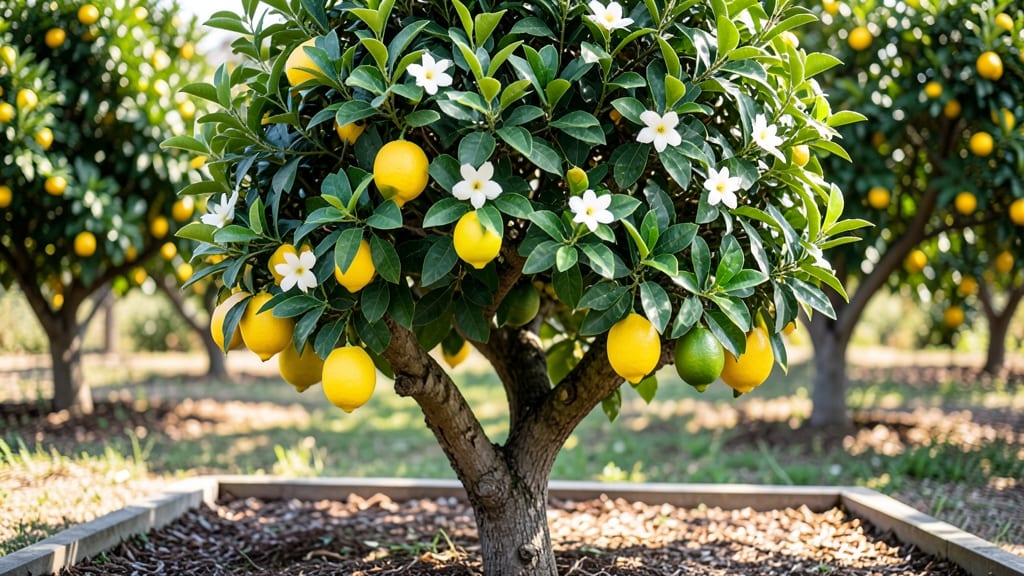
Lemon trees grow anywhere from 6 feet to towering 25 feet tall, depending on the variety and care you give them 🍋 — and that difference can change everything about where (and how) you plant one.
Picture this: a Meyer lemon dwarf variety thriving in a container on your patio, while a full-sized Eureka stretches toward your roof, needing pruning just to keep it manageable.
The choice isn’t just about space—it’s about how much fruit you’ll harvest, how easy maintenance is, and whether you can even fit the tree where you dream of planting it.
In this guide, we’ll break down the height ranges of the most popular varieties, the factors that push a tree toward the sky or keep it compact, and the simple pruning tricks to control its growth—no green thumb required.
By the end, you’ll know exactly which lemon tree fits your yard (or balcony) and how to keep it healthy, no matter how tall it gets.

Lemon tree height guide: dwarf vs. standard varieties explained
Choosing a lemon tree often comes down to one key question: how tall does a lemon tree grow? The answer depends entirely on the variety you select, as heights can range from a manageable 6 feet for dwarf types to towering 25 feet for standard varieties.
Understanding these differences helps you plan your garden layout and care approach from day one.
For home gardeners with limited space, dwarf varieties offer the perfect solution—reaching 6-10 feet at maturity while still producing abundant fruit. Meanwhile, standard lemon trees need ample room to thrive, often requiring 15-25 feet of vertical space.
The choice between these options impacts everything from pruning needs to container requirements and even winter protection strategies.
Environmental factors like climate, soil quality, and pruning techniques further influence how tall your lemon tree will grow. In warmer climates, trees tend to grow faster and reach their mature height sooner, while colder regions may see slower growth.
Proper pruning can also reduce height by up to 30% while encouraging bushier, more productive growth.
Below, I’ve broken down the height differences between dwarf, semi-dwarf, and standard lemon trees, along with growth rates and care tips to help you make an informed choice for your space.
| Variety Type | Mature Height | Growth Rate (Year 1-3) | Best For |
|---|---|---|---|
| Dwarf | 6-10 ft | 1-3 ft/year | Containers, patios, small yards |
| Semi-Dwarf | 10-15 ft | 2-4 ft/year | Medium yards, ground planting |
| Standard | 15-25 ft | 3-6 ft/year | Large properties, orchards |
If you’re growing a dwarf lemon tree, expect it to reach its mature height within 3-5 years, making it ideal for containers or small balconies. Varieties like the Meyer lemon or Improved Meyer are popular choices, often staying under 8 feet with proper pruning.
These compact trees also fruit earlier—sometimes within just 1-2 years—compared to their taller counterparts.
For those with more space, semi-dwarf varieties strike a balance, growing 10-15 feet tall while still being manageable for home gardeners. These trees typically require 5-7 years to reach maturity and thrive in both containers and in-ground plantings.
Pruning is still essential to control height and improve air circulation, reducing the risk of fungal diseases like citrus canker.
Standard lemon trees, such as the Eureka or Lisbon varieties, are the tallest options, often exceeding 20 feet in height. These trees are best suited for large properties or commercial orchards, where their full height can be accommodated.
In home gardens, they may require aggressive pruning to keep them under 15 feet, though this can reduce fruit production if not done carefully.
Your climate zone plays a significant role in how tall your lemon tree grows. In USDA Zones 9-11, where frost is rare, lemon trees grow faster and reach their mature height more quickly.
In cooler zones (Zone 8 or below), growth slows, and trees may stay smaller unless given winter protection, like moving containers indoors or using frost cloths.
Soil quality also impacts height—well-draining, slightly acidic soil (pH 6.0-7.0) promotes healthier root development, which supports taller growth. Amend heavy or clay soils with compost or sand to improve drainage. Additionally, regular fertilization with citrus-specific nutrients (like a 6-6-6 NPK blend) encourages faster growth and larger fruit yields.
Pruning is the most effective way to control lemon tree height. For dwarf varieties, I recommend light pruning in late winter or early spring to shape the tree and remove dead branches.
For taller trees, more aggressive pruning in summer (after fruiting) can reduce height by up to 30% while encouraging bushier growth. Always use sterilized pruning shears to prevent disease spread.
Whether you choose a dwarf, semi-dwarf, or standard lemon tree, understanding these height differences ensures you select the perfect variety for your space and care routine. With the right variety and proper maintenance, you’ll enjoy fresh lemons year-round—no matter how tall (or short) your tree grows! 🍋
Best dwarf lemon tree varieties for small spaces and containers
If you dream of growing lemons but lack yard space, don't worry—dwarf lemon trees are perfect for patios, balconies, and even sunny windowsills. These compact varieties reach 6-10 feet tall at maturity, making them ideal for containers and tight spaces.
With the right care, they'll produce sweet, juicy fruit just like their full-sized cousins!
Choosing the right variety depends on your climate, container size, and desired fruit characteristics. Meyer lemons are the most popular dwarf choice, while 'Ponderosa' lemons offer unique, large-fruited results. Below, I’ve curated the top dwarf lemon tree varieties that thrive in containers with proper sunlight and care.
For container growing, select a pot at least 18-24 inches wide with drainage holes. Meyer lemons are my top recommendation for beginners—they’re cold-hardy, disease-resistant, and produce sweet, hybrid fruit perfect for eating fresh or in recipes.
Place your container in full sun (6+ hours daily) and use a well-draining citrus mix to prevent root rot.
Pruning is key to maintaining compact size. Trim back overgrown branches in late winter or early spring to encourage bushier growth. Avoid heavy pruning in summer, as this can reduce fruit production. Fertilize every 4-6 weeks during growing season with a citrus-specific fertilizer to support steady growth and fruiting.
If you live in colder climates (USDA Zones 7-8), choose 'Improved Meyer'—it tolerates temperatures down to 25°F and thrives in containers you can move indoors during winter. Just ensure it gets bright light year-round to prevent legginess.
With the right variety and care, your dwarf lemon tree will reward you with homegrown lemons in just 2-3 years!
🌱