
Pruning
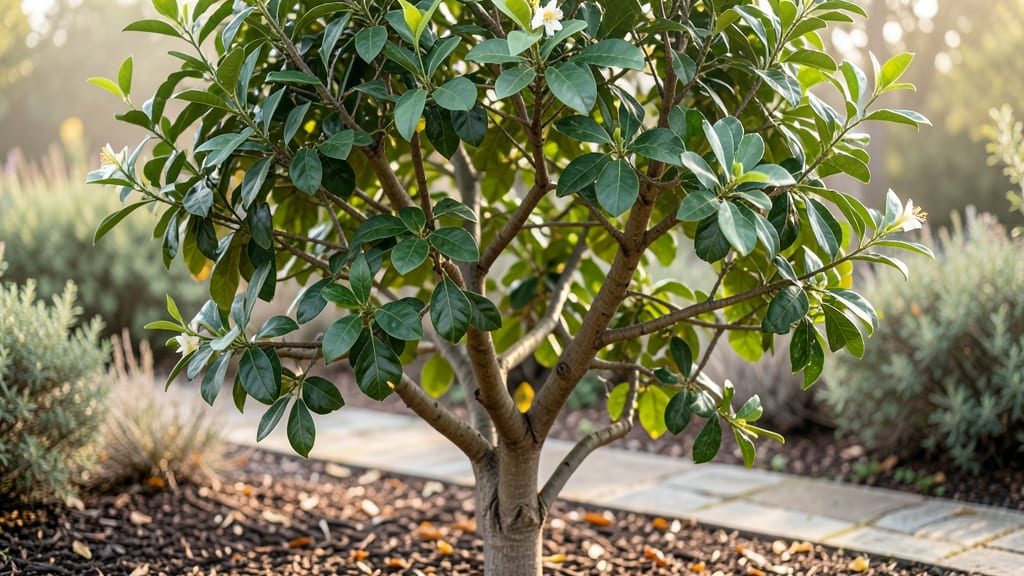
A lemon tree not fruiting despite a glorious canopy of blossoms? That’s the heartbreaking moment when you realize your citrus tree is stuck in a blooming rut—and it’s fixable.
I’ve nursed three lemon trees back from this exact spot, and the science behind it is simpler than you’d think: sunlight, water, nutrients, and a little patience work together like a recipe (but don’t call it that).
The biggest culprits are usually too much nitrogen (which fuels leaves, not fruit) or not enough potassium (the mineral that actually helps flowers turn into lemons). My first tree took two seasons to recover after I switched to a balanced citrus fertilizer—now it’s heavy with fruit every year.
Even temperature swings can trick the tree into dropping blossoms before they set fruit.
Here’s the game-changer: hand-pollinate those flowers with a soft paintbrush in the morning when bees are sluggish. Combine that with pruning to improve airflow and consistent watering (not soggy soil), and you’ll see fruit set within 6-8 weeks.
The first harvest might be small, but it’s a sign your tree is finally listening.
Works for Meyer lemons, Eureka varieties, or any citrus tree—even if it’s been stubborn for years. The key is patience and tweaking one thing at a time. Let’s get those lemons growing!
Hidden Barriers To Fruit Growth
When your lemon tree refuses to bear fruit, the culprit is often one (or more) of these overlooked factors—each rooted in science and solvable with the right tweaks.
Let’s break down the real reasons your tree is playing hard to fruit, so you can diagnose and fix the issue before the next blooming season.
Lemon trees (Citrus × limon) are self-pollinating, meaning they can produce fruit without outside help—but not always efficiently. Poor pollination is a stealthy saboteur, especially in:
- Greenhouses or indoor pots (limited airflow, no bees).
- Cold or rainy climates (bees stay away).
- Weak or sparse blooms (fewer flowers = fewer opportunities for pollination).
Why it happens:
- Bees avoid citrus flowers when temps drop below 55°F (13°C) or when humidity spikes.
- Wind isn’t enough—citrus flowers need vibration (from bees or manual help) to release pollen.
- Over-fertilizing with nitrogen (like lawn fertilizer) boosts leaves but starves flowers, reducing bloom quality.
Actionable fix:
- Hand-pollinate with a small brush or cotton swab, gently transferring pollen from one flower to another on mild, sunny days.
- Invite pollinators by planting bee-friendly flowers (like lavender, marigolds, or basil) nearby.
- Avoid heavy nitrogen post-bloom—switch to a phosphorus-rich fertilizer (like 5-10-10) to support fruit set.
Lemon trees are sun-worshippers, and light deprivation or temperature swings can halt fruit production faster than you’d think.
Why it happens:
- Less than 6–8 hours of direct sun triggers dormancy-like behavior, causing buds to drop or fail to develop.
- Extreme heat (>95°F/35°C) or cold (<40°F/4°C) shocks the tree, aborting flower formation or fruit retention.
- Indoor trees (especially near drafts or AC vents) get confused signals, thinking it’s winter and skipping fruiting.
Actionable fix:
- Move potted trees to a south-facing window or use grow lights (12+ hours/day) if indoors.
- Use shade cloth in scorching climates to prevent heat stress (but never block all sun).
- Avoid fertilizing when temps are below 60°F (15°C)—roots can’t absorb nutrients efficiently.
Water stress—whether drought or soggy roots—sends your lemon tree into survival mode, prioritizing leaves over fruit.
Why it happens:
- Underwatering causes bud drop (the tree sheds potential fruit to conserve energy).
- Overwatering leads to root rot, which blocks nutrient uptake, including calcium (critical for fruit development).
- Inconsistent moisture (like drought followed by a flood) shocks the tree, halting growth.
Actionable fix:
- Check soil moisture 2–3 inches deep—water when dry (stick your finger in; if it’s bone-dry, hydrate).
- Use drip irrigation or self-watering pots to keep moisture even.
- Mulch heavily (2–3 inches of wood chips) to retain moisture and regulate soil temp.
Fruit production is energy-intensive, and your lemon tree needs specific nutrients at the right time—or it’ll skip the whole process.
Why it happens:
- Too much nitrogen (N) = leafy monster, no fruit (think of it as a caffeine overdose—all hype, no results).
- Low phosphorus (P) = weak roots and flowers (phosphorus is the "fruit factory" nutrient).
- Calcium or boron deficiency = blossom end rot (fruit starts but drops or deforms).
Actionable fix:
- Fertilize in stages:
- Early spring (pre-bloom): Balanced 10-10-10 or citrus-specific fertilizer (higher in P).
- Post-bloom (fruit set): Calcium nitrate or Epsom salt (for magnesium) to prevent drop.
- Test your soil—if pH is below 6.0, amend with lime (citrus loves 6.0–7.0 pH).
- Avoid synthetic fertilizers in winter—the tree rests, and excess salts can burn roots.
Pruning wrong or ignoring maturity can leave your tree stuck in "vegetative mode" instead of fruiting.
Why it happens:
- Pruning at the wrong time (during bloom or fruit set) removes energy sources, causing the tree to prioritize healing over fruit.
- Young trees (<3 years old) focus on growth, not fruit—forcing them can stunt development.
- Over-pruning reduces leaf canopy, which means less photosynthesis = fewer sugars for fruit.
Actionable fix:
- Prune only in late winter/early spring (before new growth starts).
- Remove only dead/diseased wood—never cut more than 25% of the canopy in one go.
- Wait until the tree is 3–5 years old before expecting heavy fruit (patience is key!).
Next up: We’ll tackle quick fixes to coax your lemon tree into fruiting—without waiting another season!
Fix Your Lemon Tree’s Fruitless Fate
Now that you know why your lemon tree isn’t fruiting, let’s roll up our sleeves and get it back on track! 🌱🍋 The good news? Most issues are fixable with simple tweaks—whether it’s adjusting care, pruning smarter, or giving your tree the right conditions.
Below, we’ve mapped out practical, science-backed solutions tailored to each common cause, plus prevention tips to keep future harvests bountiful.
Problem: Lemon trees thrive in warm climates (60–85°F) and need 6–8+ hours of sunlight daily. Too much heat stress or insufficient light stunts flowering and fruiting.
How to Fix It:
- 🌞 Move it to sunnier spot (south-facing window or greenhouse if indoors).
- 🌡️ Protect from extreme heat (afternoon shade in hot climates; mulch roots to retain moisture).
- ❄️ Shield from cold drafts (keep indoors below 50°F or use frost cloth in winter).
Prevention:
- 🔥 Gradually acclimate young trees to outdoor conditions to avoid shock.
- 🌡️ Monitor soil temp—roots need warmth (bury a thermometer in summer to check).
Problem: Lemon trees hate soggy roots and drought—both can trigger flower drop or no blooms.
How to Fix It:
- 💧 Check soil moisture (stick your finger 2 inches deep; water when dry).
- 🌧️ Water deeply but infrequently (1–2 times/week in summer, less in winter).
- 🚰 Improve drainage (raise pots, add perlite to soil, or drill holes in containers).
Prevention:
- 💡 Use a moisture meter to avoid guesswork.
- 🌱 Mulch (2–3 inches of straw or bark) to lock in moisture.
Problem: Lack of nitrogen (N), phosphorus (P), or potassium (K)—or too much nitrogen—can halt flowering.
How to Fix It:
- 📊 Test soil pH (ideal: 6.0–7.0; adjust with lime or sulfur if needed).
- 💪 Fertilize smartly:
- Spring/Summer: High-potassium, low-nitrogen fertilizer (e.g., 5-10-10).
- Fall/Winter: Light nitrogen boost (e.g., 10-10-10) to prep for next year’s blooms.
- 🍎 Feed with compost/manure (1–2 times/year for organic matter).
Prevention:
- 🌱 Feed monthly during growing season (March–October) with citrus-specific fertilizer.
- ✨ Avoid over-fertilizing—burnt roots = fewer flowers!
Problem: Trees under 3–5 years old or heavily pruned may redirect energy to leaves instead of fruit.
How to Fix It:
- 🌿 Prune strategically (remove only dead/diseased branches; avoid cutting back more than 1/3 of the tree).
- 🍃 Encourage flowering by pruning after harvest (not in fall/winter).
- 🎯 Shape for sunlight—open the canopy to let light reach inner branches.
Prevention:
- 💡 Prune lightly in early spring to stimulate new growth and blooms.
- 🌱 Be patient—young trees may take 2–3 years to fruit after planting.
Problem: Aphids, spider mites, or fungal issues (like root rot) sap energy needed for fruit production.
How to Fix It:
- 🐜 Inspect leaves (yellowing, sticky residue = pests; black spots = fungus).
- 💦 Spray neem oil (weekly for pests; mix 1 tbsp/quart water).
- 🌱 Remove infected leaves and treat soil with copper fungicide if needed.
Prevention:
- 🔍 Monitor regularly (early detection = easier fixes).
- 🌿 Boost tree health (healthy trees resist pests better!).
Problem: Flowers falling off? Could be lack of pollination, overwatering, or temperature swings.
How to Fix It:
- 🐝 Hand-pollinate (gently shake branches or use a paintbrush to transfer pollen).
- 🌡️ Stabilize temps (avoid moving potted trees frequently).
- 💧 Reduce water if soil is soggy (let top 1–2 inches dry out).
Prevention:
- 🌱 Plant near other citrus (bees love the company!).
- 🎯 Avoid fertilizing during bloom—too much nitrogen = more leaves, fewer fruits.
Problem: Crowded roots or a pot too small = stunted growth and no energy for fruit.
How to Fix It:
- 🏺 Repot if needed (choose a container 2–4 inches larger than the root ball).
- 🌿 Use well-draining soil (citrus mix + perlite/pumice).
- 🔄 Refresh soil every 2–3 years (old soil loses nutrients).
Prevention:
- 💡 Upgrade pots gradually (too much space = water waste).
- 🌱 Prune roots if repotting (trim 1/3 of circling roots gently).
💡 Pro Tip: Keep a care journal! Track watering, fertilizing, and blooming cycles to spot patterns. A happy lemon tree is a fruitful one—so combine these fixes, stay consistent, and soon you’ll be picking your own zesty lemons! 🍋✨
Frequently asked questions
Why does my lemon tree have flowers but no fruit?
This usually means poor pollination or environmental stress. Lemon trees need either bees or gentle shaking to transfer pollen. If you're indoors or in a cold climate, try hand-pollinating with a soft paintbrush in the morning. Also check for temperature swings—citrus trees need consistent warmth (60-85°F) to set fruit after blooming.
How long should I wait before expecting lemons?
Young trees (under 3 years) may take 2-3 years to produce fruit after planting. Mature trees should fruit within 6-8 weeks after proper pollination. If you've had blooms for a year with no fruit, check your care routine—especially sunlight, water, and fertilizer balance. Patience is key, but most issues are fixable!
Can I force my lemon tree to fruit faster?
You can't rush nature, but you can optimize conditions. Focus on these quick fixes: hand-pollinate flowers, ensure 6+ hours of sunlight, use a balanced citrus fertilizer (like 5-10-10), and maintain consistent moisture. Avoid heavy nitrogen—it promotes leaves over fruit. With these adjustments, you'll typically see fruit set within 6-8 weeks of proper care.
What's the difference between blooms that will fruit and those that won't?
Fruit-bearing blooms are usually larger, thicker, and appear in clusters. Non-fruiting blooms are often smaller and single. After pollination, look for tiny green "buttons" forming—these will grow into fruit. If blooms drop within a week, your tree may need more potassium, better pollination, or stable temperatures. Pro tip: Take photos to track progress!
Is my lemon tree too old to fruit?
Not at all! While young trees focus on growth, mature lemon trees (5+ years) can produce fruit for decades. If your older tree isn't fruiting, check for root-bound conditions (repot if needed), pest issues, or nutrient deficiencies. Sometimes trees need a "reset"—prune lightly in late winter and fertilize with phosphorus-rich food to encourage blooming.