
Pests
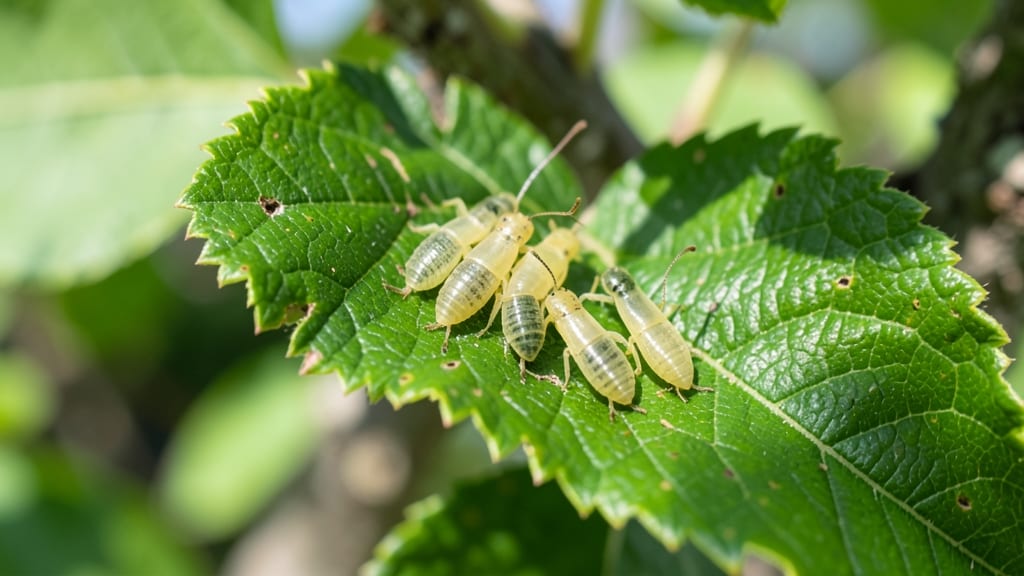
Spotting insects on an apple tree leaves can turn a promising harvest into a nightmare—unless you act fast. 🌿 I’ve watched aphid colonies explode from a few specks to a sticky mess in just two weeks, and the key to saving your tree lies in early detection and smart responses.
This guide covers the most common troublemakers, what they leave behind, and how to kick them out without harming your fruit or the planet.
The damage starts small—chewed edges, yellowing spots, or a fine webbing—but if you wait too long, those insects will suck the life out of your tree’s leaves and fruit. The good news?
Most problems have simple, organic fixes: a blast of water for aphids, neem oil for mites, or even introducing ladybugs to do the dirty work for you. I’ve used all three methods, and they work—if you catch the issue early.
By the end, you’ll know exactly which pests are attacking, how to identify their damage, and the best way to respond without chemicals. Your tree will bounce back stronger, and next year’s apples will be sweeter than ever.
The secret? Staying one step ahead of the bugs before they become a full-blown invasion.
Whether you’re dealing with caterpillars, mites, or something else entirely, this approach works for any fruit tree—not just apples. Let’s get your orchard back on track without the harsh stuff.
Root Causes Behind Leaf Invaders
When you spot tiny critters nibbling on your apple tree leaves, it’s rarely random—these pests are drawn by specific conditions that make your tree a prime buffet. Understanding why they’re there is the first step to kicking them out for good.
Below, we break down the science behind their uninvited visits, so you can address the real issues (not just the symptoms).
Apple trees thrive on balance, but when branches grow too densely, poor air circulation and high humidity create the perfect storm for pests. Here’s why:
- Shady, damp conditions: Thick foliage traps moisture, giving insects like aphids and mite colonies a humid playground. These pests love moisture—it keeps their eggs from drying out and speeds up their life cycles. 🌡️
- Food abundance: Overcrowded trees produce more tender, nutrient-rich leaves, which are like all-you-can-eat buffets for caterpillars and leafhoppers. A single codling moth caterpillar can devour an entire leaf in days! 🍃
- Natural defenses weaken: Stressed trees (from poor airflow) can’t produce enough secondary metabolites (like tannins) to deter pests. It’s like your immune system crashing when you’re run down.
Actionable fix: Prune 30% of the tree’s oldest branches in late winter to improve airflow. Aim for an open-center canopy—think of it like giving your tree a spa day to breathe easier. ✂️
An apple tree with low nitrogen (N), phosphorus (P), or potassium (K) isn’t just yellowing—it’s sending out a distress signal that pests can’t resist. Here’s the breakdown:
| Deficiency | Pest Attraction Reason | Visual Clues on Leaves |
|---|---|---|
| Nitrogen (N) | Weak leaves = easy meals for leaf miners and scale insects, which target stressed tissue. | Pale green or yellow leaves (starting at tips). |
| Phosphorus (P) | Slow growth = pests like borers (e.g., peach tree borer) can’t outrun the tree’s defenses. | Dark green leaves with purplish stems or undersides. |
| Potassium (K) | Low K = weak cell walls, making leaves crispy and vulnerable to chewing insects (e.g., apple maggot flies). | Brown scorched edges or yellowing between veins. |
Actionable fix: Test your soil (DIY kits cost ~$20) and amend with:
- For N deficiency: Composted manure or blood meal (high in N).
- For P deficiency: Bone meal (slow-release P).
- For K deficiency: Greensand or wood ash (use sparingly—too much raises pH).
Pro tip: Mulch with wood chips (2–4 inches deep) to slowly release nutrients and retain moisture—pests hate competition for resources! 🌿
If your apple tree has recently faced drought, frost damage, or disease, it’s in survival mode—and pests know it. Here’s how stress opens the door:
- Drought stress: Trees conserve water by reducing sap flow, which makes leaves drier and more brittle—perfect for spider mites (they thrive in drought conditions). 🌞💦
- Frost damage: Cold snaps rupture leaf cells, creating entry points for fire blight bacteria (which attracts fruit flies drawn to rotting tissue). ❄️🔥
- Fungal infections (e.g., apple scab): Fungi weaken leaf structure, making them easier targets for leaf-rolling caterpillars (like tufted apple bud moth larvae).
Actionable fix:
- 💡 Water deeply (1–2 inches per week) during dry spells to flush out pests hiding in dry soil.
- 🌡️ Monitor frost-prone areas: Use row covers in late spring to protect new growth.
- ✨ Prevent fungal spread: Apply baking soda spray (1 tbsp baking soda + 1 tsp oil + 1 gallon water) every 2 weeks to strengthen leaf cuticles.
Your apple tree isn’t an island—it’s part of a local ecosystem, and when you disrupt its natural balance, pests move in. Common culprits:
- Monoculture gardens: Planting only apple trees (or other Rosaceae family plants like cherries/pears) creates a pest superhighway. Insects like woolly aphids specialize in these hosts and hitchhike between trees. 🚦
- Lack of predator plants: Pests like ladybugs and lacewings need alternative food sources (e.g., dill, fennel, or yarrow). Without them, your tree becomes a pest buffet with no natural bouncers.
- Weeds acting as pest hotels: Grassy weeds (like crabgrass) and nettles harbor alternate host plants for pests like apple leafcurling midge. They overwinter in weeds before migrating to your tree. 🏨
Actionable fix:
- 🌿 Add biodiversity: Plant companion plants like chives, garlic, or thyme (they repel pests naturally).
- 🔪 Remove weeds within a 10-foot radius of your tree—especially dandelions and clover (they’re pest magnets).
- 🐞 Install a "bug hotel": Leave a patch of untidy leaves or a small brush pile in a corner of your yard to attract beneficial insects.
- Water spray trick: On a sunny day (so leaves dry fast), hose down the tree with a strong stream to dislodge aphids.
- Ladybugs & lacewings: Buy eggs or adults online (or attract them with dill or fennel plants nearby).
- Predatory mites: Release them if spider mites are the issue (available at garden centers).
- Sticky traps (yellow cards) can catch migrating aphids. Hang them 1–2 feet above the tree in early spring.
- Morning raids: Wear gloves, shake leaves over a bucket of soapy water to drown larvae.
- Bt (Bacillus thuringiensis): A bacteria-based spray safe for bees and humans. Mix as directed and spray at dusk (avoids harming pollinators).
- Spinosad: Derived from soil bacteria, effective against caterpillars. Reapply after rain.
- Prune & dispose: Remove heavily damaged leaves in a sealed bag. Do not compost—pests will survive!
- Apple maggots:
- Red spherical traps: Hang yellow sticky traps near the tree in late spring to catch adults before they lay eggs.
- Row covers: Use fine mesh netting over young trees to block adults (remove before flowering).
- Leafhoppers:
- Reflective mulch: Cover the base with aluminum foil or silver plastic to disorient them.
- Compost tea: Strengthen roots with a weekly foliar spray of compost tea (reduces stress = fewer pests).
- Kaolin clay: Mix 2 tbsp kaolin clay + 1 gallon water, spray on leaves to repel adults.
- Monitor fruit: Check for tiny holes in apples—remove and compost far from the tree to break the life cycle.
Quick Fixes for Common Apple Tree Pests
Now that you’ve identified the culprits gnawing on your apple tree leaves—whether it’s aphids, mites, caterpillars, or sawflies—it’s time to act! The good news? Most insect problems on apple trees can be managed organically with targeted, eco-friendly solutions.
Below, we’ve mapped out practical fixes for each pest, ranked from mild to severe cases, plus prevention tips to keep your tree thriving long-term.
**🚨 Signs: Sticky residue (honeydew), curled leaves, webbing (mites), or clusters of tiny green/black bugs.*
🍳 Step 1: Blast Them Off (Physical Removal)
Repeat every 3–5 days for 2 weeks. - Neem oil spray: Mix 1 tbsp neem oil + 1 tsp mild soap + 1 quart water. Spray under leaves (where pests hide) and repeat weekly until gone.
👨🍳 Step 2: Introduce Beneficial Predators
💡 Pro Tip:
**🚨 Signs: Ragged holes, chewed edges, or "tent-like" webs (tent caterpillars).*
⏰ Step 1: Handpick & Drop (Best for Small Infestations)
Focus on new growth (their favorite snack). - Burlap bags: For sawflies, wrap infested branches in burlap and burn or bury the bags (check local rules first).
🔪 Step 2: Organic Sprays (For Heavy Damage)
🌡️ Pro Tip:
**🚨 Signs: Tiny white larvae in fruit (maggots), hopping bugs on undersides of leaves (leafhoppers), or stippled yellowing (hopperburn).*
🎯 Step 1: Trap & Remove
✨ Step 2: Soil & Tree Health Boost
💡 Pro Tip:
Once your tree is pest-free, lock it down with these habits:
| Prevention Tip | How to Do It |
|---|---|
| 🌿 Healthy soil | Test soil pH (aim for 6.0–7.0). Add compost annually to boost immunity. |
| 🍂 Clean up | Rake and remove fallen leaves in autumn (pests overwinter there!). |
| 🐝 Pollinator-friendly | Plant dill, yarrow, or marigolds nearby to attract ladybugs & lacewings. |
| 🌡️ Timely pruning | Thin branches for better airflow (reduces humidity = fewer mites). |
| 📅 Early scouting | Inspect leaves weekly in spring/summer—catch pests before they explode! |
**🚨 When to Call a Pro: If you’ve tried everything and pests keep returning, consult a local organic arborist. Some infestations (like codling moths) may need professional Bt applications or pheromone traps for control.
🎉 Remember: Most pests are easy to beat with patience and prevention. A healthy tree is your best defense—so feed it right, water wisely, and stay vigilant**! 🍏🌿
Frequently asked questions
What are the most common insects found on apple tree leaves?
The usual troublemakers include aphids (tiny green/black clusters), spider mites (tiny yellow specks with webbing), leafrollers (folded leaves with caterpillars inside), and apple maggot flies (white larvae in fruit). Early spring often brings tufted apple bud moths, while summer attracts leafhoppers and tent caterpillars.
How do I know if the damage is from insects or disease?
Insect damage usually shows as holes, chewed edges, or sticky residue (honeydew from aphids). Disease symptoms include yellow spots, powdery mildew, or black fungal growth without visible insects. Check leaf undersides for tiny eggs or webbing—if you see those, it's pests. Diseases often appear as uniform patterns across leaves.
Can I use neem oil on my apple tree when fruit is present?
Yes, but with caution! Neem oil is safe for fruit-bearing trees when used correctly. Apply it early in the morning or late evening to avoid harming pollinators, and harvest within 7 days of application. Always mix it with a drop of mild soap to help it stick to leaves.
Why do I keep getting infestations even after treating them?
Pests often return because their life cycle continues in untreated areas. Focus on removing fallen leaves (where eggs overwinter), pruning for airflow (reduces humidity), and adding companion plants (like garlic or thyme) to disrupt their habitat. Repeat treatments every 7–10 days until the tree blooms.
Are there any natural predators I can introduce to my orchard?
Ladybugs and lacewings love aphids, while parasitic wasps target caterpillars. Plant dill, fennel, or yarrow nearby to attract these helpers. You can also buy beneficial nematodes for soil-dwelling pests like grubs. Just release them in the evening when temperatures are cooler.