
Light Requirements
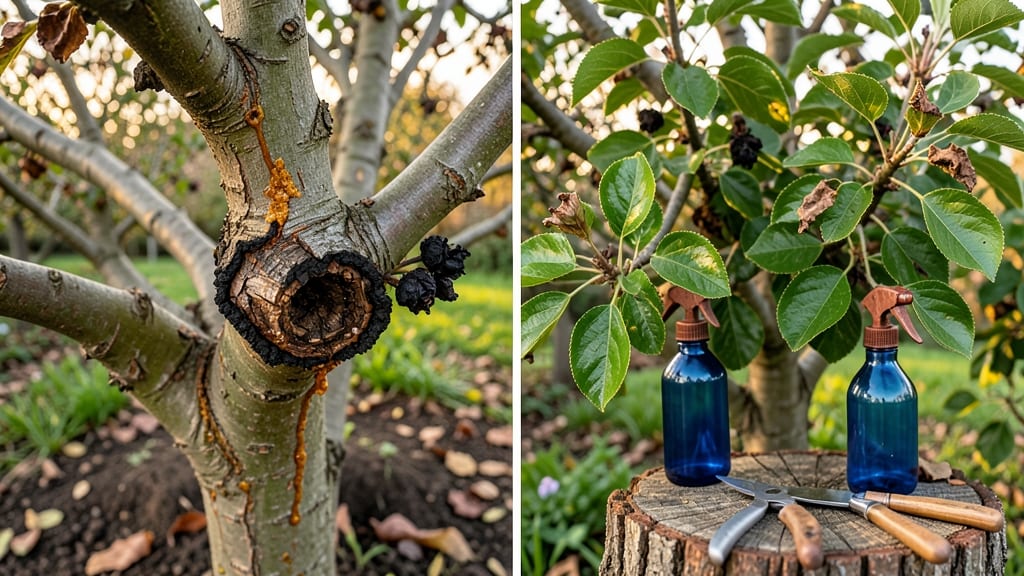
Fungal spots on your fruit tree leaves mean it's time for copper spray. 🌿 I've battled blight on my apple and peach trees, and this one treatment saved them—when applied at the right time, it stops the spread before it ruins your harvest.
The black or brown spots you're seeing? That's fungal blight, thriving in wet weather and crowded branches. Copper spray disrupts the fungus's cell walls, and when used early, it prevents the disease from moving into fruit or killing branches.
The key is timing: apply it before buds swell in spring, then again after harvest. You'll see new growth emerge free of spots within 2-3 weeks of treatment. The trees stay healthier, produce more fruit, and resist future infections better.
Plus, copper is safe for bees once it dries—just avoid spraying when they're actively pollinating. Works for apple, peach, cherry, and citrus trees. Here's how to do it right—no more blight ruining your harvest.
Understanding The Root Causes
Fruit tree blight isn’t just a random nuisance—it’s often the result of specific environmental, biological, or human factors that create the perfect storm for fungal or bacterial infections. Understanding these causes is the first step to preventing them.
Below, we break down the key triggers behind blight outbreaks in fruit trees, so you can address them before they strike.
---
Blight in fruit trees is most commonly caused by fungal pathogens that thrive in damp, warm conditions. These microscopic invaders—like Venturia inaequalis (apple scab) or Monilinia fructicola (brown rot)—spread through spores that latch onto leaves, fruit, or bark.
- How it happens: Fungal spores overwinter in fallen leaves, infected plant debris, or even on tree bark.
When conditions are right (moisture + warmth), they germinate and infect healthy tissue. - Key triggers: - Prolonged leaf wetness (more than 9–12 hours) from rain, dew, or overhead watering. - Poor air circulation in dense canopies or crowded orchards. - Warm, humid climates (ideal for spore germination and growth).
💡 Pro Tip: Prune trees to improve airflow and remove infected branches immediately to limit spore spread.
---
While fungi are the usual culprits, bacterial blights (like Erwinia amylovora, which causes fire blight) can also devastate fruit trees. These bacteria enter through open wounds, such as: - Pruning cuts - Storm damage - Insect bites or hail injuries
- How it happens: Bacteria multiply rapidly in moist conditions, oozing out as a glossy, amber-colored ooze (a classic sign of fire blight).
They then spread to nearby branches or fruit. - Key triggers: - Recent pruning or injury (bacteria seize the opportunity). - Spring blooms (when trees are vulnerable and bacteria are active). - Overhead irrigation (splashes bacteria onto wounds).
✨ Prevention Hack: Sterilize pruning tools with rubbing alcohol between cuts to avoid cross-contamination.
---
Fruit trees under stress—whether from drought, nutrient deficiencies, or extreme weather—become prime targets for blight. A weakened tree has fewer resources to fight off infections.
- How it happens: Stress disrupts the tree’s natural cuticle layer (its protective skin), making it easier for pathogens to penetrate. - Key triggers: - Drought or overwatering (both throw off nutrient balance). - Poor soil health (lack of nitrogen, phosphorus, or potassium). - Sudden temperature swings (e.g., late spring frosts damaging blossoms).
🌡️ Growth Tip: Mulch around the base of trees to retain moisture and regulate soil temperature, reducing stress.
--- Sometimes, well-intentioned gardening habits end up fueling blight outbreaks. Here’s how:
- Overhead watering (splashes spores onto leaves/fruit). - Ignoring fallen leaves/debris (fungal spores hibernate here). - Planting susceptible varieties in high-risk climates without prevention.
🔥 Action Step: Water at the base of trees in the morning (not at night) to allow foliage to dry quickly—this cuts down on fungal growth.
--- Blight doesn’t strike randomly—it’s often tied to seasonal patterns and microclimates.
- Spring blooms = Peak risk for fire blight (bacteria love fresh flowers). - Summer humidity = Ideal for fungal spores to thrive. - Fall leaf drop = Spores hitchhike on debris for next year’s infection.
📊 Data Point: Regions with high rainfall and mild winters (like the Pacific Northwest) see more frequent blight outbreaks than arid areas.
--- Blight thrives where moisture, wounds, stress, and pathogens collide. By identifying these triggers—whether it’s fungal spores, bacterial invaders, environmental stress, or gardening habits—you can proactively disrupt the cycle before it starts.
The next section will cover how copper sprays and other treatments can help stop blight in its tracks.
Quick Fixes for Sick Fruit Trees
Fungal blight doesn’t have to mean the end of your fruit tree’s life—with the right approach, you can revive its health and prevent future outbreaks. Below are practical, step-by-step solutions tailored to the most common causes of blight, from fungal infections to environmental stress.
Whether your tree is showing black spots, wilting leaves, or stunted growth, these fixes will help you turn things around fast.
---
If your tree is battling fungal blight (like brown rot, anthracnose, or scab), copper-based treatments are your best defense. Fungi thrive in damp conditions, so early action is key.
#### 🍳 Step 1: Remove Infected Parts - Prune away dead, discolored, or spotted leaves, branches, and fruit. - Dispose of infected debris in the trash (not compost)—fungal spores can survive in soil. - Sterilize pruners with rubbing alcohol or a 10% bleach solution between cuts.
#### 👨🍳 Step 2: Apply Copper Fungicide - Best time to spray: Early morning or late evening when humidity is high (fungi love moisture!). - DIY copper spray recipe: - Mix 1 tbsp copper sulfate (or a pre-made copper fungicide like Bordeaux mixture) with 1 gallon of water. - Add a dish soap drop to help it stick to leaves. - Spray thoroughly, covering both sides of leaves and the tree trunk. - Reapply every 7–14 days (or after rain) until the blight clears.
#### 🌡️ Step 3: Improve Airflow & Reduce Moisture - Thin out dense branches to allow sunlight and air to circulate. - Water at the base (not overhead) to keep leaves dry. - Avoid overhead irrigation—drip systems or soaker hoses work best.
--- If blight is linked to poor growing conditions (like overwatering, nutrient deficiency, or sunburn), tweaking your tree’s environment can make a big difference.
#### 📊 Fix Overwatering or Poor Drainage - Check soil moisture—stick your finger 2 inches deep; water only if it’s dry. - Amend heavy clay soil with compost or perlite to improve drainage. - Mulch around the base (but keep it 2–3 inches away from the trunk) to retain moisture without suffocating roots.
#### 💪 Boost Tree Health with Nutrients - Fertilize in early spring with a balanced fruit-tree fertilizer (look for NPK ratios like 10-10-10). - Add compost around the root zone for slow-release nutrients. - Watch for signs of deficiency (yellow leaves = nitrogen; purple stems = phosphorus).
#### ☀️ Protect from Sunburn or Frost - Young or thin-barked trees need shade cloth in hot afternoons to prevent sunscald. - Wrap the trunk with tree guard (available at garden centers) in winter to shield from frost cracks.
--- Once your tree recovers, proactive care will help prevent future outbreaks.
#### ✨ Year-Round Maintenance Checklist | Season | Task | |------------------|--------------------------------------------------------------------------| | Early Spring | Prune dead wood, apply copper fungicide as a preventive spray. | | Summer | Monitor for early signs of blight; water deeply but less frequently. | | Fall | Rake up fallen leaves (fungi love hiding in them!). | | Winter | Disinfect tools before storing; remove mummy fruit (dried, infected fruit). |
#### 🔥 Pro Tips for Long-Term Defense - Plant resistant varieties (e.g., Liberty apples for fire blight resistance). - Rotate fungicides if you use chemical sprays to avoid resistance. - Encourage beneficial insects (like ladybugs) by planting companion flowers (marigolds, alyssum).
--- By acting fast and adjusting care habits, you can save your fruit tree and enjoy a healthy harvest for years. 🍏🍊 The key? Stay vigilant, keep conditions optimal, and don’t let blight take root!
Frequently asked questions
What are the first signs of blight on my fruit tree?
Look for dark brown or black spots on leaves, often with yellow halos around them. On fruit, you might see sunken, rotting patches or a fuzzy growth. For bacterial blight (like fire blight), check for glossy, amber-colored ooze on branches or fruit—this is a classic sign that needs immediate action.
Can I use copper spray on all fruit trees?
Yes, copper fungicides are safe for most fruit trees, including apple, peach, cherry, and citrus. However, avoid spraying when bees are actively pollinating (early morning or late evening is best). Always follow label instructions for concentration—too much can damage leaves. Organic options like copper sulfate or Bordeaux mixture work well.
How often should I apply copper spray for prevention?
Apply copper spray 3-4 times per season: once before buds swell in early spring, again after harvest, and every 7-14 days during wet or humid periods. This creates a protective barrier that disrupts fungal spores before they take hold. Stop spraying 2-3 weeks before harvest to avoid residue on fruit.
What should I do if my tree has fire blight?
Fire blight is aggressive—act fast! First, prune out infected branches at least 6-8 inches below the visible damage (bacteria spread invisibly). Then sterilize tools with rubbing alcohol. Follow up with a copper fungicide and consider adding bacterial blight spray (like streptomycin) if available. Remove all infected fruit and debris immediately.
Will removing fallen leaves really help prevent blight?
Fungal spores overwinter in fallen leaves, so raking them up in fall breaks the infection cycle. Even just shredding and composting (not piling near trees) reduces spore survival. For bacterial blight, dispose of infected leaves in the trash—not compost—to prevent reinfection next season.