
How To
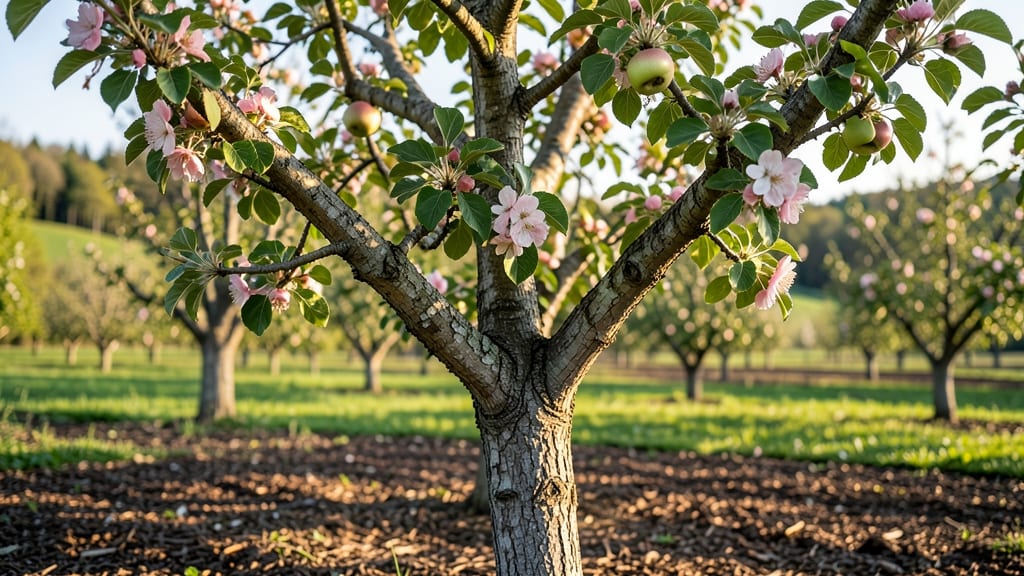
Apple trees can grow anywhere from 6 feet to over 40 feet tall, depending on the variety and how you care for them.
Watching an apple tree reach towering heights can be both awe-inspiring and intimidating—especially when you're deciding where to plant it. But did you know some varieties grow over 40 feet tall while others stay compact enough for a backyard?
The height of your 🍎 depends on genetics, care, and a few pruning secrets most gardeners overlook. Dwarf varieties stay small, while standard trees can tower like a two-story house, and even giant varieties exist for orchards.
In this guide, I’ll break down the height ranges by variety, share pruning techniques to control growth, and help you pick the perfect tree for your space.

Apple tree height by variety: dwarf to standard to giant sizes explained
Choosing an apple tree variety isn't just about flavor—it's about understanding height limitations. Some apple trees stay small enough for a suburban yard, while others become towering giants that require acres. The key difference lies in the rootstock used during propagation, which determines the tree's natural growth potential.
Whether you're dreaming of a 6-foot dwarf or a 40-foot standard, knowing these categories will help you pick the perfect fit for your space.
Dwarf apple trees are the backyard gardener's best friend, typically reaching 6-12 feet at maturity. These compact varieties are perfect for containers, small gardens, or even urban balconies. Semi-dwarf trees strike a balance, growing 12-20 feet tall, making them ideal for medium-sized yards.
Standard trees, on the other hand, can soar 20-40 feet, while rare giant varieties exceed 40 feet. The right choice depends on your available space, sunlight, and long-term care commitment.
One of the most popular dwarf apple varieties is the 'Gala', which typically stays under 8 feet tall when grown on M.9 rootstock. This makes it perfect for homeowners with limited space who still want a productive tree.
Similarly, 'Red Delicious' dwarf varieties thrive in containers, producing sweet fruit without overwhelming your garden. For semi-dwarf options, 'Granny Smith' is a fan favorite, reaching 15-18 feet and offering tart, crisp apples perfect for baking or snacking.
If you're considering a standard apple tree, be prepared for a long-term commitment. Varieties like 'Arkansas Black' can grow 30-40 feet tall, requiring regular pruning and ample space. These trees are often found in commercial orchards or rural properties where their full height can be accommodated.
Giant varieties, while rare in home gardens, can exceed 50 feet in ideal conditions, making them more suited for heritage orchards or agricultural settings.
Don't let the height categories fool you—even dwarf trees need proper care to reach their potential. Factors like sunlight exposure, soil quality, and watering consistency play a huge role in determining how tall your apple tree will grow.
For example, a 'Fuji' dwarf tree grown in partial shade may stay shorter than one planted in full sun. Always check the specific rootstock recommendations for your chosen variety to avoid surprises down the road.
For gardeners with limited space, consider columnar apple trees, which grow vertically like a shrub and rarely exceed 8 feet in height. These unique varieties are perfect for narrow gardens or even large planters.
Another option is espaliered apple trees, which can be trained to grow flat against a fence or wall, saving space while still producing abundant fruit. Both methods allow you to enjoy apples without sacrificing valuable yard space.
When selecting an apple tree, also consider its fruit-bearing habits. Dwarf and semi-dwarf trees often produce fruit earlier than standard varieties, sometimes within 2-3 years of planting. This makes them ideal for impatient gardeners eager to harvest their own apples.
Standard trees, however, may take 5-7 years to bear fruit but can live for decades, making them a long-term investment for serious orchardists.
If you're unsure which size is right for you, start with a semi-dwarf variety. These trees offer a compromise between size and productivity, making them versatile for most home gardens.
Popular choices like 'Honeycrisp' or 'Pink Lady' provide excellent flavor while staying manageable. Always research the rootstock used—some nurseries sell "dwarf" trees on semi-dwarf rootstock, which can lead to unexpected growth patterns.
Remember, the height of your apple
Pruning secrets to control apple tree height: when, how, and what to cut
Controlling your apple tree's height starts with understanding pruning techniques that shape growth while keeping the tree healthy. Most gardeners focus on removing dead branches, but strategic cuts can limit vertical growth by up to 50% over time.
The key lies in heading cuts, thinning cuts, and timing—all of which redirect energy toward fruit production instead of height.
Before you grab your pruners, know that dormant season pruning (late winter or early spring) is ideal for major height control. This is when your tree’s energy reserves are lowest, making it easier to shape without stress.
Summer pruning, on the other hand, helps manage suckers and water sprouts—fast-growing vertical shoots that can shoot up overnight if left unchecked.
Step-by-step pruning guide to control apple tree height:
Look for suckers (shoots from the base) and water sprouts (vertical shoots). These are prime candidates for removal to curb height.
Cut just above a bud or lateral branch (never at a joint). Aim for a 45-degree angle to prevent water from pooling.
Remove 1 in 3 branches to improve airflow and sunlight penetration. Focus on crossing or rubbing branches first.
Encourage a central leader (main trunk) or open-center shape by cutting back competing leaders to a strong lateral branch.
Pinch back new shoots in summer to redirect energy to fruit production. Use clean, sharp pruners to avoid tearing bark.
Timing is everything—prune dormant trees in late winter (before buds swell) or early spring. Avoid heavy pruning in fall or winter, as this can leave wounds vulnerable to disease. For summer pruning, focus on removing suckers and water sprouts to keep the tree compact.
Common mistakes include over-pruning (never remove more than 25% of the canopy at once) or cutting too close to the trunk, which can damage the tree’s vascular system.
Always use sterilized tools to prevent bacterial or fungal infections. With patience and precision, you can keep your apple tree at your desired height while maximizing fruit yield.
Remember, consistency is key. Regular pruning sessions—twice a year—will give you the most control over your tree’s height and shape. Happy pruning! ✂️🌳